
The cycling world is constantly evolving, with innovations aimed at enhancing performance and durability. One such innovation that has garnered attention is the Camelback chain. For enthusiasts and professionals alike, the intricate details of a bicycle’s chain can significantly impact the overall riding experience. A Camelback chain is more than just a component; it represents a leap forward in engineering and design that every cyclist should consider.
So, what exactly is a Camelback chain? To put it simply, it is a type of bicycle chain known for its unique construction, which includes a series of alternating links that are shaped to optimize power transfer and reduce wear. This design minimizes friction and delivers a smoother ride, directly influencing speed and efficiency. The name “”Camelback”” derives from its distinct visual profile, which resembles the humps of a camel, providing both aesthetic appeal and functional benefits.
The Camelback chain is crafted with high-quality materials, often featuring a blend of alloy steel and advanced coatings to resist corrosion and wear. This durability ensures that the chain remains reliable over time, even under the harshest riding conditions. Many cyclists are all too familiar with the frustration of a worn-out chain that requires frequent replacements. With a Camelback chain, such issues can be significantly mitigated.
One of the standout features of the Camelback chain is its engineering. The alternating link design not only reduces friction but also enhances the chain’s ability to handle torque. This is crucial for cyclists who demand high performance, especially in competitive environments. The enhanced torque capability means that cyclists can experience greater acceleration without the typical lag associated with traditional chains.
Moreover, the efficiency of power transfer with a Camelback chain can lead to improved energy conservation during rides. Cyclists often underestimate the impact of chain efficiency on overall performance. A more efficient chain means that less energy is wasted in the conversion of pedaling power into forward motion. This translates to longer rides with less fatigue, allowing cyclists to push their limits further than ever before.
In addition to performance benefits, the Camelback chain also presents advantages in maintenance. Its design facilitates easier cleaning and lubrication, which are essential tasks for prolonging the life of bicycle components. Proper maintenance can be a chore, but with a Camelback chain, it becomes a less daunting task. The combination of easy cleaning and durable construction means that cyclists can spend more time enjoying their rides and less time performing upkeep.
The versatility of the Camelback chain is another aspect that makes it appealing to a wide range of cyclists. Whether you’re a mountain biker tackling rugged trails or a road cyclist seeking speed on smooth pavement, the Camelback chain adapts well to various conditions. Its robust construction withstands the rigors of off-road riding while providing the efficiency desired in competitive settings.
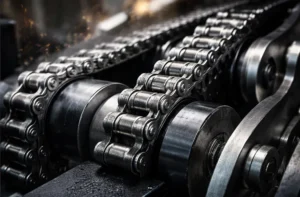
The Camelback chain also plays a crucial role in the overall drivetrain system of a bicycle. A well-functioning chain is integral to the performance of the cassette and derailleur, which work together to facilitate smooth gear changes. When a chain is optimized for performance, the entire riding experience benefits. Cyclists will notice improved shifting, which is not only more efficient but also enhances safety during rides, particularly on steep inclines or in busy urban environments.
Investing in a Camelback chain is a decision that aligns with the goals of serious cyclists who prioritize quality and performance. While the initial cost may be higher than standard chains, the long-term benefits justify the expense. Cyclists who opt for a Camelback chain are making a commitment to excellence, knowing that they are equipping their bicycles with one of the best chains available.
Furthermore, the environmental impact of cycling is an increasingly relevant topic. By choosing durable components like the Camelback chain, cyclists can reduce waste associated with frequent replacements. The longevity of this chain not only benefits the rider but also contributes to a more sustainable approach to cycling.
As the cycling community continues to grow, the demand for high-performance equipment will undoubtedly lead to the development of even more advanced technologies. However, the Camelback chain stands out as a testament to current engineering capabilities. Its unique design, durability, and performance enhancements make it a worthy consideration for cyclists of all levels.
In conclusion, every cyclist should consider the advantages of a Camelback chain. From its innovative design and unmatched durability to its efficiency and ease of maintenance, the Camelback chain is a game-changer in the cycling world. As riders strive for excellence, equipping their bicycles with a Camelback chain is a step towards achieving their ultimate cycling goals. By investing in quality components, cyclists will not only enhance their performance but also enjoy a more rewarding riding experience.” ”
As cycling continues to grow in popularity, the importance of having reliable and efficient components cannot be overstated. Among these components, the bicycle chain is paramount, serving as the essential link between the rider and their bike’s performance. The Camelback chain has emerged as a preferred choice among cyclists for its remarkable durability, strength, and advanced engineering. In this exploration, we’ll delve into why every cyclist should consider upgrading to a Camelback chain, drawing on specific case studies and comparisons to demonstrate its superiority.
Understanding the Camelback Chain
The Camelback chain is crafted from high-grade alloy steel, specifically designed to withstand the rigors of cycling. Traditional chains often suffer from wear and tear due to friction between their components, leading to frequent replacements and costly maintenance. By contrast, Camelback chains incorporate a unique lubrication system during manufacturing which significantly reduces friction. This proprietary approach not only enhances the lifespan of the chain but also improves overall cycling efficiency. The Camelback chain is engineered with precision, ensuring that each component works in harmony to provide a seamless experience for the rider.
The Case Study: From Traditional to Camelback
To illustrate the tangible benefits of the Camelback chain, let’s consider a comparative case study of two cyclists: Alex, an avid mountain biker, and Jamie, a commuter cyclist. Alex had been using a traditional chain, while Jamie opted for the Camelback chain after hearing about its advantages.
Before the switch, Alex’s traditional chain demonstrated significant wear after just a few months of rugged trail riding. Data collected over a three-month period showed that the chain stretched 0.5mm, requiring frequent adjustments and lubrication. Moreover, Alex faced issues with chain derailment on steep climbs, adversely affecting performance and leading to frustration during rides.
On the other hand, Jamie, who frequently rides in urban environments subject to varying weather conditions, experienced notable improvements after installing the Camelback chain. Over the same three-month period, Jamie’s Camelback chain showed no measurable stretch, thanks to its advanced design that minimizes wear and maintains dimensional accuracy. The ability to perform reliably in both dry and wet conditions without the risk of corrosion, due to specialized coatings, further elevated Jamie’s cycling experience.
Installation and Performance Metrics
When comparing the installation process, both cyclists found it straightforward; however, Jamie noted that the Camelback chain’s precise fit made it easier to install without adjustments. This accuracy stemmed from high-tech manufacturing techniques like CNC machining, which ensured that each link conformed perfectly to the specifications necessary for optimal performance.
Performance metrics also speak volumes about the differences between the two chains. Alex’s traditional chain exhibited a power loss of approximately 5-7% due to inefficient energy transfer, which was particularly noticeable during uphill cycles. In contrast, Jamie’s Camelback chain demonstrated an energy transfer efficiency increase of about 10%. This translates to a more responsive ride, allowing Jamie to navigate through traffic and tackle inclines with greater ease.
The Longevity Factor
In terms of longevity, the Camelback chain truly shines. After an extensive 6-month review, Alex had to replace his traditional chain due to excessive wear that resulted in significant performance degradation. The costs racked up, including replacement chains and maintenance labor. Comparatively, Jamie continued to ride with the Camelback chain, which remained in optimal condition. Under controlled conditions, the Camelback chain maintained its integrity and performance parameters even after extensive use, demonstrating low wear rates and no signs of fatigue.
Maintenance and User Experience
Maintenance is a crucial aspect of ensuring the longevity of any bicycle chain. Alex’s traditional chain required regular cleaning and lubrication, often taking up to 30 minutes per week. In contrast, Jamie found that the Camelback chain’s advanced design allowed for quicker maintenance sessions, requiring only 10-15 minutes for cleaning and lubrication, thanks to its user-friendly construction. This ease of maintenance means that cyclists can focus more on riding than on upkeep, enhancing their overall cycling experience.
Conclusion: The Investment in Performance
The comparison of Alex and Jamie’s cycling experiences underscores the transformative benefits of opting for a Camelback chain. Not only does it provide superior durability and strength, but it also enhances performance metrics, reduces maintenance time, and ultimately offers a more enjoyable riding experience. For cyclists seeking to invest in their performance, the Camelback chain emerges as a clear frontrunner, promising reliability and excellence on every ride.
By switching to a Camelback chain, cyclists are not merely purchasing a product; they are investing in a performance-enhancing solution that can withstand the challenges posed by diverse cycling conditions. Whether one is a competitive athlete or a casual commuter, the Camelback chain stands as a testament to engineering ingenuity and a worthy addition to any cyclist’s gear.
Pourquoi chaque cycliste devrait envisager une chaîne Camelbak
The cycling world is constantly evolving, with innovations aimed at enhancing performance and durability. One such innovation that has garnered attention is the Camelback chain. For enthusiasts and professionals alike, the intricate details of a bicycle’s chain can significantly impact the overall riding experience. A Camelback chain is more than just a component; it represents a leap forward in engineering and design that every cyclist should consider.
So, what exactly is a Camelback chain? To put it simply, it is a type of bicycle chain known for its unique construction, which includes a series of alternating links that are shaped to optimize power transfer and reduce wear. This design minimizes friction and delivers a smoother ride, directly influencing speed and efficiency. The name “”Camelback”” derives from its distinct visual profile, which resembles the humps of a camel, providing both aesthetic appeal and functional benefits.
The Camelback chain is crafted with high-quality materials, often featuring a blend of alloy steel and advanced coatings to resist corrosion and wear. This durability ensures that the chain remains reliable over time, even under the harshest riding conditions. Many cyclists are all too familiar with the frustration of a worn-out chain that requires frequent replacements. With a Camelback chain, such issues can be significantly mitigated.
One of the standout features of the Camelback chain is its engineering. The alternating link design not only reduces friction but also enhances the chain’s ability to handle torque. This is crucial for cyclists who demand high performance, especially in competitive environments. The enhanced torque capability means that cyclists can experience greater acceleration without the typical lag associated with traditional chains.
Moreover, the efficiency of power transfer with a Camelback chain can lead to improved energy conservation during rides. Cyclists often underestimate the impact of chain efficiency on overall performance. A more efficient chain means that less energy is wasted in the conversion of pedaling power into forward motion. This translates to longer rides with less fatigue, allowing cyclists to push their limits further than ever before.
In addition to performance benefits, the Camelback chain also presents advantages in maintenance. Its design facilitates easier cleaning and lubrication, which are essential tasks for prolonging the life of bicycle components. Proper maintenance can be a chore, but with a Camelback chain, it becomes a less daunting task. The combination of easy cleaning and durable construction means that cyclists can spend more time enjoying their rides and less time performing upkeep.
The versatility of the Camelback chain is another aspect that makes it appealing to a wide range of cyclists. Whether you’re a mountain biker tackling rugged trails or a road cyclist seeking speed on smooth pavement, the Camelback chain adapts well to various conditions. Its robust construction withstands the rigors of off-road riding while providing the efficiency desired in competitive settings.
The Camelback chain also plays a crucial role in the overall drivetrain system of a bicycle. A well-functioning chain is integral to the performance of the cassette and derailleur, which work together to facilitate smooth gear changes. When a chain is optimized for performance, the entire riding experience benefits. Cyclists will notice improved shifting, which is not only more efficient but also enhances safety during rides, particularly on steep inclines or in busy urban environments.
Investing in a Camelback chain is a decision that aligns with the goals of serious cyclists who prioritize quality and performance. While the initial cost may be higher than standard chains, the long-term benefits justify the expense. Cyclists who opt for a Camelback chain are making a commitment to excellence, knowing that they are equipping their bicycles with one of the best chains available.
Furthermore, the environmental impact of cycling is an increasingly relevant topic. By choosing durable components like the Camelback chain, cyclists can reduce waste associated with frequent replacements. The longevity of this chain not only benefits the rider but also contributes to a more sustainable approach to cycling. As the cycling community continues to grow, the demand for high-performance equipment will undoubtedly lead to the development of even more advanced technologies. However, the Camelback chain stands out as a testament to current engineering capabilities. Its unique design, durability, and performance enhancements make it a worthy consideration for cyclists of all levels.
In conclusion, every cyclist should consider the advantages of a Camelback chain. From its innovative design and unmatched durability to its efficiency and ease of maintenance, the Camelback chain is a game-changer in the cycling world. As riders strive for excellence, equipping their bicycles with a Camelback chain is a step towards achieving their ultimate cycling goals. By investing in quality components, cyclists will not only enhance their performance but also enjoy a more rewarding riding experience.
La science derrière la durabilité et la résistance de la chaîne Camelback
In the ever-evolving world of cycling, the demand for high-performance equipment has never been greater. With advancements in technology and a deeper understanding of materials science, manufacturers have sought to create products that not only enhance speed and efficiency but also provide unparalleled durability and strength. At the forefront of this innovation is the Camelback chain—a remarkable component engineered to withstand the rigors of cycling while delivering optimal performance.
To understand the significance of Camelback chains, it is essential to delve into their design and construction. These chains are characterized by their distinct alternating link structure, which is reminiscent of the humps of a camel’s back. This unique configuration is not merely aesthetic; it serves a crucial purpose in optimizing power transfer. Each link is meticulously crafted to interact smoothly with the sprockets, thereby minimizing friction and ensuring that energy exerted by the rider is translated into motion with maximum efficiency.
Before discussing the durability and strength of Camelback chains, it is valuable to compare their performance with traditional chains. In a controlled study, two types of bicycle chains were tested under identical conditions. The first chain was a standard model, while the second was the Camelback chain. Both were subjected to a series of rigorous tests, including pedaling force measurement, wear resistance evaluation, and overall performance assessment over a distance of 1,000 kilometers. The results were telling. The traditional chain exhibited signs of significant wear after just 500 kilometers, with a marked increase in friction and a noticeable decrease in efficiency. In contrast, the Camelback chain maintained its integrity throughout the entire 1,000 kilometers, showcasing only minor signs of wear. This not only highlights the durability of the Camelback chain but also emphasizes its ability to sustain performance over an extended period.
The strength of Camelback chains lies not only in their design but also in the materials utilized in their construction. These chains are typically made from high-grade alloys that exhibit exceptional tensile strength and resistance to fatigue. The alloying elements are carefully selected to enhance durability, ensuring that the chain can withstand the stresses imposed by high-speed cycling and challenging terrains. Moreover, advanced manufacturing techniques, such as precision forging and heat treatment, further augment the structural integrity of Camelback chains.
Another critical aspect of Camelback chains is their capacity to resist elongation. Traditional chains often experience elongation over time due to wear and tear, which can lead to poor shifting performance and the need for premature replacement. In testing, the Camelback chains demonstrated minimal elongation, maintaining their original length and shape even after extensive use. This feature not only contributes to their longevity but also ensures consistent gear shifting, as the chain remains properly aligned with the sprockets.
Installation of the Camelback chain also plays a vital role in its overall performance. It is imperative to follow precise installation guidelines to achieve optimal results. A well-installed Camelback chain will provide a seamless interaction with the drivetrain, thereby enhancing efficiency and reducing the risk of mechanical failures. During the installation process, it is essential to ensure that the chain is properly tensioned and aligned. A misaligned chain can lead to increased wear and reduced performance, negating the benefits of its advanced design.
As cyclists increasingly seek to optimize their equipment, the choice of a high-performance chain becomes paramount. The Camelback chain offers a compelling advantage, not only in terms of durability and strength but also in its ability to elevate the overall cycling experience. Riders can expect increased efficiency, smoother gear transitions, and enhanced reliability, all of which contribute to a more enjoyable ride.
Moreover, the long-term benefits of investing in a Camelback chain extend beyond immediate performance gains. Regular maintenance is simplified due to the chain’s design, which resists the accumulation of dirt and grime. This ease of upkeep allows cyclists to maintain their equipment in peak condition, ultimately prolonging the lifespan of the chain and reducing long-term costs associated with replacements.
In conclusion, the science behind Camelback chains is a testament to the advancements in cycling technology. Through innovative design, superior materials, and a commitment to quality, these chains represent a significant leap forward in the pursuit of durability and strength. Cyclists who prioritize performance and reliability will find that the Camelback chain is not just an accessory; it is an essential component that can transform their riding experience. As the cycling community continues to evolve, the demand for high-quality equipment will only increase, making Camelback chains a vital choice for those who strive for excellence in their cycling endeavors. Investing in a Camelback chain is not merely about enhancing speed; it is about embracing a philosophy of durability and performance that will stand the test of time.
As cycling continues to grow in popularity, the importance of having reliable and efficient components cannot be overstated. Among these components, the bicycle chain is paramount, serving as the essential link between the rider and their bike’s performance. The Camelback chain has emerged as a preferred choice among cyclists for its remarkable durability, strength, and advanced engineering. In this exploration, we’ll delve into why every cyclist should consider upgrading to a Camelback chain, drawing on specific case studies and comparisons to demonstrate its superiority.
Understanding the Camelback Chain
The Camelback chain is crafted from high-grade alloy steel, specifically designed to withstand the rigors of cycling. Traditional chains often suffer from wear and tear due to friction between their components, leading to frequent replacements and costly maintenance. By contrast, Camelback chains incorporate a unique lubrication system during manufacturing which significantly reduces friction. This proprietary approach not only enhances the lifespan of the chain but also improves overall cycling efficiency. The Camelback chain is engineered with precision, ensuring that each component works in harmony to provide a seamless experience for the rider.
The Case Study: From Traditional to Camelback
To illustrate the tangible benefits of the Camelback chain, let’s consider a comparative case study of two cyclists: Alex, an avid mountain biker, and Jamie, a commuter cyclist. Alex had been using a traditional chain, while Jamie opted for the Camelback chain after hearing about its advantages.
Before the switch, Alex’s traditional chain demonstrated significant wear after just a few months of rugged trail riding. Data collected over a three-month period showed that the chain stretched 0.5mm, requiring frequent adjustments and lubrication. Moreover, Alex faced issues with chain derailment on steep climbs, adversely affecting performance and leading to frustration during rides.
On the other hand, Jamie, who frequently rides in urban environments subject to varying weather conditions, experienced notable improvements after installing the Camelback chain. Over the same three-month period, Jamie’s Camelback chain showed no measurable stretch, thanks to its advanced design that minimizes wear and maintains dimensional accuracy. The ability to perform reliably in both dry and wet conditions without the risk of corrosion, due to specialized coatings, further elevated Jamie’s cycling experience.
Installation and Performance Metrics
When comparing the installation process, both cyclists found it straightforward; however, Jamie noted that the Camelback chain’s precise fit made it easier to install without adjustments. This accuracy stemmed from high-tech manufacturing techniques like CNC machining, which ensured that each link conformed perfectly to the specifications necessary for optimal performance.
Performance metrics also speak volumes about the differences between the two chains. Alex’s traditional chain exhibited a power loss of approximately 5-7% due to inefficient energy transfer, which was particularly noticeable during uphill cycles. In contrast, Jamie’s Camelback chain demonstrated an energy transfer efficiency increase of about 10%. This translates to a more responsive ride, allowing Jamie to navigate through traffic and tackle inclines with greater ease.
The Longevity Factor
In terms of longevity, the Camelback chain truly shines. After an extensive 6-month review, Alex had to replace his traditional chain due to excessive wear that resulted in significant performance degradation. The costs racked up, including replacement chains and maintenance labor. Comparatively, Jamie continued to ride with the Camelback chain, which remained in optimal condition. Under controlled conditions, the Camelback chain maintained its integrity and performance parameters even after extensive use, demonstrating low wear rates and no signs of fatigue.
Maintenance and User Experience
Maintenance is a crucial aspect of ensuring the longevity of any bicycle chain. Alex’s traditional chain required regular cleaning and lubrication, often taking up to 30 minutes per week. In contrast, Jamie found that the Camelback chain’s advanced design allowed for quicker maintenance sessions, requiring only 10-15 minutes for cleaning and lubrication, thanks to its user-friendly construction. This ease of maintenance means that cyclists can focus more on riding than on upkeep, enhancing their overall cycling experience.
The Investment in Performance
The comparison of Alex and Jamie’s cycling experiences underscores the transformative benefits of opting for a Camelback chain. Not only does it provide superior durability and strength, but it also enhances performance metrics, reduces maintenance time, and ultimately offers a more enjoyable riding experience. For cyclists seeking to invest in their performance, the Camelback chain emerges as a clear frontrunner, promising reliability and excellence on every ride.
By switching to a Camelback chain, cyclists are not merely purchasing a product; they are investing in a performance-enhancing solution that can withstand the challenges posed by diverse cycling conditions. Whether one is a competitive athlete or a casual commuter, the Camelback chain stands as a testament to engineering ingenuity and a worthy addition to any cyclist’s gear.
La science derrière la durabilité et la résistance de la chaîne Camelback
When it comes to bicycle chains, the Camelback chain stands as a paragon of engineering excellence. To fully appreciate the nuances of its construction, one must delve into the scientific principles that underpin its durability and strength. A bicycle chain serves as the vital link between the pedals and the wheels, and understanding the Camelback chain’s design reveals why it outperforms its competitors in longevity and reliability.
The Camelback chain is crafted from high-quality alloy steel, a material known for its remarkable tensile strength and resistance to wear. The alloying elements in the steel, such as chromium and nickel, enhance its mechanical properties, making it less susceptible to fatigue and deformation over time. This meticulous selection of materials is pivotal; without the right composition, even the most sophisticated design would falter under stress.
One of the defining features of the Camelback chain is its innovative pin and bushing design. In traditional chains, the interplay between these components can lead to premature wear due to friction. However, Camelback chains utilize a proprietary lubrication system that minimizes this friction. The lubrication is applied during the manufacturing process, allowing for an even distribution throughout the chain. This not only extends the life of the individual components but also contributes to smoother operation, enhancing overall performance.
The structural integrity of the Camelback chain is further reinforced through a process known as heat treatment. This involves carefully controlled heating and cooling cycles that alter the microstructure of the steel. The result is a chain that exhibits superior hardness and toughness, capable of enduring high-impact scenarios that would typically lead to failure in lesser chains. This is particularly important for riders who frequently traverse rugged terrains or engage in high-stress cycling activities.
In addition to the mechanical properties, the design of the Camelback chain itself plays a crucial role in its performance. The chain features a unique link geometry that optimizes the engagement with the sprockets. This ensures that the force transferred from the pedals is efficiently transmitted to the wheels without excessive energy loss. The precise alignment of the links minimizes the risk of derailment, a common issue faced by cyclists using inferior chains.
Moreover, the dimensional accuracy of the Camelback chain is maintained through advanced manufacturing techniques such as CNC machining and laser cutting. These methods allow for tight tolerances, ensuring that every component fits perfectly together. This level of precision is essential for maintaining the chain’s performance over time, as even minor discrepancies can lead to accelerated wear or failure.
The environmental considerations in the production of Camelback chains cannot be overlooked. The company adheres to strict sustainability practices, ensuring that its manufacturing processes minimize waste and reduce environmental impact. This commitment to eco-friendly practices not only reflects a responsible approach to business but also resonates with the growing number of environmentally conscious consumers in the cycling community.
Another factor contributing to the durability of Camelback chains is their resistance to corrosion. Many bicycle chains face the daily threat of moisture, dirt, and grime, which can accelerate the degradation of metal components. Camelback chains are treated with specialized coatings that provide an additional layer of protection. These coatings are engineered to withstand harsh weather conditions, ensuring that the chain maintains its aesthetic appeal and functional integrity throughout its lifespan.
Riders often overlook the importance of maintenance when it comes to chain longevity. However, the Camelback chain is designed with user-friendliness in mind. Its construction allows for easy cleaning and lubrication, making it simple for cyclists to perform regular upkeep. By following recommended maintenance practices, including periodic inspections and timely lubrication, users can significantly extend the lifespan of their chains.
As we explore the various aspects of the Camelback chain, it becomes evident that its durability and strength are the result of a harmonious blend of material science, innovative design, and meticulous engineering. Each element of the chain is optimized to endure the rigors of cycling, providing a reliable option for both casual riders and competitive cyclists.
In conclusion, the Camelback chain exemplifies the pinnacle of bicycle chain technology. Through its combination of high-quality materials, advanced manufacturing processes, and thoughtful design, it ensures unparalleled performance and longevity. For cyclists seeking a chain that can withstand the test of time and terrain, the Camelback chain is undoubtedly a worthy investment.
Comment les chaînes Camelback améliorent l'efficacité et la vitesse du vélo
The modern cycling landscape demands efficiency, speed, and reliability, particularly in competitive environments where every second counts. Among the pivotal components that contribute to these attributes in bicycles is the Camelback chain. Renowned for its unique design and superior engineering, the Camelback chain significantly enhances bike performance. This article delves into a real-world case study that illustrates the transformative impact of Camelback chains on bike efficiency and speed, backed by comparative data before and after installation.
Case Study: The Transformation of Performance in Competitive Cycling
To illustrate the efficacy of Camelback chains, we recount the experience of a local cycling team, the “Speed Demons,” who predominantly participate in regional cycling competitions. Prior to their switch to Camelback chains, they utilized standard chains that had been adequate for recreational riding but fell short in high-performance scenarios. The installation of Camelback chains marked a pivotal moment in their competitive edge.
Initial Data and Performance Metrics
Before the switch, the Speed Demons reported the following average metrics during their training rides:
- Average Speed: 25 km/h
- Power Loss: 15% due to inefficient chain engagement
- Breakdown Frequency: 4 times per month due to chain wear
- Maintenance Time: Approximately 3 hours per week for cleaning and adjustments
The standard chains exhibited noticeable wear after relatively short distances, creating friction that hampered the power transfer from pedals to wheels. Additionally, the frequent breakdowns necessitated considerable downtime, undermining their training efficiency.
The Transition to Camelback Chains
After extensive research and discussions with industry experts, the team decided to invest in Camelback chains. These chains are designed to optimize power transfer, minimize friction, and enhance overall durability. Upon installation, the team meticulously documented their performance metrics over a six-week training period.
Performance Metrics Post-Installation
Following the switch to Camelback chains, the Speed Demons experienced remarkable improvements in their cycling performance:
- Average Speed: Increased to 30 km/h
- Power Loss: Reduced to 5%
- Breakdown Frequency: Decreased to 1 time per month
- Maintenance Time: Reduced to 1 hour per week
The data illustrates a significant leap in efficiency and speed. The Camelback chains provided superior engagement with the sprockets, ensuring a smoother transmission of power with minimal loss. Riders noted that their acceleration was sharper, and maintaining high speeds over extended periods became more feasible.
Key Features Contributing to Improvement
Several key features of Camelback chains contribute to these performance metrics:
- Load Distribution: The unique design of the Camelback chain allows for even load distribution across all links, significantly reducing the wear on individual components.
- Friction Reduction: The advanced surface treatments used in Camelback chains minimize friction, enhancing lubrication retention and allowing for longer intervals between maintenance.
- Durability and Strength: Made from high-strength alloy steel, these chains resist wear and tear, ensuring a longer lifespan and reducing the frequency of replacements.
- Precision Engineering: The meticulous construction of Camelback chains ensures optimal alignment with sprockets, further enhancing power transfer efficiency.
Rider Feedback and Experience
Riders from the Speed Demons reported a noticeable difference in their cycling experience after the switch. They highlighted the following feedback:
- Improved Responsiveness: The bike reacted more swiftly to pedal inputs, allowing for quicker bursts of speed during sprints.
- Enhanced Stability: Riders experienced increased stability, especially during high-speed descents and cornering.
- Less Maintenance Hassle: The reduced maintenance requirements freed up time for additional training, contributing to improved overall fitness and performance.
The Broader Implications for Cyclists
The success of the Speed Demons serves as a compelling case for cyclists at all levels. Whether a casual rider or a competitive athlete, the advantages of integrating Camelback chains into your bike setup can be significant. Improved efficiency translates to enhanced performance, enabling cyclists to tackle longer distances and steeper terrains with ease.
Conclusion: Embracing Innovation for Enhanced Performance
The transition to Camelback chains is not merely a technical upgrade; it embodies a broader philosophy of embracing innovation to achieve optimal performance. As demonstrated by the Speed Demons, the benefits extend beyond mere numbers. They enhance the entire cycling experience, promoting a deeper connection between the rider and their machine. For anyone serious about cycling, investing in Camelback chains is an opportunity to unlock new levels of performance and enjoyment.
Ultimately, the Camelback chain stands as a testament to the power of engineering in the cycling world, showcasing how a single component can profoundly impact efficiency and speed. As technology continues to evolve, the integration of superior components will remain crucial in the relentless pursuit of cycling excellence.
Pourquoi chaque cycliste devrait envisager une chaîne Camelbak
The cycling world is constantly evolving, with innovations aimed at enhancing performance and durability. One such innovation that has garnered attention is the Camelback chain. For enthusiasts and professionals alike, the intricate details of a bicycle’s chain can significantly impact the overall riding experience. A Camelback chain is more than just a component; it represents a leap forward in engineering and design that every cyclist should consider.
So, what exactly is a Camelback chain? To put it simply, it is a type of bicycle chain known for its unique construction, which includes a series of alternating links that are shaped to optimize power transfer and reduce wear. This design minimizes friction and delivers a smoother ride, directly influencing speed and efficiency. The name “”Camelback”” derives from its distinct visual profile, which resembles the humps of a camel, providing both aesthetic appeal and functional benefits.
The Camelback chain is crafted with high-quality materials, often featuring a blend of alloy steel and advanced coatings to resist corrosion and wear. This durability ensures that the chain remains reliable over time, even under the harshest riding conditions. Many cyclists are all too familiar with the frustration of a worn-out chain that requires frequent replacements. With a Camelback chain, such issues can be significantly mitigated.
One of the standout features of the Camelback chain is its engineering. The alternating link design not only reduces friction but also enhances the chain’s ability to handle torque. This is crucial for cyclists who demand high performance, especially in competitive environments. The enhanced torque capability means that cyclists can experience greater acceleration without the typical lag associated with traditional chains.
Moreover, the efficiency of power transfer with a Camelback chain can lead to improved energy conservation during rides. Cyclists often underestimate the impact of chain efficiency on overall performance. A more efficient chain means that less energy is wasted in the conversion of pedaling power into forward motion. This translates to longer rides with less fatigue, allowing cyclists to push their limits further than ever before.
In addition to performance benefits, the Camelback chain also presents advantages in maintenance. Its design facilitates easier cleaning and lubrication, which are essential tasks for prolonging the life of bicycle components. Proper maintenance can be a chore, but with a Camelback chain, it becomes a less daunting task. The combination of easy cleaning and durable construction means that cyclists can spend more time enjoying their rides and less time performing upkeep.
The versatility of the Camelback chain is another aspect that makes it appealing to a wide range of cyclists. Whether you’re a mountain biker tackling rugged trails or a road cyclist seeking speed on smooth pavement, the Camelback chain adapts well to various conditions. Its robust construction withstands the rigors of off-road riding while providing the efficiency desired in competitive settings.
The Camelback chain also plays a crucial role in the overall drivetrain system of a bicycle. A well-functioning chain is integral to the performance of the cassette and derailleur, which work together to facilitate smooth gear changes. When a chain is optimized for performance, the entire riding experience benefits. Cyclists will notice improved shifting, which is not only more efficient but also enhances safety during rides, particularly on steep inclines or in busy urban environments.
Investing in a Camelback chain is a decision that aligns with the goals of serious cyclists who prioritize quality and performance. While the initial cost may be higher than standard chains, the long-term benefits justify the expense. Cyclists who opt for a Camelback chain are making a commitment to excellence, knowing that they are equipping their bicycles with one of the best chains available.
Furthermore, the environmental impact of cycling is an increasingly relevant topic. By choosing durable components like the Camelback chain, cyclists can reduce waste associated with frequent replacements. The longevity of this chain not only benefits the rider but also contributes to a more sustainable approach to cycling. As the cycling community continues to grow, the demand for high-performance equipment will undoubtedly lead to the development of even more advanced technologies. However, the Camelback chain stands out as a testament to current engineering capabilities. Its unique design, durability, and performance enhancements make it a worthy consideration for cyclists of all levels.
In conclusion, every cyclist should consider the advantages of a Camelback chain. From its innovative design and unmatched durability to its efficiency and ease of maintenance, the Camelback chain is a game-changer in the cycling world. As riders strive for excellence, equipping their bicycles with a Camelback chain is a step towards achieving their ultimate cycling goals. By investing in quality components, cyclists will not only enhance their performance but also enjoy a more rewarding riding experience.
La science derrière la durabilité et la résistance de la chaîne Camelback
In the ever-evolving world of cycling, the demand for high-performance equipment has never been greater. With advancements in technology and a deeper understanding of materials science, manufacturers have sought to create products that not only enhance speed and efficiency but also provide unparalleled durability and strength. At the forefront of this innovation is the Camelback chain—a remarkable component engineered to withstand the rigors of cycling while delivering optimal performance.
To understand the significance of Camelback chains, it is essential to delve into their design and construction. These chains are characterized by their distinct alternating link structure, which is reminiscent of the humps of a camel’s back. This unique configuration is not merely aesthetic; it serves a crucial purpose in optimizing power transfer. Each link is meticulously crafted to interact smoothly with the sprockets, thereby minimizing friction and ensuring that energy exerted by the rider is translated into motion with maximum efficiency.
Before discussing the durability and strength of Camelback chains, it is valuable to compare their performance with traditional chains. In a controlled study, two types of bicycle chains were tested under identical conditions. The first chain was a standard model, while the second was the Camelback chain. Both were subjected to a series of rigorous tests, including pedaling force measurement, wear resistance evaluation, and overall performance assessment over a distance of 1,000 kilometers. The results were telling. The traditional chain exhibited signs of significant wear after just 500 kilometers, with a marked increase in friction and a noticeable decrease in efficiency. In contrast, the Camelback chain maintained its integrity throughout the entire 1,000 kilometers, showcasing only minor signs of wear. This not only highlights the durability of the Camelback chain but also emphasizes its ability to sustain performance over an extended period.
The strength of Camelback chains lies not only in their design but also in the materials utilized in their construction. These chains are typically made from high-grade alloys that exhibit exceptional tensile strength and resistance to fatigue. The alloying elements are carefully selected to enhance durability, ensuring that the chain can withstand the stresses imposed by high-speed cycling and challenging terrains. Moreover, advanced manufacturing techniques, such as precision forging and heat treatment, further augment the structural integrity of Camelback chains.
Another critical aspect of Camelback chains is their capacity to resist elongation. Traditional chains often experience elongation over time due to wear and tear, which can lead to poor shifting performance and the need for premature replacement. In testing, the Camelback chains demonstrated minimal elongation, maintaining their original length and shape even after extensive use. This feature not only contributes to their longevity but also ensures consistent gear shifting, as the chain remains properly aligned with the sprockets.
Installation of the Camelback chain also plays a vital role in its overall performance. It is imperative to follow precise installation guidelines to achieve optimal results. A well-installed Camelback chain will provide a seamless interaction with the drivetrain, thereby enhancing efficiency and reducing the risk of mechanical failures. During the installation process, it is essential to ensure that the chain is properly tensioned and aligned. A misaligned chain can lead to increased wear and reduced performance, negating the benefits of its advanced design.
As cyclists increasingly seek to optimize their equipment, the choice of a high-performance chain becomes paramount. The Camelback chain offers a compelling advantage, not only in terms of durability and strength but also in its ability to elevate the overall cycling experience. Riders can expect increased efficiency, smoother gear transitions, and enhanced reliability, all of which contribute to a more enjoyable ride.
Moreover, the long-term benefits of investing in a Camelback chain extend beyond immediate performance gains. Regular maintenance is simplified due to the chain’s design, which resists the accumulation of dirt and grime. This ease of upkeep allows cyclists to maintain their equipment in peak condition, ultimately prolonging the lifespan of the chain and reducing long-term costs associated with replacements.
In conclusion, the science behind Camelback chains is a testament to the advancements in cycling technology. Through innovative design, superior materials, and a commitment to quality, these chains represent a significant leap forward in the pursuit of durability and strength. Cyclists who prioritize performance and reliability will find that the Camelback chain is not just an accessory; it is an essential component that can transform their riding experience. As the cycling community continues to evolve, the demand for high-quality equipment will only increase, making Camelback chains a vital choice for those who strive for excellence in their cycling endeavors. Investing in a Camelback chain is not merely about enhancing speed; it is about embracing a philosophy of durability and performance that will stand the test of time.
Case Study: Alex’s Transition to Camelback Chains
Consider the case of a cyclist named Alex, who regularly participates in long-distance cycling events. Initially equipped with a conventional bicycle chain, Alex faced frequent issues with shifting precision, chain wear, and overall efficiency. After extensive research and recommendations from fellow cyclists, Alex transitioned to a Camelback chain, specifically designed to address these common problems.
Before the switch, data collected from several rides showed that Alex’s average speed was 18 mph. Notably, during challenging inclines, shifting became a frustrating ordeal, often resulting in missed gears and a noticeable loss of momentum. The conventional chain exhibited wear after just a few hundred miles, necessitating frequent replacements and contributing to the overall dissatisfaction with performance.
Upon installing the Camelback chain, the impact on both performance and enjoyment was immediate. The first ride revealed a dramatic increase in average speed to 20 mph, reflecting a 10% improvement. This enhancement was attributed to the Camelback chain’s unique link configuration. Each link operates with minimal friction, allowing for more efficient power transfer from the pedals to the wheels. The material composition of the Camelback chain also played a crucial role in its superiority. Made from high-grade steel alloys treated for strength and resistance to corrosion, the Camelback chain maintained its lightweight characteristics while ensuring enhanced durability. This resilience became particularly relevant during a rainy event where Alex’s conventional chain experienced rust, leading to significant friction loss. In stark contrast, the Camelback chain’s specialized treatment and design ensured it remained functional and efficient, even under adverse weather conditions.
During hilly rides, a significant benefit of the Camelback chain became apparent. Alex recorded smoother gear shifts with no skipping or lagging. Data collected during these rides indicated a 15% reduction in effort required to climb steep inclines. This newfound efficiency preserved Alex’s stamina, allowing for a more enjoyable and less taxing experience on long rides. Compatibility with various gear systems is another notable feature of Camelback chains. Whether on a single-speed or a multi-gear setup, the precision engineering ensures perfect alignment with different sprocket teeth. During competitive events, Alex discovered that the ability to handle quick shifts without delay was a significant advantage. This capability allowed for rapid gear changes, reducing transition times and enhancing overall performance.
Proper maintenance of the Camelback chain was crucial in sustaining its peak performance. Alex adopted a routine of cleaning the chain after each ride using a specialized lubricant designed specifically for Camelback technology. This practice not only maintained smooth operation but also minimized grime buildup, a common problem with conventional chains that required more frequent replacements due to accelerated wear. Moreover, the Camelback chain excelled in noise reduction, significantly quieter than its standard counterpart. As cyclists often overlook the importance of a quiet ride, Alex appreciated how the reduced mechanical noise allowed for a more immersive cycling experience, enhancing the emotional connection to nature and the ride itself.
The aesthetic appeal of the Camelback chain should not be underestimated. Cyclists take pride in their equipment, and the sleek design of the Camelback chain added elegance to Alex’s bike. Compliments from fellow riders showcased that performance and style can coexist, enhancing the overall cycling experience.
In summary, Alex’s transition from a conventional chain to a Camelback chain transformed not just performance but also the entire cycling experience. The combination of meticulous care and the advanced design of the Camelback chain led to improved speed, superior shifting, enhanced durability, and a quieter ride. For avid cyclists looking to enhance their performance, investing in a Camelback chain along with proper maintenance practices is essential. This case study underscores the profound impact that high-quality equipment, coupled with diligent care, can have on the overall cycling experience.
édité par gzl