
Advancing British Powertrain Manufacturing Excellence through Innovative Conveyor Solutions
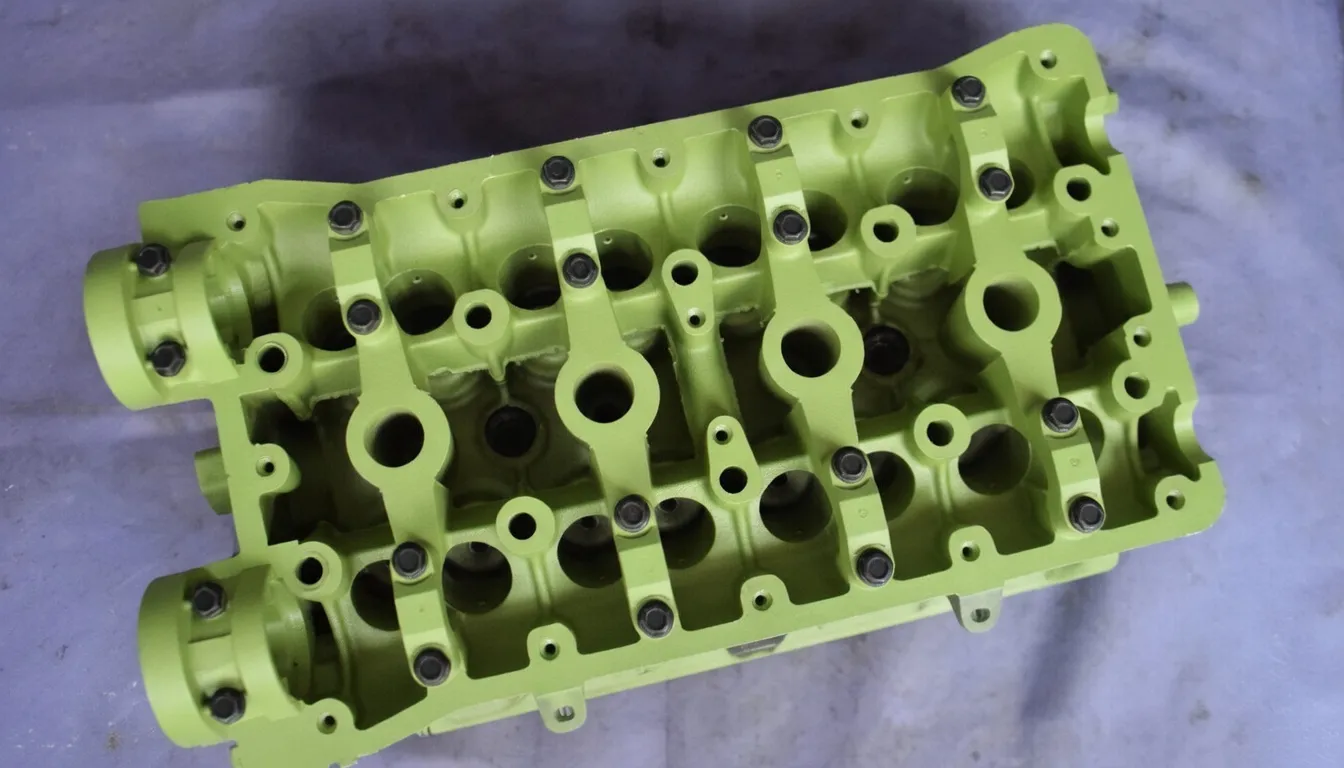 The UK automotive manufacturing landscape, particularly within the Midlands and North East clusters, demands an unprecedented level of synchronization and component protection. When handling critical engine components such as cast-iron blocks or aluminium cylinder heads, the margin for error is non-existent. Surface integrity is paramount; a single micro-scratch on a mating surface can lead to catastrophic sealing failures in the final engine build. This is where the specialized camelback chain, also known as the plastic top conveyor chain, becomes the backbone of the assembly line. By integrating a raised, low-friction carrier onto a robust steel base chain, manufacturers achieve the perfect balance of heavy-duty load capacity and delicate part handling. These chains are designed to navigate the rigorous cycles of continuous indexing, wash stations, and robotic pick-and-place operations that define modern Tier-1 powertrain facilities across Great Britain.
Zero-Marking Protection
Our camelback chains utilize advanced polymer inserts, typically high-grade POM or PA66, which act as a buffer between the metal chain and the cylinder head. This ensures that even during high-speed transfers or accumulation phases, the finished machined surfaces of the engine block remain pristine. In the competitive UK market, reducing scrap rates at the assembly stage is the fastest route to increasing profitability and maintaining ISO quality standards.
Superior Load Stability
Engine blocks are inherently heavy and have an offset centre of gravity. The “camelback” profile is engineered to provide a stable footprint that prevents the component from rocking or shifting during rapid acceleration or deceleration. This stability is crucial for downstream robotic cells that require millimeter-perfect positioning for tasks like bolt torquing, gasket placement, or crankshaft insertion within the assembly sequence.
Chemical and Thermal Resistance
Assembly lines often involve exposure to cutting fluids, lubricants, and thermal cleaning cycles. Our chain materials are selected for their exceptional resistance to these industrial environments. This prevents the polymer carriers from becoming brittle or swelling, ensuring the conveyor system maintains its dimensional accuracy over millions of cycles, significantly extending the Mean Time Between Failures (MTBF) for UK production managers.
Strategic Application Scenarios in British Powertrain Plants
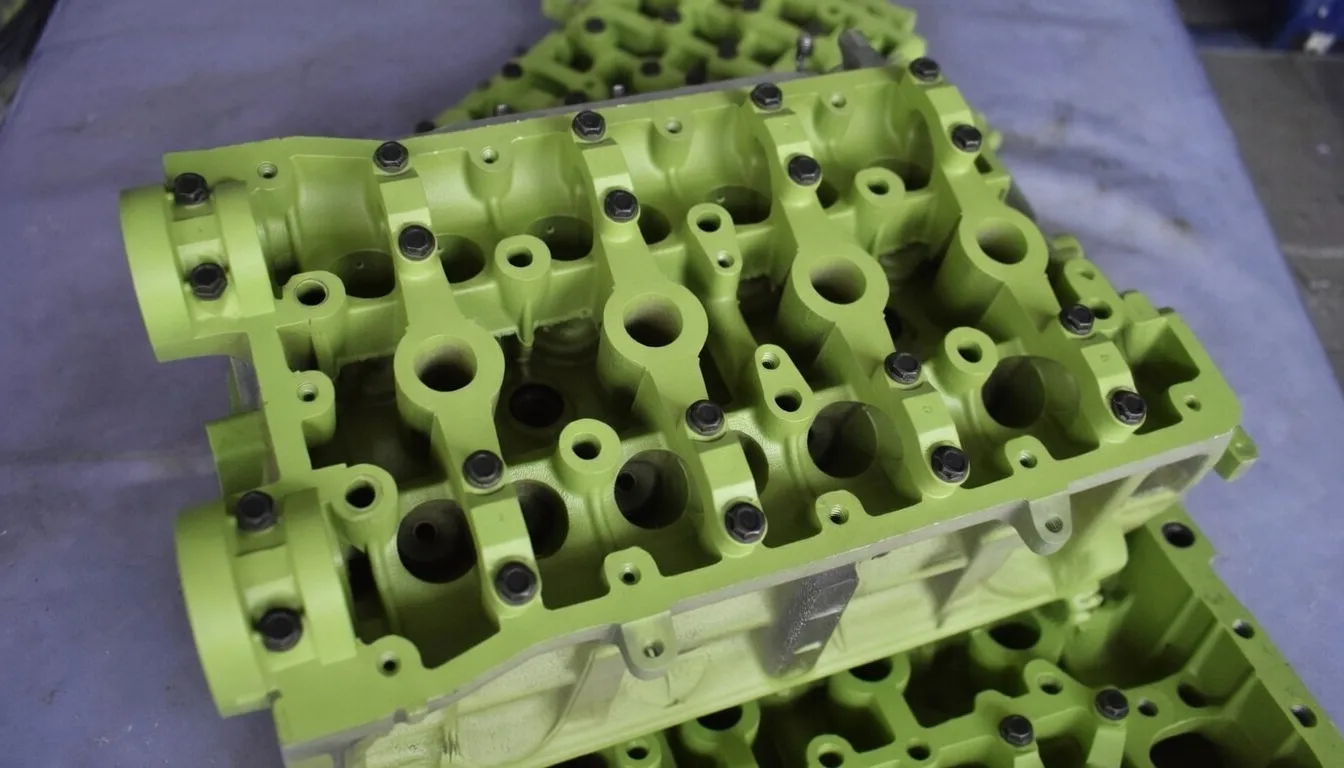 In a typical high-volume engine plant, the camelback chain isn’t just a transport mechanism; it’s a precisely timed component of the manufacturing execution system. For cylinder head assembly, the chain must handle the transfer through valve seat pressing, cam carrier installation, and final leak testing. Each station places unique stresses on the conveyor. During pressing operations, the chain may be subject to localized downward forces, necessitating a high-tensile steel core (often 40Mn or 45Mn alloy) that resists elongation. In the UK, where lean manufacturing is the gold standard, our chains support synchronous movement where every second of takt time is optimized. The integration of side-bow capabilities also allows these chains to navigate complex factory floor layouts where space is at a premium, enabling 180-degree turns within a compact footprint without compromising the orientation of the engine block.
Beyond the main assembly line, these chains are vital in the sub-assembly and kitting areas. Here, components like pistons, connecting rods, and oil pumps are pre-staged for the main line. The use of camelback profiles allows for “soft-touch” accumulation, where parts can buffer behind a workstation without the motor needing to stop. The low coefficient of friction of the plastic top allows the chain to continue sliding underneath the stationary engine block, preventing frictional heat buildup and motor strain. This capability is essential for managing the fluctuations in assembly speed that occur during manual inspection phases or when transitioning between different engine variants on a flexible production line.
| Technical Parameter | Standard Configuration | Premium Custom Grade | Performance Impact |
|---|---|---|---|
| Chain Core Material | 40Mn Carbon Steel | 304/316 Stainless Steel | Tensile strength & corrosion resistance |
| Camelback Attachment | Reinforced POM (Black) | Anti-Static PA66 (Blue) | Surface protection & ESD safety |
| Pitch Range | 12.7mm – 50.8mm | Bespoke Pitch Options | Drive sprocket compatibility |
| Heat Treatment | Carburizing HRC 50-55 | Induction Hardened HRC 60+ | Fatigue life and wear resistance |
| Working Temp Range | -20 C to +80 C | -40 C to +150 C | Adaptability to wash/drying ovens |
Case Study: Efficiency Transformation for a West Midlands Engine Supplier
A major Tier-1 supplier located near Birmingham was experiencing a 4.2% rejection rate on cylinder head mating surfaces due to metal-on-metal contact during the “slugging” movement of their traditional roller chain system. The abrasive nature of the cast aluminium against steel rollers was causing micro-pitting that became evident only during final pressure testing. After conducting a comprehensive site audit, Ever-Power designed a custom camelback chain solution featuring ultra-high-molecular-weight (UHMW) polyethylene attachments.
The implementation was staged over a bank holiday weekend to minimize production downtime. Following the switch, the facility reported a reduction in surface-related scrap to near 0% within the first month. Furthermore, the noise levels on the assembly floor dropped by 12 decibels, creating a safer and more ergonomic environment for the operators. The system has now been running for 18 months without requiring a single chain link replacement, proving the long-term durability of our specialized materials in high-torque UK automotive applications.
“The technical support from the engineering team was exceptional. They understood our UK production constraints and delivered a chain that outperformed the OEM specifications.”
— Operations Manager, Birmingham Automotive Components
“Reliability is everything when you’re running three shifts. These camelback chains have become our standard for all new line installs across our Sunderland and Coventry sites.”
— Lead Project Engineer, UK Powertrain Systems
“We were struggling with chain elongation issues in our wash booths. Ever-Power’s heat-treated stainless core camelback chain solved the problem overnight.”
— Maintenance Supervisor, Midlands Engine Plant
The Physics of Camelback Chain Performance
To understand why the camelback chain is superior for engine blocks, one must look at the contact mechanics. A standard roller chain has a narrow contact point which exerts high localized pressure on the component. In contrast, the camelback attachment is designed with a broader, convex surface. This geometry distributes the weight of a 150kg V8 engine block across a larger area, reducing the pressure (P = F/A). By lowering the pressure, we effectively eliminate the risk of “brinelling” or permanent deformation of the aluminium surfaces. Furthermore, our engineering team utilizes finite element analysis (FEA) to optimize the internal ribbing of the plastic attachments, ensuring they can withstand the repetitive impact of heavy components being lowered by overhead gantries without cracking or shearing off the base chain.
Material science plays an equally critical role. For assembly lines in the UK that utilize aggressive synthetic detergents in their leak-testing stations, we provide specialized polymers that exhibit zero water absorption and high chemical stability. Standard chains often fail in these zones because the plastic components swell, causing the chain to bind in the guide rails. Our proprietary POM blends are infused with solid lubricants, providing a “self-lubricating” property that reduces the need for external grease, which is often a source of contamination in the cleanroom environments required for modern GDI (Gasoline Direct Injection) engine assembly.
Ever-Power: Your UK Partner for Custom Transmission Solutions
From our advanced manufacturing facility, we offer full customization services for camelback chains. Whether you need specific attachment heights, anti-static materials for electronic component integration, or custom-colored carriers for visual line identification, our engineering team is ready to assist. We specialize in rapid prototyping and small-batch production for specialized UK manufacturing projects.
Frequently Asked Questions
How can I find a reliable camelback chain supplier for my Coventry-based engine assembly plant?
When searching for a supplier in the Coventry or wider West Midlands area, it is vital to choose a partner like Ever-Power who understands the specific torque and precision requirements of the UK automotive sector. We offer direct shipping and technical consultations across the UK, ensuring that your assembly line receives high-performance chains that meet both British and International standards for powertrain manufacturing.
What is the typical cost for a custom-designed camelback chain for a large-scale UK manufacturing facility?
The price of a camelback chain varies based on the base chain material, the type of polymer attachment required, and the total length of the conveyor run. For UK-based Tier-1 and Tier-2 suppliers, we provide competitive quote packages that include bulk discounts for large installations. Contact our sales team with your pitch and load specifications to receive a detailed breakdown of costs and lead times tailored to your project.
Which material should I choose for a camelback chain used in high-temperature engine washing stations?
For applications involving elevated temperatures or aggressive chemical cleaning, we recommend our premium heat-resistant PA66 or specialized stainless steel base chains. These materials are engineered to maintain their structural integrity and friction coefficients even when exposed to 80C+ wash cycles, which is a common requirement in British engine block preparation and cylinder head finishing lines.
Where are the best application scenarios for using plastic-top camelback chains in a modern powertrain assembly line?
The most effective scenarios include the transport of machined engine blocks, cylinder heads, and transmission casings where surface protection is critical. They are also ideal for robotic indexing stations where high positioning accuracy is required, and for accumulation zones where parts must buffer without the risk of scuffing or frictional damage during the manufacturing process in UK automotive plants.
édité par gzl