
Product Description
Product Description
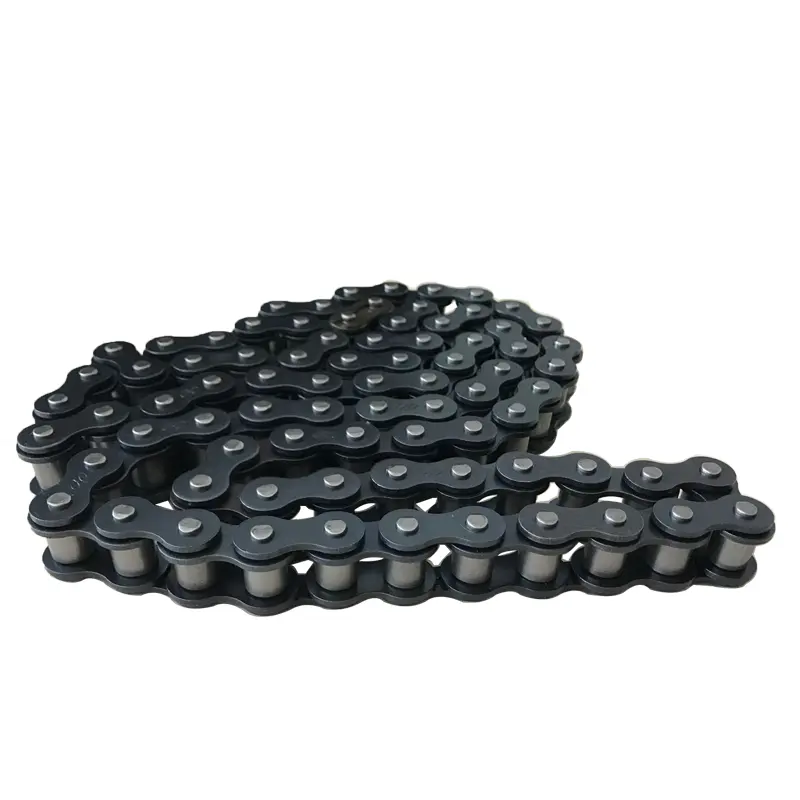
| Item Name | Agricultural Roller Chains | Model | Standard |
| Row | / | Application | Machinery Parts |
| Suiface Treament | netural/sand-blasted/shot-peening | Certification | ISO, ANSI, DIN, BS |
| Packing | Packaged in boxes and wooden cases, or packaged in reels and then on pallets | Port | Any sea port or airport in china |
Agricultural chains, also known as farm machinery chains, are specifically designed for use in
agricultural equipment and machinery. These chains are used to transmit power from the tractor
to various attachments, such as plows, cultivators, and harvesters.
Agricultural chains are made from high-quality materials that are resistant to wear and corrosion.
They are designed to withstand the harsh conditions of the farm, including exposure to dirt, dust,
and debris. These chains are available in a variety of sizes and configurations to fit different
types of farm machinery.
In addition to their strength and durability, agricultural chains are also designed to provide smooth
and efficient power transmission. This helps to increase the productivity of the equipment and
reduce downtime for maintenance and repairs.
Overall, agricultural chains play a critical role in the operation of farm machinery, ensuring that
farmers can efficiently and effectively carry out their work.
Other Products
Company Profile
Packaging & Shipping
After Sales Service
Contact us
| Standard or Nonstandard: | Standard |
|---|---|
| Application: | Textile Machinery, Garment Machinery, Conveyer Equipment, Packaging Machinery, Electric Cars, Motorcycle |
| Surface Treatment: | Netural/Sand-Blasted/Shot-Peening |
| Structure: | Roller Chain |
| Material: | Carbon Steel |
| Type: | Short Pitch Chain |
| Samples: | US$ 3.45/Meter 1 Meter(Min.Order) | |
|---|
| Customization: | Available | Customized Request |
|---|
Are there any special considerations for installing roller chains?
Proper installation of roller chains is crucial to ensure their optimal performance and longevity. Here are some key considerations for installing roller chains:
1. Alignment: Ensure proper alignment of the sprockets to prevent side loading and premature wear. The sprockets should be aligned parallel to each other and positioned at the correct distance according to the chain’s pitch.
2. Tension: Proper chain tension is essential for smooth operation and to prevent excessive wear. Follow the manufacturer’s recommendations for the appropriate tension based on the specific chain type and application. It’s important to achieve the correct tension without over-tightening, as excessive tension can lead to increased stress and accelerated wear.
3. Lubrication: Apply the appropriate lubricant to the roller chain during installation. Lubrication helps reduce friction, wear, and heat generation. Follow the manufacturer’s recommendations for the type and frequency of lubrication based on the operating conditions and chain design. Ensure even distribution of lubricant along the chain’s length.
4. Sprocket Teeth Engagement: Check that the chain properly engages with the teeth of the sprockets. The chain should fit snugly into the sprocket teeth without excessive clearance or interference. Incorrect engagement can cause slippage, uneven wear, and premature failure.
5. Chain Length: Ensure that the chain length is appropriate for the application. Avoid excessive slack or excessive tension by adjusting the chain length accordingly. An incorrectly sized chain can lead to poor performance, increased wear, and potential damage to the chain and sprockets.
6. Protection: Consider using chain guards or covers to protect the roller chain from external contaminants such as dust, dirt, or debris. This helps minimize wear and extends the chain’s lifespan, particularly in harsh or dirty environments.
7. Regular Inspection: Regularly inspect the roller chain and sprockets for signs of wear, damage, or misalignment. Monitor the chain’s performance and address any issues promptly to avoid further damage and prevent unexpected downtime.
8. Proper Tools and Techniques: Use appropriate tools and techniques during installation to ensure accuracy and prevent damage to the chain or components. Follow the manufacturer’s guidelines or consult with experts for specific installation instructions.
By following these considerations and best practices, you can ensure proper installation of roller chains and maximize their performance and durability in your application.
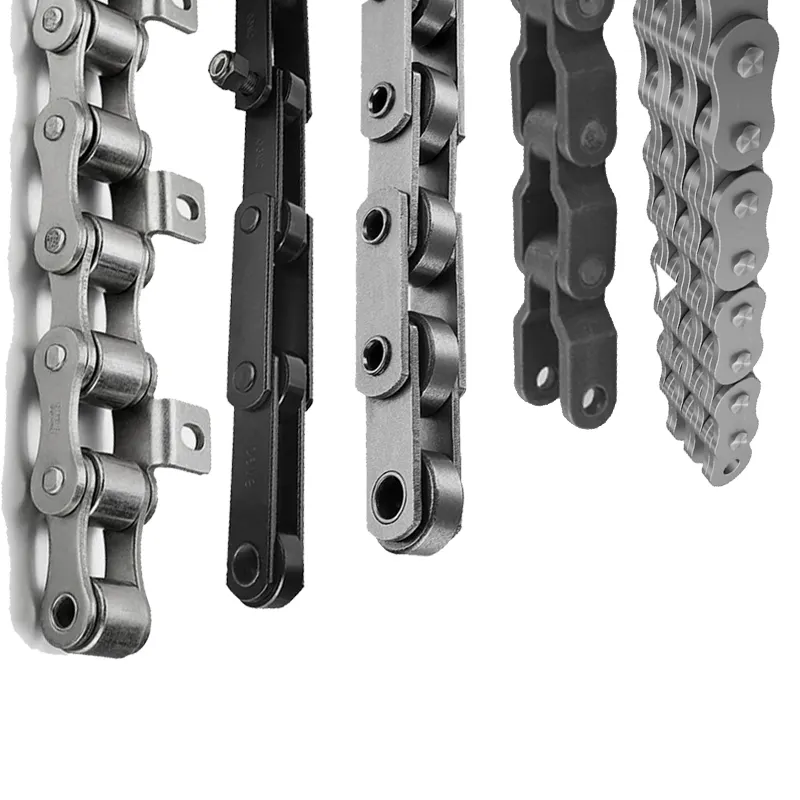
Can roller chains be used for power transmission in industrial equipment?
Yes, roller chains are widely used for power transmission in various industrial equipment and machinery. Here’s a detailed answer to the question:
1. Versatility: Roller chains are known for their versatility and can be used in a wide range of industrial applications. They are commonly employed in machinery such as conveyors, agitators, mixers, hoists, elevators, packaging equipment, material handling systems, and many other types of industrial equipment.
2. Power Transmission: Roller chains excel in transmitting power from one rotating shaft to another. They can efficiently transfer high torque and handle heavy loads, making them suitable for demanding industrial applications where power transmission is required.
3. Load Capacity: Roller chains are designed to withstand significant loads and provide reliable power transmission. They are available in various sizes and strengths, allowing for customization based on the specific load requirements of the industrial equipment.
4. Durability: Roller chains are built to be durable and withstand harsh operating conditions typically encountered in industrial environments. They are constructed using high-quality materials and undergo heat treatment processes to enhance their strength and resistance to wear, fatigue, and elongation.
5. Efficiency: Roller chains offer high transmission efficiency due to their positive engagement with the sprockets. The rollers on the chain engage with the sprocket teeth, minimizing slippage and ensuring reliable power transfer. This results in efficient operation and optimized performance of industrial equipment.
6. Easy Maintenance: Roller chains are relatively easy to maintain, especially when compared to other power transmission systems. Proper lubrication and periodic inspection are essential to ensure smooth operation and extend the chain’s lifespan. Regular maintenance routines can be implemented to keep the chains in optimal condition and minimize downtime.
7. Cost-Effectiveness: Roller chains are generally cost-effective compared to alternative power transmission methods. They offer a balance between performance, durability, and affordability, making them a popular choice for power transmission in industrial equipment.
In summary, roller chains are well-suited for power transmission in industrial equipment due to their versatility, load capacity, durability, efficiency, ease of maintenance, and cost-effectiveness. When selecting roller chains for industrial applications, it’s important to consider factors such as load requirements, speed, environmental conditions, and compatibility with the specific equipment to ensure optimal performance and longevity.


editor by CX 2023-08-02