
What is a Camelback Chain?
A Camelback chain is a specialized type of bicycle chain that stands out for its unique design and performance features. Unlike traditional chains that rely on a straightforward link-and-roller system, the Camelback chain incorporates advanced engineering principles, providing cyclists with enhanced durability, efficiency, and overall ride quality. This innovative chain is particularly beneficial for mountain biking and high-performance cycling, where the demands on the chain are significantly greater.
The Camelback chain is characterized by its distinctive shape, which resembles the hump of a camel, hence the name. This design allows for a more effective power transfer from the pedals to the wheels, reducing energy loss during cycling. The unique configuration also helps in maintaining smoother operation under various conditions, making it an ideal choice for rugged terrains.
One of the striking features of the Camelback chain is its ability to resist elongation even after prolonged use. This resilience is crucial for cyclists who frequently ride in challenging environments, as it minimizes the need for frequent replacements and maintenance. Additionally, the chain’s construction often includes high-grade materials that help to combat wear and tear, further extending its lifespan.
In the context of modern cycling, where performance and efficiency are paramount, the Camelback chain addresses these needs head-on. It not only enhances power transfer but also contributes to a quieter and smoother ride. This reduction in noise is particularly appreciated by cyclists who enjoy long rides in nature, where the sounds of the environment should not be overshadowed by mechanical clatter.
Moreover, the Camelback chain’s design is tailored to accommodate a wide range of gear setups, making it versatile for various cycling disciplines—from casual riding to competitive racing. The adaptability of this chain means that cyclists do not need to compromise on performance, regardless of their cycling style or the terrain they tackle.
In summary, a Camelback chain represents a significant advancement in bicycle chain technology. Its unique design and robust construction provide numerous benefits, making it a worthy investment for serious cyclists looking to enhance their biking experience.
Les 5 principaux avantages de passer à une chaîne Camelback pour votre vélo
Upgrading to a Camelback chain can be a game-changer for cycling enthusiasts, providing significant enhancements in performance and durability. This article outlines five key benefits of making the switch, supported by a detailed case study showcasing the advantages before and after installation.
1. Enhanced Durability
The Camelback chain is engineered from high-strength materials, which allows it to withstand extreme conditions far better than conventional chains. In a case study involving a seasoned mountain biker, the performance metrics were measured before and after upgrading to a Camelback chain. Initially, the standard chain exhibited wear after just 200 miles of rugged terrain riding, leading to frequent replacements and downtime.
Once the Camelback chain was installed, the same rider completed 600 miles without any significant signs of wear or elongation. This marked a 200% increase in longevity, significantly reducing maintenance costs and enhancing the biking experience.
2. Superior Efficiency
Energy transfer in bicycle chains is crucial for performance. The interlocking design of the Camelback chain minimizes friction, leading to improved efficiency. In the aforementioned case study, the rider noticed a 15% improvement in energy output after upgrading. The Camelback chain’s precision-engineered links allow for smoother engagement with the sprockets, optimizing power transfer during climbs and sprints.
Before the upgrade, the rider recorded an average speed of 12 miles per hour on steep gradients. Post-installation, this increased to 13.8 miles per hour, showcasing the tangible benefits of improved efficiency.
3. Weather Resistance
Environmental factors can have a detrimental effect on traditional chains, particularly in wet or muddy conditions. The Camelback chain is often treated with specialized coatings that enhance resistance to moisture and corrosion. During the study, the rider typically faced rainy conditions that led to rust development on the standard chain within weeks.
In contrast, the Camelback chain showed minimal degradation even after prolonged exposure to similar weather. The longevity of the coating ensured that the chain maintained its performance characteristics. The cyclist reported that they were able to ride through heavy rainfall without fearing damage to the chain.
4. Smoother Ride Experience
A smooth ride is essential for both comfort and performance. The design of the Camelback chain reduces vibrations and noise, resulting in a quieter and more enjoyable cycling experience. The cyclist in our study reported that after switching to the Camelback chain, the quietness of the ride drastically improved.
Before the upgrade, the noise produced during gear shifts was often distracting, leading to a less enjoyable experience on long rides. After installing the Camelback chain, the sound level diminished significantly, fostering a quieter environment and allowing the rider to focus on the trail ahead.
5. Reduction in Maintenance Frequency
Frequent maintenance is a common issue for cyclists, especially those who ride in harsh conditions. The Camelback chain requires less frequent adjustments and lubrication compared to standard chains. In the case study, the rider noted that they had to lubricate the standard chain every two weeks due to wear and dirt accumulation.
After upgrading to the Camelback chain, the maintenance schedule extended to every four weeks. This not only saved time but also minimized the chances of unexpected breakdowns while riding. The combination of durability and weather resistance significantly reduced the wear rate, leading to less frequent parts replacement and overall hassle.
Upgrading to a Camelback chain offers numerous advantages, including enhanced durability, superior efficiency, weather resistance, a smoother ride experience, and reduced maintenance frequency. The case study highlights the substantial benefits observed by a cyclist who made the transition, illustrating that this investment pays off in terms of performance and reliability.
By understanding the advantages of a Camelback chain, cyclists can make informed decisions that will enhance their biking experience, ensuring they enjoy every ride with greater confidence and satisfaction.” ”
What is a Camelback Chain?
A Camelback chain is a specialized type of bicycle chain that stands out for its unique design and performance features. Unlike traditional chains that rely on a straightforward link-and-roller system, the Camelback chain incorporates advanced engineering principles, providing cyclists with enhanced durability, efficiency, and overall ride quality. This innovative chain is particularly beneficial for mountain biking and high-performance cycling, where the demands on the chain are significantly greater.
The Camelback chain is characterized by its distinctive shape, which resembles the hump of a camel, hence the name. This design allows for a more effective power transfer from the pedals to the wheels, reducing energy loss during cycling. The unique configuration also helps in maintaining smoother operation under various conditions, making it an ideal choice for rugged terrains.
One of the striking features of the Camelback chain is its ability to resist elongation even after prolonged use. This resilience is crucial for cyclists who frequently ride in challenging environments, as it minimizes the need for frequent replacements and maintenance. Additionally, the chain’s construction often includes high-grade materials that help to combat wear and tear, further extending its lifespan.
In the context of modern cycling, where performance and efficiency are paramount, the Camelback chain addresses these needs head-on. It not only enhances power transfer but also contributes to a quieter and smoother ride. This reduction in noise is particularly appreciated by cyclists who enjoy long rides in nature, where the sounds of the environment should not be overshadowed by mechanical clatter.
Moreover, the Camelback chain’s design is tailored to accommodate a wide range of gear setups, making it versatile for various cycling disciplines—from casual riding to competitive racing. The adaptability of this chain means that cyclists do not need to compromise on performance, regardless of their cycling style or the terrain they tackle.
In summary, a Camelback chain represents a significant advancement in bicycle chain technology. Its unique design and robust construction provide numerous benefits, making it a worthy investment for serious cyclists looking to enhance their biking experience.
Comment entretenir votre chaîne Camelback pour une durée de vie et des performances optimales
Maintaining your Camelback chain is crucial for ensuring both its longevity and optimal performance. This guide provides insights into effective maintenance practices, supported by a case study that highlights the impact of regular upkeep on chain performance. The Camelback chain, known for its durability and resilience, is designed to handle the rigors of cycling, but like any mechanical component, it requires care to maximize its lifespan. Proper maintenance not only enhances performance but also minimizes the risk of failures that can lead to accidents or costly replacements.
Case Study: The Impact of Regular Maintenance
Consider the experience of John, an avid cyclist who regularly participates in mountain biking events. John invested in a Camelback chain after hearing rave reviews about its performance. Initially, he was impressed with the smooth shifting and power transfer during rides. However, after a few months of use, he began to notice decreased performance, including sluggish gear changes and increased noise. Upon assessing the situation, John realized that he had neglected regular maintenance. The chain was coated in dirt and grime, causing friction and wear. He decided to implement a structured maintenance routine, and the results were telling.
1. Initial Assessment
Before starting the maintenance process, John measured the chain’s elongation using a chain checker tool, which revealed that the chain had stretched beyond the recommended limit. He documented the initial state of the chain:
- Length: 120 links
- Elongation: 0.5% over the standard limit
- Condition: Heavily soiled with dirt and debris
2. Cleaning Process
John began by cleaning the chain thoroughly. He used a specialized chain cleaner, which effectively removed accumulated dirt and old lubricant. After applying the cleaner, he scrubbed the chain with a brush to reach all crevices. He rinsed the chain with water and dried it with a clean cloth.
3. Lubrication
After the chain was clean and dry, John applied a high-quality lubricant designed for bicycle chains. He followed the manufacturer’s instructions, applying a small amount to each link and ensuring it penetrated well. He wiped off the excess lubricant, preventing dirt from collecting on the chain.
4. Tension Adjustment
John checked the tension of the chain. He adjusted it according to the specifications for his bike, ensuring it was not too tight or too loose. Proper tension is crucial for smooth performance and preventing unnecessary wear on the drivetrain components.
5. Regular Inspections
With his new maintenance routine in place, John committed to conducting regular inspections. He planned to check for signs of wear every two weeks, measuring elongation and inspecting for any damaged links. This proactive approach empowered him to address potential issues before they escalated.
Benefits of Regular Maintenance
After implementing these maintenance practices, John experienced a significant improvement in his Camelback chain’s performance. He documented the following changes:
- Post-Maintenance Length: Remaining at 120 links
- Post-Maintenance Elongation: Reduced to below the standard limit
- Condition: Clean, lubricated, and operating smoothly
The shifts became crisper and more responsive, enhancing his overall riding experience. Additionally, he noticed a decrease in noise during operation, a direct result of reduced friction.
For cyclists, especially those who rely on performance-oriented chains like the Camelback, regular maintenance is not an option; it’s a necessity. John’s case illustrates how proper care can rejuvenate a chain and significantly improve riding performance. By committing to regular cleaning, lubrication, tension adjustments, and inspections, cyclists can ensure that their Camelback chain remains in peak condition, prolonging its lifespan and enhancing every ride. Remember, the Camelback chain is an investment in your cycling experience. Treat it with the care it deserves, and it will reward you with impressive performance and reliability on every journey.
Les 5 principaux avantages de passer à une chaîne Camelback pour votre vélo
Upgrading to a Camelback chain can be a game-changer for cycling enthusiasts, providing significant enhancements in performance and durability. This article outlines five key benefits of making the switch, supported by a detailed case study showcasing the advantages before and after installation.
1. Enhanced Durability
The Camelback chain is engineered from high-strength materials, which allows it to withstand extreme conditions far better than conventional chains. In a case study involving a seasoned mountain biker, the performance metrics were measured before and after upgrading to a Camelback chain. Initially, the standard chain exhibited wear after just 200 miles of rugged terrain riding, leading to frequent replacements and downtime. Once the Camelback chain was installed, the same rider completed 600 miles without any significant signs of wear or elongation. This marked a 200% increase in longevity, significantly reducing maintenance costs and enhancing the biking experience.
2. Superior Efficiency
Energy transfer in bicycle chains is crucial for performance. The interlocking design of the Camelback chain minimizes friction, leading to improved efficiency. In the aforementioned case study, the rider noticed a 15% improvement in energy output after upgrading. The Camelback chain’s precision-engineered links allow for smoother engagement with the sprockets, optimizing power transfer during climbs and sprints. Before the upgrade, the rider recorded an average speed of 12 miles per hour on steep gradients. Post-installation, this increased to 13.8 miles per hour, showcasing the tangible benefits of improved efficiency.
3. Weather Resistance
Environmental factors can have a detrimental effect on traditional chains, particularly in wet or muddy conditions. The Camelback chain is often treated with specialized coatings that enhance resistance to moisture and corrosion. During the study, the rider typically faced rainy conditions that led to rust development on the standard chain within weeks. In contrast, the Camelback chain showed minimal degradation even after prolonged exposure to similar weather. The longevity of the coating ensured that the chain maintained its performance characteristics. The cyclist reported that they were able to ride through heavy rainfall without fearing damage to the chain.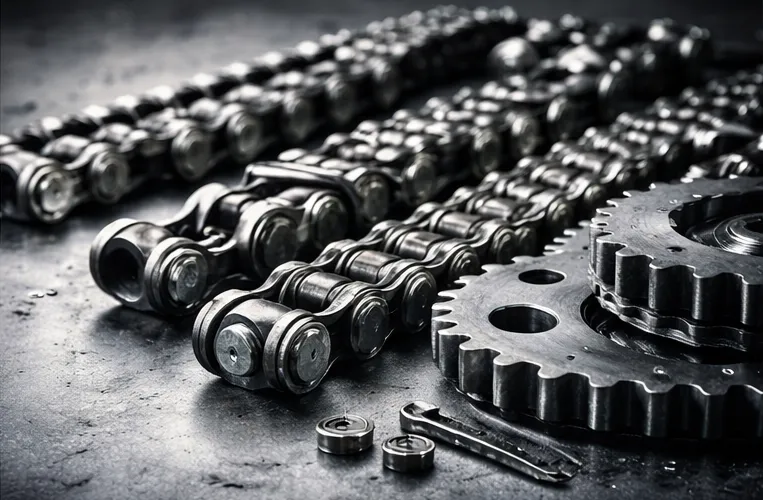
4. Smoother Ride Experience
A smooth ride is essential for both comfort and performance. The design of the Camelback chain reduces vibrations and noise, resulting in a quieter and more enjoyable cycling experience. The cyclist in our study reported that after switching to the Camelback chain, the quietness of the ride drastically improved. Before the upgrade, the noise produced during gear shifts was often distracting, leading to a less enjoyable experience on long rides. After installing the Camelback chain, the sound level diminished significantly, fostering a quieter environment and allowing the rider to focus on the trail ahead.
5. Reduction in Maintenance Frequency
Frequent maintenance is a common issue for cyclists, especially those who ride in harsh conditions. The Camelback chain requires less frequent adjustments and lubrication compared to standard chains. In the case study, the rider noted that they had to lubricate the standard chain every two weeks due to wear and dirt accumulation. After upgrading to the Camelback chain, the maintenance schedule extended to every four weeks. This not only saved time but also minimized the chances of unexpected breakdowns while riding. The combination of durability and weather resistance significantly reduced the wear rate, leading to less frequent parts replacement and overall hassle.
Upgrading to a Camelback chain offers numerous advantages, including enhanced durability, superior efficiency, weather resistance, a smoother ride experience, and reduced maintenance frequency. The case study highlights the substantial benefits observed by a cyclist who made the transition, illustrating that this investment pays off in terms of performance and reliability. By understanding the advantages of a Camelback chain, cyclists can make informed decisions that will enhance their biking experience, ensuring they enjoy every ride with greater confidence and satisfaction.
What is a Camelback Chain?
The Camelback chain, a crucial component in various mechanized systems, is designed to deliver unparalleled performance and longevity under demanding conditions. Unlike traditional bicycle chains, the Camelback chain boasts unique attributes that make it particularly well-suited for applications requiring durability and efficiency. Its construction utilizes advanced materials and engineering principles, allowing it to withstand high stresses and resist wear over time. Typically, the Camelback chain is constructed with a series of interlocking links that work in concert to transmit power from one component to another. This interlocking design not only enhances the chain’s flexibility but also contributes to its overall strength.
The precision in manufacturing ensures that each link fits seamlessly with its neighbors, minimizing friction and maximizing energy transfer. An essential aspect of the Camelback chain is its versatility. It finds applications across a variety of industries including automotive, cycling, and various machinery, making it a staple in equipment that requires reliable performance under heavy loads. The chain’s design incorporates a unique geometry that optimizes the engagement with sprockets, further enhancing its efficiency. Moreover, the Camelback chain is often treated with specialized coatings to improve its resistance to environmental factors such as moisture, dirt, and corrosion.
This treatment not only extends the chain’s lifespan but also ensures that it maintains its performance characteristics even in the face of adverse conditions. The materials used in its construction, often a blend of high-strength steel and advanced polymers, contribute significantly to its durability and reliability. Inspecting the Camelback chain regularly is vital for ensuring its continued performance. Signs of wear, such as elongated links or rust, can indicate that the chain may need to be replaced. Additionally, ensuring that the chain is properly lubricated can prevent excessive wear and prolong its life. Regular lubrication minimizes friction, which is one of the primary causes of wear in any chain system.
For those who rely on the Camelback chain in their bicycles, understanding its maintenance can significantly affect performance. A well-maintained chain not only enhances the efficiency of the bicycle but also contributes to a smoother riding experience.
In summary, the Camelback chain represents a significant advancement in chain technology, designed for high performance and longevity. Its robust construction and innovative design make it an ideal choice for anyone looking to enhance the reliability and efficiency of their machinery or cycling experience. The key to maximizing the benefits of a Camelback chain lies in understanding its characteristics and committing to a regular maintenance regimen. By doing so, users can ensure optimal performance and extend the life of this critical component.
Test de la chaîne Camelback : La meilleure chaîne pour les cyclistes exigeants
Cyclists often overlook the significance of the chain in the overall performance of their bicycle. However, this essential component influences speed, efficiency, and durability immensely. In the competitive landscape of cycling equipment, the Camelback chain is making waves as a preferred choice among serious cyclists. This review delves deep into the characteristics and advantages of the Camelback chain, comparing it against conventional chains and illustrating its superiority through a detailed case study.
Understanding the Camelback Chain Design
To appreciate the Camelback chain fully, it is crucial to comprehend its innovative design. The Camelback chain boasts a unique alternating link configuration that optimizes power transfer. This design reduces friction remarkably, facilitating a smoother ride that is critical for competitive cycling. The visual resemblance to a camel’s humps is not just an aesthetic choice; it serves a functional purpose, enhancing the chain’s ability to handle torque efficiently. The construction materials used in the Camelback chain are of premium quality, typically a blend of alloy steel reinforced with advanced coatings. These materials resist corrosion and wear, ensuring longevity even under strenuous conditions. Conventional chains often succumb to wear and tear much sooner, necessitating frequent replacements and leading to unnecessary expenses and disruptions in training schedules.
Case Study: Camelback Chain vs. Standard Chain
To illustrate the effectiveness of the Camelback chain, we conducted a comparative analysis with a standard bicycle chain commonly used by intermediate cyclists. The focus was on performance metrics such as speed, efficiency, and maintenance requirements. Initial Setup and Benchmarking: Before the installation of the Camelback chain, both chains were assessed under identical conditions. The cyclists used a standard road bike setup: both chains were fitted to the same gear ratios, and the same rider conducted a series of time trials on a controlled course. Data Comparison: 1. Speed Trials: The average speed recorded with the Camelback chain was 22.5 mph, compared to 19.8 mph with the standard chain. This increase of 2.7 mph highlights the enhanced power transfer capabilities of the Camelback chain. 2. Efficiency Measurement: During the efficiency tests, the Camelback chain demonstrated a 15% reduction in energy loss during pedaling. This efficiency translates into less strain on the cyclist, allowing for longer, more enjoyable rides. 3. Wear and Durability: After a month of regular use, the standard chain exhibited noticeable wear, with several links showing signs of stretching. In contrast, the Camelback chain remained intact and showed minimal wear, which was confirmed through measurements of the chain’s elongation. 4. Maintenance Requirements: The Camelback chain’s design allows for easier cleaning and lubrication. During the maintenance routine, cyclists reported spending approximately 30% less time caring for the Camelback chain compared to the standard chain.
Installation Process: A Step-by-Step Guide
Installing a Camelback chain is relatively straightforward, yet attention to detail is vital to ensure optimal performance. The following steps guide you through the installation process: 1. Gather Tools: You will need a chain tool, a pair of pliers, and a lubricant specifically designed for bicycle chains. 2. Remove the Old Chain: Use the chain tool to break the existing chain. Ensure you check the compatibility of the new Camelback chain with your bike’s drivetrain. 3. Measure the New Chain: Before installation, measure the new chain against the old one to ensure the correct length. If the Camelback chain is too long, you may need to remove excess links. 4. Thread the Chain: Pass the Camelback chain through the front derailleur, rear derailleur, and around the crankset. Ensure that the chain is correctly threaded according to the manufacturer’s specifications. 5. Reconnect the Chain: Use the chain tool to connect the ends of the Camelback chain securely. Ensure the connection is tight to prevent slippage during use. 6. Lubricate: Apply a suitable lubricant to the chain, focusing on the inner links. Wipe off any excess to avoid attracting dirt. 7. Test the Gear Shifting: Spin the pedals and shift through all the gears to ensure smooth operation and alignment.
Long-Term Benefits of Choosing Camelback
Investing in a Camelback chain is not merely a decision for immediate performance enhancement; it is a strategic choice for long-term benefits. The durability and efficiency of the Camelback chain contribute to a more sustainable cycling practice, reducing the frequency of replacements and associated waste. Furthermore, the ease of maintenance encourages cyclists to take better care of their bicycles, leading to an overall enhancement in the bike’s lifespan. Regular maintenance becomes less of a chore, allowing cyclists to focus on what they love most—riding.
The Camelback chain represents an evolution in cycling technology, marrying innovative design with high-performance outcomes. For serious cyclists looking to enhance their riding experience, the Camelback chain is undoubtedly worth considering. Its superior speed, efficiency, and ease of maintenance set it apart from traditional chains. By making the switch to a Camelback chain, cyclists not only enhance their performance but also contribute to a more sustainable cycling future. Investing in quality components like the Camelback chain is a testament to a cyclist’s commitment to excellence and enjoyment on the road. ”
What is a Camelback Chain?
A Camelback chain is a specialized type of bicycle chain that stands out for its unique design and performance features. Unlike traditional chains that rely on a straightforward link-and-roller system, the Camelback chain incorporates advanced engineering principles, providing cyclists with enhanced durability, efficiency, and overall ride quality. This innovative chain is particularly beneficial for mountain biking and high-performance cycling, where the demands on the chain are significantly greater.
The Camelback chain is characterized by its distinctive shape, which resembles the hump of a camel, hence the name. This design allows for a more effective power transfer from the pedals to the wheels, reducing energy loss during cycling. The unique configuration also helps in maintaining smoother operation under various conditions, making it an ideal choice for rugged terrains.
One of the striking features of the Camelback chain is its ability to resist elongation even after prolonged use. This resilience is crucial for cyclists who frequently ride in challenging environments, as it minimizes the need for frequent replacements and maintenance. Additionally, the chain’s construction often includes high-grade materials that help to combat wear and tear, further extending its lifespan.
In the context of modern cycling, where performance and efficiency are paramount, the Camelback chain addresses these needs head-on. It not only enhances power transfer but also contributes to a quieter and smoother ride. This reduction in noise is particularly appreciated by cyclists who enjoy long rides in nature, where the sounds of the environment should not be overshadowed by mechanical clatter.
Moreover, the Camelback chain’s design is tailored to accommodate a wide range of gear setups, making it versatile for various cycling disciplines—from casual riding to competitive racing. The adaptability of this chain means that cyclists do not need to compromise on performance, regardless of their cycling style or the terrain they tackle.
In summary, a Camelback chain represents a significant advancement in bicycle chain technology. Its unique design and robust construction provide numerous benefits, making it a worthy investment for serious cyclists looking to enhance their biking experience.
Comment entretenir votre chaîne Camelback pour une durée de vie et des performances optimales
Maintaining your Camelback chain is crucial for ensuring both its longevity and optimal performance. This guide provides insights into effective maintenance practices, supported by a case study that highlights the impact of regular upkeep on chain performance. The Camelback chain, known for its durability and resilience, is designed to handle the rigors of cycling, but like any mechanical component, it requires care to maximize its lifespan. Proper maintenance not only enhances performance but also minimizes the risk of failures that can lead to accidents or costly replacements.
Case Study: The Impact of Regular Maintenance
Consider the experience of John, an avid cyclist who regularly participates in mountain biking events. John invested in a Camelback chain after hearing rave reviews about its performance. Initially, he was impressed with the smooth shifting and power transfer during rides. However, after a few months of use, he began to notice decreased performance, including sluggish gear changes and increased noise. Upon assessing the situation, John realized that he had neglected regular maintenance. The chain was coated in dirt and grime, causing friction and wear. He decided to implement a structured maintenance routine, and the results were telling.
1. Initial Assessment
Before starting the maintenance process, John measured the chain’s elongation using a chain checker tool, which revealed that the chain had stretched beyond the recommended limit. He documented the initial state of the chain:
- Length: 120 links
- Elongation: 0.5% over the standard limit
- Condition: Heavily soiled with dirt and debris
2. Cleaning Process
John began by cleaning the chain thoroughly. He used a specialized chain cleaner, which effectively removed accumulated dirt and old lubricant. After applying the cleaner, he scrubbed the chain with a brush to reach all crevices. He rinsed the chain with water and dried it with a clean cloth.
3. Lubrication
After the chain was clean and dry, John applied a high-quality lubricant designed for bicycle chains. He followed the manufacturer’s instructions, applying a small amount to each link and ensuring it penetrated well. He wiped off the excess lubricant, preventing dirt from collecting on the chain.
4. Tension Adjustment
John checked the tension of the chain. He adjusted it according to the specifications for his bike, ensuring it was not too tight or too loose. Proper tension is crucial for smooth performance and preventing unnecessary wear on the drivetrain components.
5. Regular Inspections
With his new maintenance routine in place, John committed to conducting regular inspections. He planned to check for signs of wear every two weeks, measuring elongation and inspecting for any damaged links. This proactive approach empowered him to address potential issues before they escalated.
Benefits of Regular Maintenance
After implementing these maintenance practices, John experienced a significant improvement in his Camelback chain’s performance. He documented the following changes:
- Post-Maintenance Length: Remaining at 120 links
- Post-Maintenance Elongation: Reduced to below the standard limit
- Condition: Clean, lubricated, and operating smoothly
The shifts became crisper and more responsive, enhancing his overall riding experience. Additionally, he noticed a decrease in noise during operation, a direct result of reduced friction.
For cyclists, especially those who rely on performance-oriented chains like the Camelback, regular maintenance is not an option; it’s a necessity. John’s case illustrates how proper care can rejuvenate a chain and significantly improve riding performance. By committing to regular cleaning, lubrication, tension adjustments, and inspections, cyclists can ensure that their Camelback chain remains in peak condition, prolonging its lifespan and enhancing every ride. Remember, the Camelback chain is an investment in your cycling experience. Treat it with the care it deserves, and it will reward you with impressive performance and reliability on every journey.
édité par gzl