
Optimum Camelback Chain for Car Door Assembly Conveyor Systems in UK Automotive Manufacturing
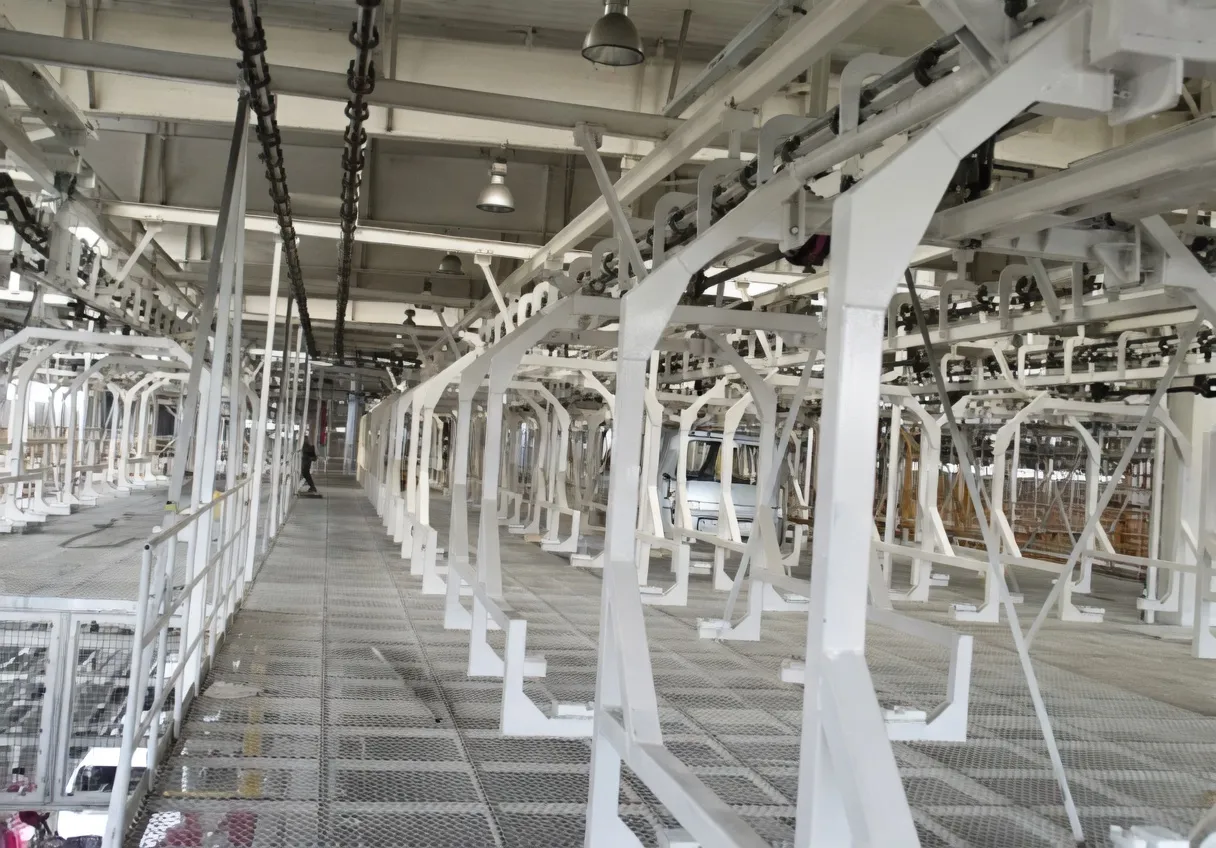 Navigating the complex landscape of modern automotive manufacturing requires a profound understanding of material handling precision, particularly within the highly demanding environment of vehicle door assembly lines. The continuous evolution of automotive design has introduced increasingly intricate electronic components, sophisticated locking mechanisms, and exacting aerodynamic contours into the architecture of modern car doors, significantly elevating the fragility and weight of these critical sub-assemblies. Within the bustling automotive hubs of the United Kingdom, from the historic manufacturing centers in the West Midlands to cutting-edge production facilities across the country, engineers face the relentless challenge of transporting these heavy yet delicate structures through multiple fabrication stages without introducing micro-vibrations, surface abrasions, or microscopic misalignments. Conventional flat-top or standard roller chains frequently fall short in these high-stakes applications, suffering from irregular tension distribution and inadequate load-bearing profiles that compromise the stability of automated robotic welding and precision painting processes. Addressing this specific operational bottleneck demands a highly specialized mechanical solution designed to cradle and secure awkward geometries during continuous shift work, which is precisely where the robust architecture of the camelback chain transforms the efficiency and reliability of car door assembly conveyor systems.
Engineering Principles and Material Composition
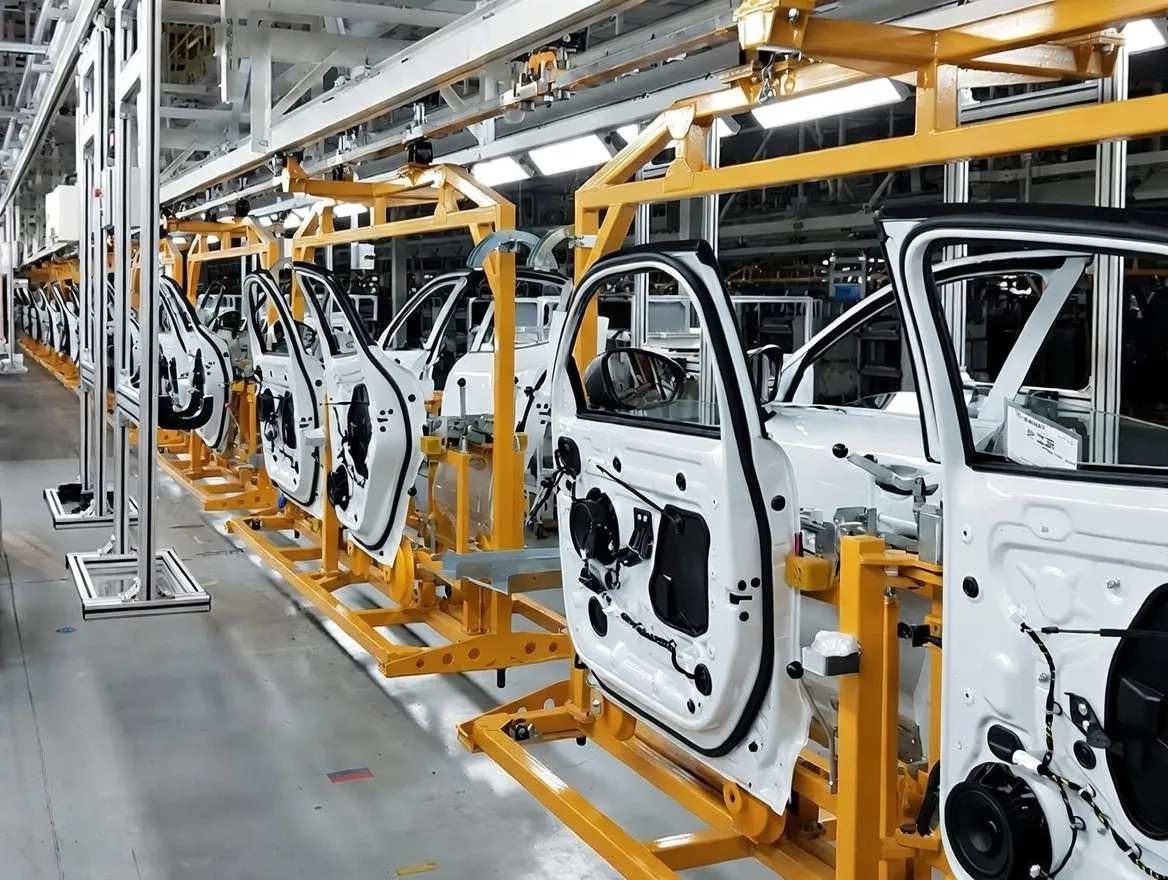 Diving deep into the mechanical principles that govern the superior performance of this transportation mechanism, we uncover a sophisticated interplay of metallurgical science and geometric design explicitly tailored for heavy-duty industrial applications. The defining characteristic of the camelback chain lies in its distinctive undulating link profile, meticulously engineered to create natural, secure resting pockets for the custom jigs and fixtures that carry heavy car doors through the factory floor. This specialized geometry significantly increases the surface contact area between the conveying medium and the payload carriage, dramatically reducing the pounds-per-square-inch pressure exerted on any single point and thereby mitigating the risk of structural deformation during high-speed transit. Manufactured from premium-grade alloy steels that undergo rigorous proprietary heat-treatment processes, these links achieve an exceptional balance between high tensile strength and necessary structural elasticity, allowing the system to absorb the sudden kinetic impacts associated with robotic loading and unloading sequences. Furthermore, recognizing the harsh environments found within British automotive plants, particularly the corrosive atmospheres of chemical pretreatment baths and the extreme temperatures of curing ovens, the entire assembly is fortified with advanced anti-corrosive surface coatings and utilizes high-temperature, synthetic lubricants sealed within precision-machined bearing surfaces to guarantee uninterrupted, friction-free operation over an extended lifecycle.
Technical Performance Parameters
| Parameter Specification | Standard Value Range | Material Composition | Operational Impact |
|---|---|---|---|
| Ultimate Tensile Strength | 120 kN – 250 kN | Heat-Treated Carbon Alloy | Prevents elongation under heavy door loads |
| Operating Temperature Range | -20 C to +250 C | Specialized Synthetic Lubricants | Ensures smooth transit through paint curing ovens |
| Pitch Precision Tolerance | +/- 0.05 mm | CNC Machined Components | Maintains exact positioning for robotic welding arms |
Analyzing the technical parameters detailed in the matrix above provides a clear perspective on why achieving peak operational efficiency heavily relies on these exact specifications. In the context of British vehicle production lines, where synchronization between multiple robotic cells is absolutely paramount, maintaining a pitch precision tolerance of merely fractions of a millimeter ensures that every single car door arrives at its designated assembly station in the exact spatial coordinate required by the programming grid. Any deviation or slack caused by inferior material usage would result in the robotic welders or automated screwdrivers missing their precise targets, triggering automated line stoppages, generating costly scrap materials, and severely impacting the factory’s daily production quotas. The utilization of heat-treated carbon alloys directly combats the relentless metal fatigue generated by the cyclical, start-and-stop motion inherent to assembly conveyor networks, while the broad thermal operational window guarantees that the camelback chain maintains its structural integrity and fluid movement seamlessly as it transitions from the ambient temperatures of the stamping press room directly into the intense heat of the electrocoating baking furnaces.
Core Application Scenarios in the Assembly Journey
Tracing the intricate journey of a car door from a raw, stamped sheet of steel to a fully functional, electronically integrated component reveals the indispensable nature of specialized conveying solutions across multiple distinct application zones within the factory. During the initial body-in-white phase, where the inner and outer metallic skins of the door are definitively married together through complex hem flanging and precise spot welding procedures, the camelback chain provides an unshakeable foundational support that effectively neutralizes the immense downward forces exerted by the heavy robotic clamping mechanisms. Moving downstream into the highly sensitive paint shop environment, the unique geometric profile of the chain proves utterly critical; it facilitates the secure attachment of rotating flight bars that gently tilt the door panels to eliminate solvent pooling and ensure a uniformly flawless, mirror-like finish devoid of any runs or sags. Entering the final trim and hardware installation sectors, human operators and collaborative robots work in close proximity to install delicate window regulators, sophisticated audio speakers, and intricate wiring harnesses, requiring the conveyor to index forward with absolute smoothness. Any jerky movements or sudden vibrations transmitted through an inferior drive mechanism would disrupt these meticulous tasks, leading to poorly seated weather seals or pinched electrical wires, underscoring exactly why the unparalleled stability of the camelback chain is deemed non-negotiable by leading manufacturing engineers overseeing these critical production arteries.
Operational Advantages and Profitability Impact
Transitioning from the mechanical schematics to the broader economic implications, integrating this advanced transit technology yields a profound and measurable transformation in the overall profitability and operational resilience of an automotive manufacturing plant. The most immediate and financially significant advantage manifests in the drastic reduction of unplanned maintenance events and catastrophic line stoppages, which can cost high-volume vehicle manufacturers thousands of pounds for every minute of lost production time. Because the meticulously engineered camelback chain distributes physical stresses far more equitably across its contoured surfaces than traditional linear alternatives, the localized wear and tear on sprockets, drive motors, and the chain links themselves is exponentially minimized, thereby extending the mean time between failures to unprecedented durations. Concurrently, the enhanced gripping stability inherent to this unique design drastically lowers the incidence rate of product damage caused by doors slipping, shifting, or colliding during rapid acceleration and deceleration phases between individual workstations. By safeguarding the pristine condition of the valuable car doors and simultaneously slashing the labor costs associated with reactive maintenance firefighting, plant managers are empowered to confidently increase their conveyor speeds, optimize their takt times, and significantly boost the overall total throughput of the facility without compromising stringent quality control standards.
Customer Success Profile: Transformation in the Midlands
Examining a real-world application provides the most compelling evidence of these technological claims, particularly when looking at a recent major overhaul executed for a premier tier-one automotive supplier headquartered in the industrial heartland of the West Midlands, United Kingdom. This specific manufacturing facility, tasked with producing complex, fully assembled door modules for several leading luxury SUV brands, was historically plagued by an unacceptable frequency of micro-stoppages caused by their legacy transport system failing to maintain the necessary rigid indexing tolerances required by their newly installed automated laser-brazing cells. The vibrations transferring through the outdated equipment were causing microscopic defects in the weld seams, resulting in a shocking fifteen percent internal rejection rate that threatened their vendor contracts and severely eroded their profit margins. Upon conducting a comprehensive engineering audit, our technical team proposed a complete systemic upgrade centered around a heavily customized iteration of our camelback chain, precisely calibrated to interface seamlessly with their existing drive architecture while dramatically upgrading their load-bearing capabilities. Within the first ninety days following the rapid installation during their summer shutdown period, the facility reported a staggering transformation: the vibration-induced welding defects dropped entirely to zero, the maintenance team reduced their weekend intervention hours by over sixty percent, and the factory successfully accelerated their overall line speed to achieve a twenty-five percent increase in daily production output, fundamentally securing their competitive position within the aggressive UK automotive supply chain.
Direct Feedback from Automotive Floor Leadership
“We used to battle constant synchronization issues between our automated dispensing robots and the moving door frames, costing us hours of lost production weekly. Upgrading to this specific camelback chain immediately eliminated the sway and jitter in the line; the precise positioning has revolutionized our sealant application process and dramatically improved our first-time-through quality metrics.”
— John D., Senior Plant Manager, Coventry
“From a maintenance perspective, dealing with broken links and stretched conveyor segments was an endless nightmare that consumed our entire weekend shift. Since integrating the new robust camelback chain technology into our main loop over a year ago, we have experienced zero snapped links and the system has required nothing more than standard routine lubrication, making my team’s life infinitely easier.”
— Sarah Jenkins, Lead Maintenance Engineer, Sunderland
“The capital expenditure required to refit our primary door assembly line seemed daunting initially, but the return on investment became undeniably apparent within the first quarter of operation. The sheer load capacity and smooth transit capabilities of the camelback chain allowed us to introduce heavier, sound-deadened door models without having to completely redesign our factory’s existing structural framework.”
— David Wright, Production Operations Director, Birmingham
Advanced Factory Capabilities and Custom Manufacturing Services
Operating at the absolute vanguard of industrial power transmission for over eighteen years, Ever Power has meticulously cultivated a globally recognized reputation as the definitive engineering partner for overcoming the most complex conveying challenges imaginable. We recognize that no two automotive plants operate identically, which is why our approach transcends merely supplying off-the-shelf components; we deploy our seasoned application engineers directly into your facility to conduct exhaustive operational audits, analyzing spatial constraints, payload dynamics, and environmental variables. Leveraging our state-of-the-art manufacturing campus equipped with precision CNC machining centers and advanced metallurgical testing laboratories, we possess the comprehensive in-house capability to forge, heat-treat, and assemble a totally bespoke camelback chain solution meticulously calibrated to your factory’s exact architectural footprint. Whether you require specialized anti-magnetic alloys for environments featuring high-frequency induction heating, ultra-high-temperature sealants to survive extended dwell times in curing ovens, or custom-machined attachments perfectly matched to your proprietary door-carrying jigs, our dedicated fabrication teams possess the immense technical agility to deliver flawless results on aggressive timelines. Elevate your manufacturing precision and safeguard your production quotas by initiating a technical dialogue with our mechanical experts to engineer the perfect movement system for your facility.
Frequently Asked Questions
What is the exact price of a customized camelback chain for a UK automotive supplier?
The total cost heavily depends on your specific factory requirements, including the total length of the assembly line, the specialized alloy materials needed to endure your paint shop temperatures, and any custom attachment geometries. Because we manufacture highly tailored solutions specifically for intense environments, we highly recommend contacting our technical sales engineers directly to receive an accurate, comprehensive quote tailored to your exact floor plan.
How does this specific chain mechanism prevent damage during automated car door welding?
The unique undulating profile of the link plates creates a deeply stabilized nesting pocket for the transit jigs, which fundamentally eliminates the dangerous lateral swaying and micro-vibrations commonly experienced with standard flat conveyors. This rock-solid stability ensures that when the robotic welding arms make high-speed contact, the heavy door frame remains perfectly locked in its absolute programmed spatial coordinates without any unexpected shifting.
Where can I find a reliable supplier for robust heavy-duty conveyor parts in Birmingham?
Ever Power has been a dedicated global partner supplying advanced industrial transmission components, including our specialized heavy-duty transit products, to major automotive hubs across the United Kingdom for over eighteen years. By reaching out to our dedicated international sales department via our official corporate email, our project managers can rapidly coordinate complex deliveries and custom engineering consultations directly to your manufacturing facility in the Midlands.
Which specific materials are best suited for running through high-temperature paint curing ovens?
For environments subject to intense thermal stress, such as automotive electrocoating and subsequent baking processes, we exclusively utilize proprietary heat-treated carbon alloys coupled with highly specialized synthetic lubricants capable of withstanding ambient temperatures exceeding two hundred and fifty degrees Celsius. This meticulous metallurgical selection prevents the severe metal elongation and rapid joint seizing that plagues standard equipment operating in those extreme zones.
When should a plant manager consider upgrading their current door assembly transport system?
You should aggressively pursue a system upgrade immediately if your maintenance teams are recording an escalating frequency of unplanned downtime due to snapped mechanical links, or if your quality control sensors are detecting alignment failures during sensitive automated fastening procedures. Integrating our advanced camelback chain technology is the definitive, proactive engineering solution to permanently stabilize your line speed and decisively protect your vital production output targets.
diedit oleh gzl