
Product Description
Product Description
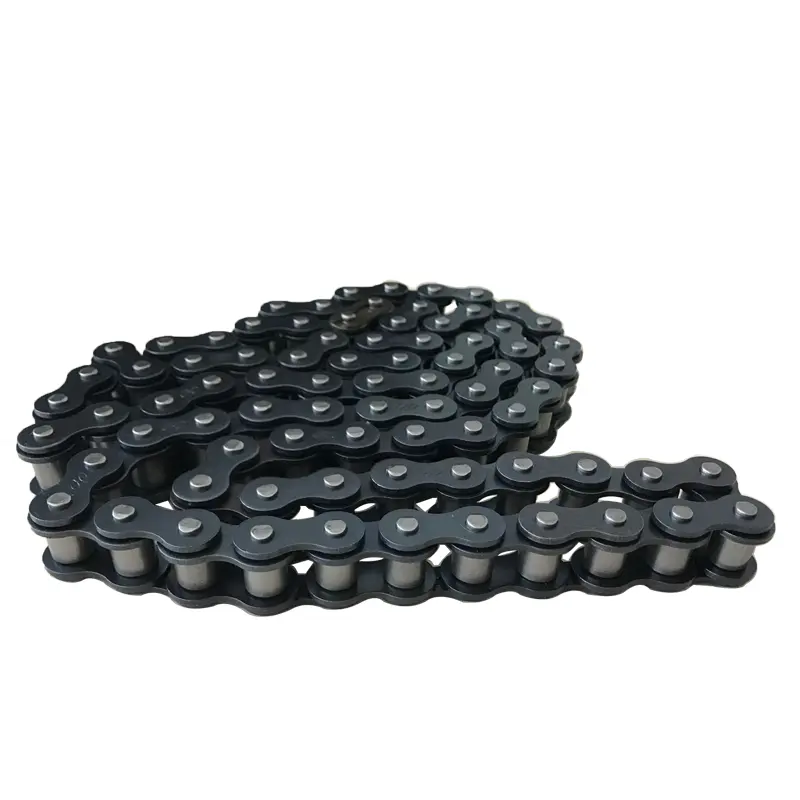
| Item Name | REECO Motorcycle Roller Chain |
| Model | 428H |
| Applicant | HONDA,YAMAHA,SUZUKI,BAJAJ,TVS… |
| Payment | T/T, L/C, DP |
| Package | REECO BOX |
| Delivery Time | 40 Days |
| Warranty | 6 Monthes |
| Port of Shipment | ZheJiang /HangZhou/HangZhou |
Detailed Photos
Certifications
Company Profile
Founded in 1992,HangZhou Really Trading Co.,Ltd is 1 of the leading exporters of Motorcycle,Three-Wheeler,Automotive & Generator parts in China.With a 25 years experience & professional knowledge, we assue guranteed quality,most competitive price & prompt delivery. Up to now, we have already exported to many countries including Pakistan,Iran,Bangladesh, Indonesia,Philippines,Mid-east and South American countries.In 2571, our annual turn over is more than 40 million US$.
In 2011,We established HangZhou Really Vehicle Parts MFG CO.,Ltd, an ISO/TS16949 certified factory with a coverage of 30,000 Square Meters
, specially manufactures OE & After-Market Quality Brake Pad for Motorcycle, ATV, Passenger Car & Trucks by Germany Technology and QC system. Now, really brakes has become 1 of the famous and major suppliers of high quality Original Equipment(OE) and CZPT disc brake pads in China and abroad.
“pursuit of the best in the best” became our company motto,We will continuously study the market and keep in improving our products & service to the increasingly demand of the market.
Today,our “Reeco” Genuine Parts are getting more and more popular by our customers all over the world.we warmly welcome old and new customers to visit us for the promotion of mutual friendship and the building-up of our long-term business relationship.
QC DEPARTMENT
OFFICE & OUR TEAM
| After-sales Service: | 6 Monthes |
|---|---|
| Warranty: | 6 Monthes |
| Type: | Motorcycle Transmissions |
| Certification: | CCC, CE |
| Material: | Alloy |
| OEM: | Yes |
| Samples: | US$ 5/Piece 1 Piece(Min.Order) | |
|---|
| Customization: | Available | Customized Request |
|---|
Are there any special considerations for installing roller chains?
Proper installation of roller chains is crucial to ensure their optimal performance and longevity. Here are some key considerations for installing roller chains:
1. Alignment: Ensure proper alignment of the sprockets to prevent side loading and premature wear. The sprockets should be aligned parallel to each other and positioned at the correct distance according to the chain’s pitch.
2. Tension: Proper chain tension is essential for smooth operation and to prevent excessive wear. Follow the manufacturer’s recommendations for the appropriate tension based on the specific chain type and application. It’s important to achieve the correct tension without over-tightening, as excessive tension can lead to increased stress and accelerated wear.
3. Lubrication: Apply the appropriate lubricant to the roller chain during installation. Lubrication helps reduce friction, wear, and heat generation. Follow the manufacturer’s recommendations for the type and frequency of lubrication based on the operating conditions and chain design. Ensure even distribution of lubricant along the chain’s length.
4. Sprocket Teeth Engagement: Check that the chain properly engages with the teeth of the sprockets. The chain should fit snugly into the sprocket teeth without excessive clearance or interference. Incorrect engagement can cause slippage, uneven wear, and premature failure.
5. Chain Length: Ensure that the chain length is appropriate for the application. Avoid excessive slack or excessive tension by adjusting the chain length accordingly. An incorrectly sized chain can lead to poor performance, increased wear, and potential damage to the chain and sprockets.
6. Protection: Consider using chain guards or covers to protect the roller chain from external contaminants such as dust, dirt, or debris. This helps minimize wear and extends the chain’s lifespan, particularly in harsh or dirty environments.
7. Regular Inspection: Regularly inspect the roller chain and sprockets for signs of wear, damage, or misalignment. Monitor the chain’s performance and address any issues promptly to avoid further damage and prevent unexpected downtime.
8. Proper Tools and Techniques: Use appropriate tools and techniques during installation to ensure accuracy and prevent damage to the chain or components. Follow the manufacturer’s guidelines or consult with experts for specific installation instructions.
By following these considerations and best practices, you can ensure proper installation of roller chains and maximize their performance and durability in your application.
How do roller chains handle lateral loads?
Roller chains are primarily designed to handle axial loads, which are loads acting in the direction of the chain’s axis. However, roller chains can also tolerate a certain degree of lateral loads, which are loads acting perpendicular to the chain’s axis. Here’s a detailed answer to the question:
1. Sprocket Alignment: Proper sprocket alignment is crucial for roller chains to effectively handle lateral loads. The sprockets must be aligned in a parallel and concentric manner to ensure that the chain tracks properly and experiences minimal lateral force. Misaligned sprockets can cause the chain to derail or experience excessive wear due to uneven loading.
2. Tolerance for Lateral Misalignment: Roller chains have some tolerance for lateral misalignment between the sprockets. This means that the chain can tolerate a slight deviation from a perfectly straight line between the sprockets. The chain’s side plates and rollers are designed to provide some flexibility, allowing the chain to adjust to minor lateral forces without significant problems.
3. Guide Rails or Flanges: In applications where lateral loads are more significant, guide rails or flanges can be employed to help keep the roller chain aligned and prevent excessive lateral movement. These additional components act as guides and help control the chain’s lateral displacement, ensuring that it remains on the sprockets and operates smoothly.
4. Chain Tension: Proper chain tension is crucial for handling lateral loads. A well-tensioned chain minimizes slack and reduces the chances of lateral movement. It helps keep the chain engaged with the sprockets and ensures that the load is evenly distributed across the chain’s width.
It’s important to note that roller chains have a primary function of transmitting power and handling axial loads. While they can handle some lateral loads within their design limits, excessive lateral forces can lead to chain derailment, increased wear, and reduced performance. Therefore, it’s essential to design the system properly, consider the anticipated lateral loads, and ensure proper alignment and tension to maintain the chain’s integrity and performance.
What are some common causes of roller chain failure?
Roller chain failure can occur due to various factors. Here’s a detailed answer to the question:
1. Insufficient Lubrication: One of the primary causes of roller chain failure is inadequate lubrication. Insufficient lubrication leads to increased friction, heat generation, and wear between the chain’s components, such as pins, bushings, and rollers. Over time, this can cause the chain to seize up, deform, or break.
2. Contamination: Contamination of the roller chain with dirt, dust, debris, or foreign particles can accelerate wear and increase the risk of failure. These contaminants can penetrate the chain’s joints, causing abrasive action and reducing the effectiveness of lubrication. Contamination can also cause corrosion, leading to weakened chain links.
3. Misalignment: Improper alignment of the sprockets and other drivetrain components can cause excessive side loading, uneven wear, and accelerated fatigue on the roller chain. Misalignment can result from improper installation, worn sprockets, or misaligned shafts, and it can lead to premature chain failure.
4. Overloading: Subjecting the roller chain to loads beyond its rated capacity can cause stress and fatigue, leading to chain failure. Overloading can occur due to improper application design, sudden shock loads, or continuous operation near or beyond the chain’s maximum load limit.
5. Wear and Fatigue: Over time, roller chains experience wear and fatigue due to normal usage. As the chain articulates around the sprockets, the pins, bushings, and rollers undergo cyclic stress, which can lead to wear, elongation, and eventually chain failure if not addressed through regular maintenance and replacement.
6. Corrosion: Exposure to corrosive environments, such as high humidity, chemicals, or saltwater, can cause corrosion on the roller chain. Corrosion weakens the chain’s structural integrity, leading to reduced load-carrying capacity and increased susceptibility to failure.
Proper maintenance, including regular lubrication, cleaning, inspection for wear and alignment, and avoiding overloading or exposure to harsh environments, is crucial to prevent roller chain failure. Timely replacement of worn or damaged chains and addressing any underlying issues that contribute to chain failure is essential for ensuring the reliable and safe operation of machinery or equipment.


editor by CX 2023-07-19