
Descrição do produto
Double Pitch Transmission Chains with K1 Attachments -2040k1
A. Our Services:
1. Any of your kind inquiry about chain would be replied within 24 hours.
2. Well-trained and experienced sales staffs will reply all your concerns in fluent English.
3. OEM services are available with us, our professional designer would make your private idea into being.
4. Protection of your sales area, ideas of design and all your private information.
5. Delivery by air mail or ship for your orders.
6. With years of manufacture and promotion experience in global market, brings you profit and great success!
B.Technical parameters
C. Company show & Product Process
D. Packaging
| Packaging Details: | Chain+Plastic Bag+Neutral Box+Wooden case+Big Carton+Steel Pallets |
| Delivery Detail: | five weeks |
E. FAQ:
1. Are you manufacturer or trade Company?
We are a factory founded in 1991 with trade team for international service.
2. What terms of payment you usually use?
T/T 30% deposit and 70% against document, Western Union, L/C at sight
3. what is your lead time for your goods?
Normally 45 days after confirmed order. 30 days could be available in low season for some items (during May to July), and 65 days during new year and hot season ( Jan to March).
4. Do you attend any Show?
We attend Hannover show in Germany, NMW in Austrilia, Canton fair, PTC, in China and many other special furniture shows.
| Uso: | Corrente de transmissão |
|---|---|
| Material: | Alloy/Carbon Steel |
| Tratamento de superfície: | Oil Blooming |
| Recurso: | Resistente ao calor |
| Tamanho da corrente: | 1/2"*3/32" |
| Estrutura: | Corrente de rolos |
| Customization: | Available | Customized Request |
|---|
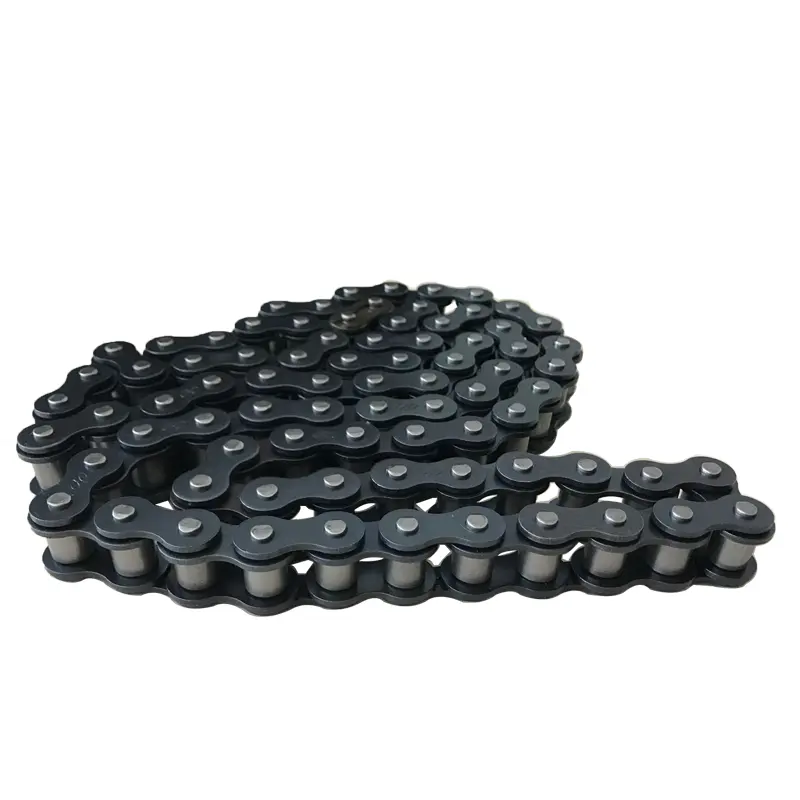
Are there any special considerations for installing roller chains?
Proper installation of roller chains is crucial to ensure their optimal performance and longevity. Here are some key considerations for installing roller chains:
1. Alignment: Ensure proper alignment of the sprockets to prevent side loading and premature wear. The sprockets should be aligned parallel to each other and positioned at the correct distance according to the chain’s pitch.
2. Tension: Proper chain tension is essential for smooth operation and to prevent excessive wear. Follow the manufacturer’s recommendations for the appropriate tension based on the specific chain type and application. It’s important to achieve the correct tension without over-tightening, as excessive tension can lead to increased stress and accelerated wear.
3. Lubrication: Apply the appropriate lubricant to the roller chain during installation. Lubrication helps reduce friction, wear, and heat generation. Follow the manufacturer’s recommendations for the type and frequency of lubrication based on the operating conditions and chain design. Ensure even distribution of lubricant along the chain’s length.
4. Sprocket Teeth Engagement: Check that the chain properly engages with the teeth of the sprockets. The chain should fit snugly into the sprocket teeth without excessive clearance or interference. Incorrect engagement can cause slippage, uneven wear, and premature failure.
5. Chain Length: Ensure that the chain length is appropriate for the application. Avoid excessive slack or excessive tension by adjusting the chain length accordingly. An incorrectly sized chain can lead to poor performance, increased wear, and potential damage to the chain and sprockets.
6. Protection: Consider using chain guards or covers to protect the roller chain from external contaminants such as dust, dirt, or debris. This helps minimize wear and extends the chain’s lifespan, particularly in harsh or dirty environments.
7. Regular Inspection: Regularly inspect the roller chain and sprockets for signs of wear, damage, or misalignment. Monitor the chain’s performance and address any issues promptly to avoid further damage and prevent unexpected downtime.
8. Proper Tools and Techniques: Use appropriate tools and techniques during installation to ensure accuracy and prevent damage to the chain or components. Follow the manufacturer’s guidelines or consult with experts for specific installation instructions.
By following these considerations and best practices, you can ensure proper installation of roller chains and maximize their performance and durability in your application.
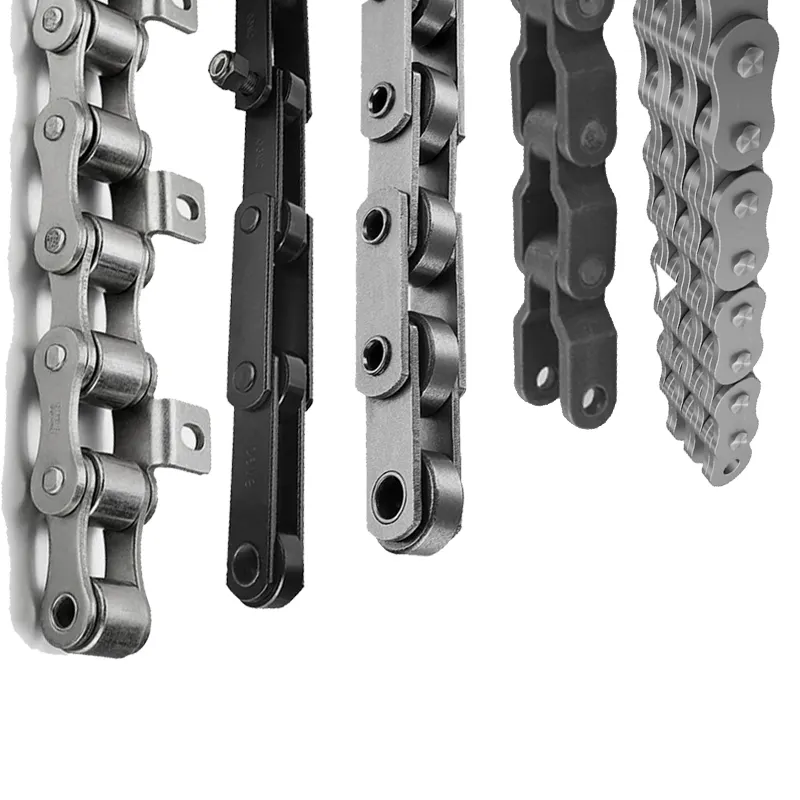
Correntes de rolos podem ser usadas para transmissão de potência em equipamentos industriais?
Sim, as correntes de rolos são amplamente utilizadas para transmissão de potência em diversos equipamentos e máquinas industriais. Aqui está uma resposta detalhada para a pergunta:
1. Versatilidade: As correntes de rolos são conhecidas por sua versatilidade e podem ser usadas em uma ampla gama de aplicações industriais. Elas são comumente empregadas em máquinas como transportadores, agitadores, misturadores, guindastes, elevadores, equipamentos de embalagem, sistemas de movimentação de materiais e muitos outros tipos de equipamentos industriais.
2. Transmissão de Potência: As correntes de rolos são excelentes na transmissão de potência de um eixo rotativo para outro. Elas podem transferir torque elevado com eficiência e suportar cargas pesadas, tornando-as adequadas para aplicações industriais exigentes onde a transmissão de potência é necessária.
3. Capacidade de Carga: As correntes de rolos são projetadas para suportar cargas significativas e fornecer transmissão de potência confiável. Estão disponíveis em vários tamanhos e resistências, permitindo a personalização com base nos requisitos de carga específicos do equipamento industrial.
4. Durabilidade: As correntes de rolos são projetadas para serem duráveis e suportarem as condições operacionais severas normalmente encontradas em ambientes industriais. Elas são fabricadas com materiais de alta qualidade e passam por processos de tratamento térmico para aumentar sua resistência e durabilidade, bem como sua resistência ao desgaste, à fadiga e ao alongamento.
5. Eficiência: As correntes de rolos oferecem alta eficiência de transmissão devido ao seu engate preciso com as rodas dentadas. Os rolos da corrente engatam nos dentes da roda dentada, minimizando o deslizamento e garantindo uma transferência de potência confiável. Isso resulta em operação eficiente e desempenho otimizado de equipamentos industriais.
6. Manutenção fácil: As correntes de rolos são relativamente fáceis de manter, especialmente quando comparadas a outros sistemas de transmissão de potência. A lubrificação adequada e a inspeção periódica são essenciais para garantir o bom funcionamento e prolongar a vida útil da corrente. Rotinas regulares de manutenção podem ser implementadas para manter as correntes em ótimas condições e minimizar o tempo de inatividade.
7. Relação custo-benefício: As correntes de rolos são geralmente econômicas em comparação com outros métodos de transmissão de potência. Elas oferecem um equilíbrio entre desempenho, durabilidade e preço acessível, o que as torna uma escolha popular para transmissão de potência em equipamentos industriais.
Em resumo, as correntes de rolos são ideais para transmissão de potência em equipamentos industriais devido à sua versatilidade, capacidade de carga, durabilidade, eficiência, facilidade de manutenção e custo-benefício. Ao selecionar correntes de rolos para aplicações industriais, é importante considerar fatores como requisitos de carga, velocidade, condições ambientais e compatibilidade com o equipamento específico para garantir desempenho ideal e longa vida útil.
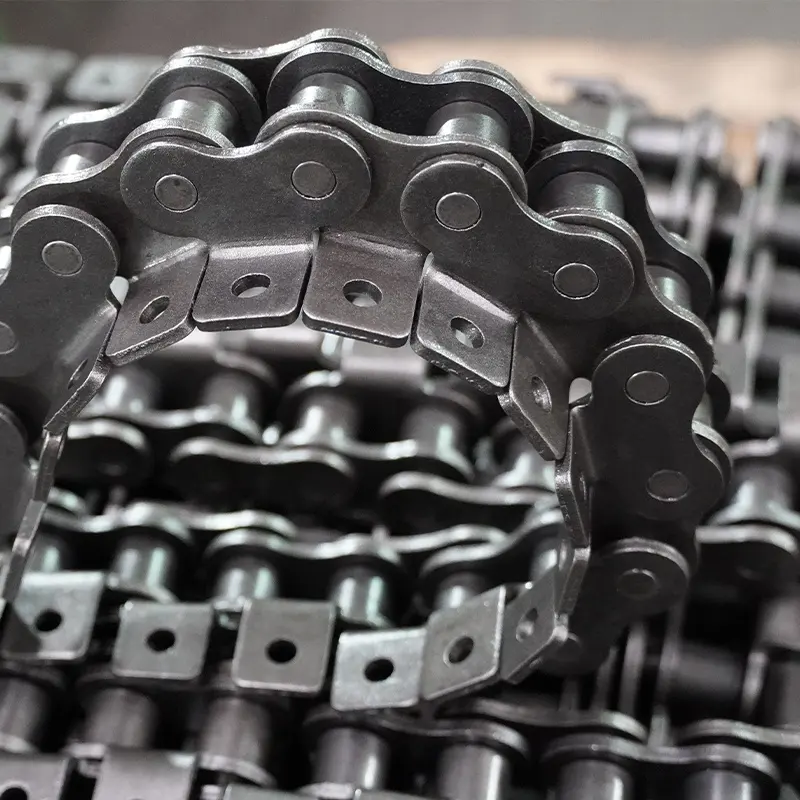
Can roller chains be repaired or must they be replaced?
When it comes to roller chains, repair options are limited, and in most cases, replacement is recommended. Here’s a detailed answer to the question:
1. Limited Repair Options: Roller chains are typically not designed to be easily repaired. The individual components of the chain, such as the pins, bushings, and rollers, undergo wear and fatigue over time, making it difficult to restore the chain to its original condition through repair.
2. Safety Considerations: Roller chains play a critical role in transmitting power and ensuring the safe operation of machinery or equipment. Any repair attempt that compromises the chain’s integrity or reduces its load-carrying capacity can pose safety risks. Therefore, it is generally recommended to replace worn or damaged roller chains to maintain the highest level of safety.
3. Cost-Effectiveness: In most cases, replacing a worn or damaged roller chain is more cost-effective than attempting to repair it. The cost of labor, specialized tools, and the uncertainty of the repaired chain’s performance and lifespan make replacement a more viable option.
4. System Integration: Roller chains are often part of a larger system or machinery. In some cases, repairing a single chain link or component may disrupt the system’s overall performance and cause compatibility issues. Replacing the chain ensures proper integration and avoids potential complications.
While repair options for roller chains are limited, regular inspection and maintenance can help identify wear or damage early on. Timely replacement of worn or damaged chains is crucial to prevent unexpected failures, reduce downtime, and maintain the efficiency and safety of the machinery or equipment.


editor by CX 2023-07-28