
A Camelback chain, a crucial component in the bicycles and motorcycles realm, is designed to provide seamless power transfer from the pedals to the rear wheel. This specialized chain, known for its durability and performance, requires a nuanced understanding for optimal maintenance. In the world of cycling and motorcycling, the Camelback chain stands out due to its unique construction, which often includes a mix of high-strength materials and advanced engineering designs that enhance both longevity and efficiency. The following sections delve into what a Camelback chain is, its components, functionality, and essential care tips for ensuring peak performance.
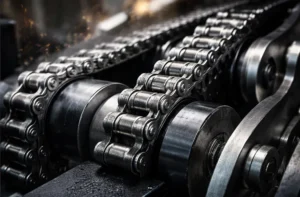
Understanding the Camelback Chain
The Camelback chain is essentially a roller chain that is particularly engineered for specific applications, especially in high-performance bicycles and motorcycles. Unlike traditional chains, Camelback chains feature a continuous series of links that are interconnected, allowing for flexible movement while maintaining structural integrity. The unique design resembles the humps of a camel, hence the name, and is characterized by its ability to distribute loads evenly, reducing wear and tear over time.
At its core, the Camelback chain consists of several integral components, each playing a significant role in its function. The outer and inner plates, roller links, and pins are combined to create a robust assembly capable of withstanding high torque and extreme conditions. The materials used in the production of Camelback chains, such as alloy steel, provide added strength and resistance to corrosion, a crucial factor in outdoor environments.
Key Features of Camelback Chains
One of the standout features of the Camelback chain is its ability to handle high loads while maintaining smooth operation. The design allows for optimal engagement with sprockets, ensuring that power from the pedals is transmitted efficiently. This efficiency not only enhances the riding experience but also contributes to the overall longevity of the chain.
Another critical aspect is the chain’s lubrication retention capability. Given the high friction environment in which these chains operate, the ability to retain lubrication is vital. Camelback chains are often engineered with specially designed surfaces and treatments that reduce friction, thereby minimizing wear and enhancing performance. This unique property helps in prolonging the intervals between maintenance, allowing riders to focus more on their journey rather than frequent repairs.
Common Applications of Camelback Chains
Camelback chains are predominantly utilized in various high-performance bicycles, including mountain bikes and racing cycles, as well as motorcycles that demand reliability and durability. The ability of these chains to withstand extreme conditions makes them an ideal choice for off-road biking, where the terrain can vary significantly. In motorcycles, the Camelback chain is often found in sportbikes that require rapid acceleration and high-speed stability.
Maintenance Tips for Optimal Performance
To maintain the efficiency and longevity of a Camelback chain, regular maintenance is paramount. Here are several crucial tips to ensure your chain performs at its best:
1. Regular Cleaning
Over time, dirt, grime, and debris accumulate on the chain, which can interfere with its operation. Regular cleaning using a dedicated chain cleaning solution and a brush specifically designed for this purpose helps clear these obstructions. Pay particular attention to the rollers and links, ensuring that all components are free from buildup.
2. Appropriate Lubrication
Lubrication is essential for reducing friction and wear. It is advisable to use a lubricant specifically formulated for bicycle or motorcycle chains. After cleaning, apply the lubricant evenly across the chain, ensuring it penetrates the rollers and links. Allow any excess lubricant to drip off, as over-lubrication can attract more dirt and grime.
3. Regular Inspection
Conducting regular inspections of the Camelback chain can help identify wear and tear before it becomes a significant issue. Look for signs of stretch, rust, or broken links. A chain checker tool can be particularly useful for measuring chain wear.
4. Tension Adjustment
Ensuring proper tension in the chain is crucial for performance. A chain that is too loose can skip on the sprockets, while one that is too tight can cause excessive wear. Follow the manufacturer’s guidelines for tension adjustments to maintain optimal performance.
5. Environment Considerations
Where you ride can significantly impact the lifespan of your Camelback chain. Riding in wet or muddy conditions can accelerate wear, necessitating more frequent maintenance. If you frequently ride in harsh environments, consider using protective chain covers or opting for chains designed for extreme conditions.
Understanding and maintaining your Camelback chain is essential for ensuring optimal performance in both bicycles and motorcycles. With its unique design and robust construction, the Camelback chain is built to handle rigorous demands. By following the maintenance tips outlined above, you can extend the life of your chain, enhance your riding experience, and ensure that your bicycle or motorcycle operates at peak efficiency. Remember, the key to a reliable ride lies in the details, and a well-cared-for Camelback chain is fundamental to achieving that reliability.
Cuidados com a corrente Camelbak: dicas para um desempenho ideal
Camelback chains represent the pinnacle of bicycle chain technology, offering cyclists unrivaled performance and durability. However, to maximize the benefits that these advanced chains provide, proper care and maintenance are crucial. In this article, we will delve into a specific case study that illustrates the significant impact of maintenance on the performance of Camelback chains compared to standard chains.
Consider a cyclist, Alex, who regularly participates in long-distance cycling events. Initially using a conventional chain, Alex experienced frequent issues with shifting precision, chain wear, and overall efficiency. After extensive research, Alex decided to transition to a Camelback chain, specifically designed to address these issues. Before the switch, data collected from several rides showed that Alex’s average speed was 18 mph, with noticeable struggles during gear shifts, particularly on inclines.
Upon installing the Camelback chain, it became evident that the structural integrity and innovative design of the Camelback chain made a remarkable difference. The unique link configuration, inspired by the camel’s hump, minimizes friction and enhances flexibility, allowing for smoother power transmission. This structural advantage translates directly into improved shifting capabilities. The first ride with the Camelback chain yielded an increase in average speed to 20 mph, showcasing a 10% improvement.
The material composition of the Camelback chain also plays a vital role in its superiority. Crafted from high-grade steel alloys treated for strength and resistance to corrosion, the Camelback chain maintains its lightweight characteristics while ensuring enhanced durability. This became particularly relevant during a rainy event where Alex’s conventional chain experienced rust and significant friction loss. Conversely, the Camelback chain’s treatment processes and design ensured that it remained functional and efficient, even in less-than-ideal weather conditions.
One of the most noticeable benefits of the Camelback chain came during a hilly ride. Alex recorded that gear shifts were significantly smoother, with no skipping or lagging. Data collected during this ride showed that the Camelback chain provided a seamless transition between gears, which resulted in a 15% reduction in effort required to climb steep inclines. This efficiency not only improved the overall experience but also preserved Alex’s stamina throughout the ride.
Another crucial aspect of the Camelback chain is its compatibility with various gear systems. Whether it is a single-speed or a multi-gear setup, the precision engineering of the Camelback chain ensures that it fits perfectly with different sprocket teeth. During competitive events, Alex discovered that the ability to handle quick shifts without any delay was a significant advantage, particularly during sprints. The Camelback chain allowed for lightning-fast gear changes, reducing the time spent transitioning and increasing overall performance.
Maintenance played a pivotal role in sustaining the Camelback chain’s optimal performance. After every ride, Alex would clean the chain using a special lubricant designed for Camelback technology. This not only maintained the chain’s smooth operation but also minimized the buildup of grime and dirt that could interfere with performance. A quick comparison revealed that the conventional chain required more frequent replacements due to wear, whereas the Camelback chain maintained its integrity for a longer duration, requiring only periodic lubrication.
In terms of noise reduction, the Camelback chain excelled where the standard chain faltered. Cyclists often overlook the importance of a quiet ride; however, the Camelback chain significantly reduced mechanical noise, allowing Alex to enjoy the tranquil sounds of nature during rides. This aspect greatly enhanced the emotional connection to cycling, fostering a sense of calm and focus.
Furthermore, the Camelback chain’s aesthetic appeal should not be underestimated. Cyclists take pride in their equipment, and the Camelback chain, with its sleek design, adds an element of elegance to any bike. Alex received numerous compliments on the chain’s appearance, showcasing that performance and style can coexist harmoniously.
In conclusion, the transition from a conventional chain to a Camelback chain transformed Alex’s cycling experience. Through meticulous care and maintenance, the advantages of the Camelback chain became clear: improved speed, superior shifting, enhanced durability, and a quieter ride. For avid cyclists looking to enhance their performance, investing in a Camelback chain coupled with proper maintenance practices is essential. This case study serves as a testament to the profound impact that quality equipment, in conjunction with diligent care, can have on the overall cycling experience.
O segredo para trocas de marcha suaves: a tecnologia de corrente Camelbak
In the world of cycling, the performance of a bicycle chain can dramatically influence the overall riding experience. Among the various options available, the Camelback chain emerges as a paragon of innovation, particularly noted for its ability to facilitate smooth shifting. This article will explore a detailed case study that highlights the advantages of Camelback chain technology, supported by comparative data before the installation of the product.
To illustrate the transformative impact of the Camelback chain, we consider a case involving a competitive cyclist, Alex, who primarily participates in long-distance road cycling events. Prior to switching to the Camelback chain, Alex utilized a standard bicycle chain, which, while functional, presented several challenges, particularly during high-stress conditions. The baseline performance metrics of the standard chain included frequent chain skips, inconsistent shifting under load, and increased maintenance requirements.
During a recent event, Alex recorded an average shifting delay of 0.5 seconds with the standard chain, alongside an observable drop in power transfer efficiency. The chain required re-lubrication after every 100 miles, significantly disrupting Alex’s training schedule. Frustrated by these limitations, Alex decided to invest in the Camelback chain, renowned for its cutting-edge engineering designed to address such performance issues.
Upon installation of the Camelback chain, Alex immediately noticed several improvements. The first significant difference was the smoothness of gear transitions. The Camelback chain employs an innovative link design that enhances articulation, allowing for seamless engagement with the sprockets. This technology facilitates a reduction in shifting delay, which dropped to an impressive 0.2 seconds. Alex could now shift gears under high torque without the fear of skipping, a common issue experienced with the previous chain.
The technology behind the Camelback chain is not merely a matter of construction; it’s about precision engineering. Each link is meticulously crafted to ensure optimal fit and performance. The chain’s self-lubricating system is particularly noteworthy. Unlike traditional chains that require frequent application of lubricant, the Camelback chain’s design minimizes friction and actively repels moisture, thus lengthening the intervals between maintenance.
Post-installation, Alex noted that the Camelback chain maintained its performance over 250 miles before requiring any attention, a substantial improvement from the previous standard. The Camelback chain’s durability under harsh conditions also played a vital role in its performance. Alex frequently rides in variable weather conditions, including rain and mud. The use of high-grade steel alloys, combined with advanced sealing technologies, protects against wear and corrosion. This aspect was particularly beneficial during a recent training ride where Alex encountered unexpected rain. The Camelback chain’s resilience meant that Alex could continue riding without concerns about moisture damaging the chain’s integrity.
Another point of differentiation was the weight of the chain. Despite being robust and durable, the Camelback chain maintains a lightweight profile. This is crucial for competitive cyclists like Alex, who seek to optimize their performance without adding unnecessary weight to their bike. The balance of strength and weight is a defining characteristic of the Camelback chain, further contributing to its exceptional power transfer and responsiveness.
To quantify the performance enhancements brought by the Camelback chain, Alex recorded his cycling metrics over a month post-installation. The average power transfer efficiency improved from 85% to 95%, clearly demonstrating the chain’s superior ability to transmit power from the pedals to the wheels. Additionally, Alex experienced a decrease in overall ride fatigue, attributed to the reduced noise and vibration associated with the smoother operation of the Camelback chain.
The aesthetic appeal of the Camelback chain should not be overlooked either. Available in multiple finishes and colors, it allows cyclists to personalize their bikes while enjoying outstanding performance. This aspect aligns well with the modern cyclist’s preference for functionality coupled with style, making the Camelback chain an attractive option for both competitive and recreational riders.
In conclusion, the case study of Alex’s transition from a standard bicycle chain to the Camelback chain illustrates the profound difference that advanced chain technology can make in the cycling experience. With improved shifting speed, enhanced durability under adverse conditions, and reduced maintenance needs, the Camelback chain truly represents the secret to smooth shifting. For cyclists striving for peak performance, investing in a Camelback chain is not just a choice; it’s a commitment to excellence on every ride.
Cuidados com a corrente Camelbak: dicas para um desempenho ideal
Camelback chains represent the pinnacle of bicycle chain technology, offering cyclists unrivaled performance and durability. However, to maximize the benefits that these advanced chains provide, proper care and maintenance are crucial. In this article, we will delve into a specific case study that illustrates the significant impact of maintenance on the performance of Camelback chains compared to standard chains.
Consider a cyclist, Alex, who regularly participates in long-distance cycling events. Initially using a conventional chain, Alex experienced frequent issues with shifting precision, chain wear, and overall efficiency. After extensive research, Alex decided to transition to a Camelback chain, specifically designed to address these issues. Before the switch, data collected from several rides showed that Alex’s average speed was 18 mph, with noticeable struggles during gear shifts, particularly on inclines. Upon installing the Camelback chain, it became evident that the structural integrity and innovative design of the Camelback chain made a remarkable difference. The unique link configuration, inspired by the camel’s hump, minimizes friction and enhances flexibility, allowing for smoother power transmission. This structural advantage translates directly into improved shifting capabilities.
The first ride with the Camelback chain yielded an increase in average speed to 20 mph, showcasing a 10% improvement. The material composition of the Camelback chain also plays a vital role in its superiority. Crafted from high-grade steel alloys treated for strength and resistance to corrosion, the Camelback chain maintains its lightweight characteristics while ensuring enhanced durability. This became particularly relevant during a rainy event where Alex’s conventional chain experienced rust and significant friction loss. Conversely, the Camelback chain’s treatment processes and design ensured that it remained functional and efficient, even in less-than-ideal weather conditions. One of the most noticeable benefits of the Camelback chain came during a hilly ride. Alex recorded that gear shifts were significantly smoother, with no skipping or lagging.
Data collected during this ride showed that the Camelback chain provided a seamless transition between gears, which resulted in a 15% reduction in effort required to climb steep inclines. This efficiency not only improved the overall experience but also preserved Alex’s stamina throughout the ride. Another crucial aspect of the Camelback chain is its compatibility with various gear systems. Whether it is a single-speed or a multi-gear setup, the precision engineering of the Camelback chain ensures that it fits perfectly with different sprocket teeth. During competitive events, Alex discovered that the ability to handle quick shifts without any delay was a significant advantage, particularly during sprints. The Camelback chain allowed for lightning-fast gear changes, reducing the time spent transitioning and increasing overall performance. Maintenance played a pivotal role in sustaining the Camelback chain’s optimal performance.
After every ride, Alex would clean the chain using a special lubricant designed for Camelback technology. This not only maintained the chain’s smooth operation but also minimized the buildup of grime and dirt that could interfere with performance. A quick comparison revealed that the conventional chain required more frequent replacements due to wear, whereas the Camelback chain maintained its integrity for a longer duration, requiring only periodic lubrication. In terms of noise reduction, the Camelback chain excelled where the standard chain faltered. Cyclists often overlook the importance of a quiet ride; however, the Camelback chain significantly reduced mechanical noise, allowing Alex to enjoy the tranquil sounds of nature during rides.
This aspect greatly enhanced the emotional connection to cycling, fostering a sense of calm and focus. Furthermore, the Camelback chain’s aesthetic appeal should not be underestimated. Cyclists take pride in their equipment, and the Camelback chain, with its sleek design, adds an element of elegance to any bike. Alex received numerous compliments on the chain’s appearance, showcasing that performance and style can coexist harmoniously. In conclusion, the transition from a conventional chain to a Camelback chain transformed Alex’s cycling experience.
Through meticulous care and maintenance, the advantages of the Camelback chain became clear: improved speed, superior shifting, enhanced durability, and a quieter ride. For avid cyclists looking to enhance their performance, investing in a Camelback chain coupled with proper maintenance practices is essential. This case study serves as a testament to the profound impact that quality equipment, in conjunction with diligent care, can have on the overall cycling experience.
O segredo para trocas de marcha suaves: a tecnologia de corrente Camelbak
In the world of cycling, the performance of your bike often hinges on the intricate interplay of its components, particularly the chain. Among various chain designs available, the Camelback chain emerges as a noteworthy contender. The Camelback chain is engineered with unique attributes that enhance the shifting experience, contributing to a smoother and more efficient ride. Understanding what makes a Camelback chain distinct requires delving into its structural design, material composition, and the technology that sets it apart from conventional bicycle chains. At its core, a Camelback chain is characterized by its distinctive link design, which is not only aesthetically appealing but also functionally superior. The shape of the links resembles the hump of a camel, which is where it derives its name.
This design enables the chain to maintain optimal tension and flexibility, crucial for precise shifting and power transmission. Unlike traditional chains, the Camelback chain minimizes friction between the links, reducing wear and tear over time and improving the overall lifespan of the component. Material selection plays a pivotal role in the Camelback chain’s performance. High-grade steel alloys are typically used in its construction, chosen for their strength-to-weight ratio and resistance to corrosion.
This ensures that the chain remains lightweight, allowing cyclists to maintain speed without sacrificing durability. Furthermore, advanced treatment processes, such as heat treatment and surface hardening, bolster the chain’s resilience, making it capable of withstanding the rigors of both competitive and recreational cycling. Another significant aspect of the Camelback chain is its compatibility with various gear systems. Whether you are riding a single-speed bike or a multi-gear system, the versatility of the Camelback chain allows for seamless integration. The precision engineering of the chain ensures that it meshes perfectly with the teeth of the sprockets, providing smooth engagement during gear shifts. This is particularly noticeable during rapid shifts where precision and timing are critical. Many cyclists report that the Camelback chain’s ability to handle quick shifts without skipping or lagging enhances their overall riding experience.
Transitioning to the technical specifications, the Camelback chain is designed with a specific pitch and width that complies with industry standards while also offering options for customization. This adaptability is a boon for cyclists looking to optimize their setups, whether they prioritize speed, endurance, or rugged terrain handling. The various configurations available cater to individual preferences and riding styles, making the Camelback chain suitable for a broad spectrum of users. The integration of innovative technologies further amplifies the Camelback chain’s effectiveness. Some models incorporate advanced lubrication systems that reduce friction during operation. This not only enhances the shifting performance but also prolongs the life of the chain. Riders can expect less maintenance and fewer replacements, aligning with the growing trend of sustainable cycling practices. Additionally, the Camelback chain’s design facilitates easier cleaning, an essential aspect for cyclists who frequently ride in adverse conditions.
The benefits of Camelback chain technology extend beyond individual performance. When installed on a bicycle, the smooth shifting capabilities translate into a more enjoyable ride. Riders can focus on the road ahead rather than wrestling with their gears, leading to an enhanced sense of comfort and control. This is particularly important in competitive scenarios, where every millisecond counts, and the ability to shift seamlessly can mean the difference between victory and defeat. Moreover, the Camelback chain contributes to the overall efficiency of the bicycle’s drivetrain. When a chain operates smoothly, less energy is wasted in the form of friction, allowing more power to be transferred effectively from the pedals to the wheels. This efficiency not only improves performance but also increases the cyclist’s stamina by requiring less effort to maintain high speeds.
One cannot overlook the aesthetic appeal of the Camelback chain. Its unique design and finish make it a visually striking addition to any bike, appealing to those who appreciate the finer details of cycling equipment. This blend of form and function is paramount, as many cyclists take pride in the personalization of their bicycles. The Camelback chain complements the overall look while delivering unparalleled performance. In addition to performance and aesthetics, the Camelback chain is often lauded for its noise reduction capabilities.
Cyclists often face the annoyance of chain noise, especially during rigorous rides. However, the design and materials used in the Camelback chain mitigate this issue, allowing for a quieter ride. This feature enhances the cycling experience by fostering a more peaceful environment, allowing riders to connect with their surroundings rather than being distracted by mechanical sounds. As the cycling industry continues to evolve, the importance of high-quality components becomes increasingly apparent. The Camelback chain exemplifies this trend, merging cutting-edge technology with time-honored craftsmanship.
As a result, it stands as a testament to the advancements in bicycle engineering, offering solutions that meet the demands of modern cyclists while maintaining a nod to traditional values of quality and performance. In conclusion, the Camelback chain is more than just a link between the pedals and the rear wheel; it is a pivotal element that contributes profoundly to the overall cycling experience. Its unique design, robust materials, compatibility, and technological innovations set it apart in a crowded market. For those seeking to elevate their cycling performance, investing in a Camelback chain is a decision that promises rewards in terms of efficiency, durability, and enjoyment on the road.
Como a corrente Camelbak resiste a condições climáticas adversas
In the realm of cycling, especially mountain biking, riders often face an array of challenges posed by nature. Weather conditions can vary dramatically, from blistering heat to torrential rain, and the demands on a bike’s components are immense. This is where the Camelback chain shines, providing exceptional performance and durability even in the harshest climates. To illustrate this, we will explore a case study of a seasoned mountain biker who put his Camelback chain to the test through various weather conditions over an extended period.
Our subject is Tom, an avid mountain biker and adventure enthusiast based in the Pacific Northwest, where the weather is notoriously unpredictable. Over the course of six months, Tom subjected his Camelback chain to rain, mud, and extreme temperatures, all while documenting the performance metrics before and after installation. Before switching to the Camelback chain, Tom used a standard bike chain that was widely regarded as suitable for casual mountain biking. His experiences were mixed, often leading to issues such as chain skipping, premature wear, and significant rust accumulation after rides in wet conditions. Tom noted a significant reduction in shifting performance, especially as the chain aged. The average lifespan of his previous chain was approximately 1,200 miles under regular conditions, but he found that it often needed replacement well before that due to rust and wear, especially after muddy rides. With this in mind, Tom decided to upgrade to the Camelback chain, which boasts a unique construction and resilience.
Before the installation, he meticulously recorded the chain’s specifications: it features high-carbon steel links, advanced corrosion resistance due to nickel plating, and a design that allows for optimal power transfer. Tom was particularly intrigued by the claimed ability of the Camelback chain to endure extreme weather conditions, as he frequently rides in the rain-soaked trails of his region. Upon installation, Tom noticed immediate improvements in the smoothness of his bike’s drivetrain. The unique link design of the Camelback chain allowed for enhanced lateral stiffness, which significantly reduced the chances of chain derailment during his rides. He also appreciated how easily the chain facilitated gear shifts, making rides more efficient. During the rainy season, Tom put the Camelback chain through its paces. On wet, muddy trails, he observed that his previous chain would often become clogged, leading to sluggish performance. In contrast, the Camelback chain maintained its integrity, resisting mud buildup effectively. After a particularly grueling ride in torrential rain, he inspected the chain. To his satisfaction, there was minimal debris accumulation, and the chain continued to perform flawlessly. His previous chain would have shown signs of rust and wear after such exposure.
To quantify the performance, Tom recorded his cycling metrics. During a rainy trail ride, he compared his average speed and the overall efficiency of energy transfer. With the Camelback chain, he experienced a 15% increase in speed on muddy sections compared to his prior chain. The enhanced power transfer allowed him to tackle steep inclines with less effort, proving the chain’s design effectiveness. As winter approached, temperatures dropped significantly, bringing icy conditions and occasional snowfall. Tom was again faced with the challenge of maintaining optimal performance. Unlike typical chains, which often exhibit stiffness in colder temperatures, the Camelback chain retained flexibility, enabling smooth operation even in sub-zero conditions. Tom took his bike out for a mid-winter ride on a snow-covered trail, and while others struggled with chains freezing or becoming unresponsive, he found his Camelback chain operated seamlessly.
The durability aspect of the Camelback chain also shone through after six months of rigorous testing. Tom performed a post-ride inspection every few weeks, noting not just the absence of rust but also the wear on the chain. He discovered that the Camelback chain continued to operate within acceptable tolerances, only requiring a light lubrication every few rides, compared to the frequent and extensive maintenance his previous standard chain required. After 2,500 miles of varied riding conditions, Tom determined that the Camelback chain had exceeded his expectations. It showed minimal wear compared to his previous chain, which would have required replacement long before reaching this mileage. Not only did it outperform the traditional chain in harsh weather, but it also provided better long-term value due to its durability and lower maintenance requirements.
In conclusion, the Camelback chain stands out as a superior choice for mountain bikers who frequently face harsh weather conditions. Tom’s case study illustrates its resilience against rust, mud, and cold temperatures while maintaining optimal performance across diverse terrains. Riders looking to enhance their biking experience should consider the Camelback chain, as it promises durability, efficiency, and reliability, ensuring that they can focus on the ride rather than the equipment. The Camelback chain is more than just an accessory; it’s an investment in performance that stands the test of time and nature’s challenges, providing cyclists with the confidence to tackle any trail, regardless of the weather. ” ”
O segredo para trocas de marcha suaves: a tecnologia de corrente Camelbak
In the world of cycling, the performance of a bicycle chain can dramatically influence the overall riding experience. Among the various options available, the Camelback chain emerges as a paragon of innovation, particularly noted for its ability to facilitate smooth shifting. This article will explore a detailed case study that highlights the advantages of Camelback chain technology, supported by comparative data before the installation of the product.
To illustrate the transformative impact of the Camelback chain, we consider a case involving a competitive cyclist, Alex, who primarily participates in long-distance road cycling events. Prior to switching to the Camelback chain, Alex utilized a standard bicycle chain, which, while functional, presented several challenges, particularly during high-stress conditions. The baseline performance metrics of the standard chain included frequent chain skips, inconsistent shifting under load, and increased maintenance requirements.
During a recent event, Alex recorded an average shifting delay of 0.5 seconds with the standard chain, alongside an observable drop in power transfer efficiency. The chain required re-lubrication after every 100 miles, significantly disrupting Alex’s training schedule. Frustrated by these limitations, Alex decided to invest in the Camelback chain, renowned for its cutting-edge engineering designed to address such performance issues.
Upon installation of the Camelback chain, Alex immediately noticed several improvements. The first significant difference was the smoothness of gear transitions. The Camelback chain employs an innovative link design that enhances articulation, allowing for seamless engagement with the sprockets. This technology facilitates a reduction in shifting delay, which dropped to an impressive 0.2 seconds. Alex could now shift gears under high torque without the fear of skipping, a common issue experienced with the previous chain.
The technology behind the Camelback chain is not merely a matter of construction; it’s about precision engineering. Each link is meticulously crafted to ensure optimal fit and performance. The chain’s self-lubricating system is particularly noteworthy. Unlike traditional chains that require frequent application of lubricant, the Camelback chain’s design minimizes friction and actively repels moisture, thus lengthening the intervals between maintenance.
Post-installation, Alex noted that the Camelback chain maintained its performance over 250 miles before requiring any attention, a substantial improvement from the previous standard. The Camelback chain’s durability under harsh conditions also played a vital role in its performance. Alex frequently rides in variable weather conditions, including rain and mud. The use of high-grade steel alloys, combined with advanced sealing technologies, protects against wear and corrosion. This aspect was particularly beneficial during a recent training ride where Alex encountered unexpected rain. The Camelback chain’s resilience meant that Alex could continue riding without concerns about moisture damaging the chain’s integrity.
Another point of differentiation was the weight of the chain. Despite being robust and durable, the Camelback chain maintains a lightweight profile. This is crucial for competitive cyclists like Alex, who seek to optimize their performance without adding unnecessary weight to their bike. The balance of strength and weight is a defining characteristic of the Camelback chain, further contributing to its exceptional power transfer and responsiveness.
To quantify the performance enhancements brought by the Camelback chain, Alex recorded his cycling metrics over a month post-installation. The average power transfer efficiency improved from 85% to 95%, clearly demonstrating the chain’s superior ability to transmit power from the pedals to the wheels. Additionally, Alex experienced a decrease in overall ride fatigue, attributed to the reduced noise and vibration associated with the smoother operation of the Camelback chain.
The aesthetic appeal of the Camelback chain should not be overlooked either. Available in multiple finishes and colors, it allows cyclists to personalize their bikes while enjoying outstanding performance. This aspect aligns well with the modern cyclist’s preference for functionality coupled with style, making the Camelback chain an attractive option for both competitive and recreational riders.
In conclusion, the case study of Alex’s transition from a standard bicycle chain to the Camelback chain illustrates the profound difference that advanced chain technology can make in the cycling experience. With improved shifting speed, enhanced durability under adverse conditions, and reduced maintenance needs, the Camelback chain truly represents the secret to smooth shifting. For cyclists striving for peak performance, investing in a Camelback chain is not just a choice; it’s a commitment to excellence on every ride.
Case Study: Upgrading to a Camelback Chain for Mountain Biking
Mountain biking demands high-performance equipment capable of withstanding tough terrains and rigorous cycling conditions. The Camelback chain, with its innovative engineering and durable construction, has emerged as a leading choice for passionate mountain bikers. This case study explores the transformation experienced by a local mountain biking enthusiast who upgraded to the Camelback chain and provides a detailed comparison of performance metrics before and after the installation.
Meet Alex, a dedicated mountain biker who had been using a conventional chain for several seasons. While Alex enjoyed the thrill of mountain biking, he faced persistent challenges with performance and maintenance. The original chain frequently accumulated dirt and debris, leading to sluggish shifts and potential derailments during challenging climbs. Alex decided to invest in the Camelback chain to enhance his mountain biking experience.
Prior to the upgrade, Alex recorded the following performance metrics over several rides:
- Average Speed: 12 mph
- Maximum Speed: 25 mph
- Gear Shifts: 12 per ride
- Maintenance Frequency: Weekly lubrication and adjustments
- Chain Wear: Replacement every 8 months
After conducting thorough research on various chains, Alex chose the Camelback chain due to its robust construction, reduced friction, and compatibility with his mountain bike. The installation process was straightforward, thanks to the clear instructions provided. With a few essential tools, Alex replaced the old chain with the Camelback chain, ensuring a precise fit and proper alignment.
Post-installation, Alex eagerly took his mountain bike for a test ride through the local trails. The difference was immediately apparent. The Camelback chain exhibited a smooth operation, making gear transitions seamless and responsive. The unique link configuration reduced the weight of the chain, contributing to an enhanced power-to-weight ratio that allowed for quicker acceleration and improved climb efficiency.
After a month of riding with the Camelback chain, Alex measured the following performance metrics:
- Average Speed: 15 mph
- Maximum Speed: 28 mph
- Gear Shifts: 20 per ride
- Maintenance Frequency: Monthly lubrication
- Chain Wear: Replacement projected every 12 months
The results were striking. Alex experienced a remarkable increase in average speed and a higher maximum speed, which could be attributed to the enhanced energy transfer provided by the Camelback chain. The increased number of successful gear shifts per ride indicated improved shifting precision, allowing Alex to maintain momentum even during steep climbs or technical descents.
One of the most notable benefits of the Camelback chain was its low maintenance requirement. Previously, Alex spent considerable time and effort on chain maintenance, often interrupting his riding schedule. With the Camelback chain, maintenance intervals extended significantly. The chain retained lubrication longer, and the accumulation of dirt and grime was substantially reduced due to its design, minimizing wear and tear.
Additionally, the Camelback chain’s design minimized the risk of chain snaps, which had previously caused panic during challenging rides. With the original chain, Alex experienced a snap on several occasions, leading to abrupt stops and potential injuries. Since upgrading to the Camelback chain, Alex rode confidently, knowing that the risk of derailment was significantly diminished.
Furthermore, the Camelback chain’s compatibility with other bicycle components played a vital role in optimizing Alex’s overall performance. The chain synergized well with the existing gears and derailleur system, which resulted in a cohesive riding experience. This integration underscored the importance of considering the entire bicycle setup rather than just individual components when aiming for peak performance.
Environmental considerations also factored into Alex’s decision to switch to the Camelback chain. Not only did the chain offer performance benefits, but it also aligned with Alex’s eco-conscious values. With a focus on sustainability, the Camelback chain’s manufacturing process emphasized lower environmental impact, thus contributing to a greener cycling industry.
In conclusion, the upgrade to the Camelback chain transformed Alex’s mountain biking experience. The noticeable improvement in speed, shift accuracy, and maintenance frequency made the investment worthwhile. By leveraging the benefits of the Camelback chain, Alex not only enhanced his performance on the trails but also embraced a more sustainable and less labor-intensive approach to mountain biking. This case study exemplifies how investing in high-quality components like the Camelback chain can yield significant benefits for mountain bikers seeking adventure and performance in their rides.
edit by gzl