
Descrição do produto
Drop Forged Chains “Y” Serial
FEATURES
• It consists of forged steel links, which can be equipped with various plastic or steel scrapers. The connection pin between these links is in a circlip version.
• Special heat treated alloy steel,drop forged and precision machined, with case hardened.
• High strength, strong load-carrying capability.
• Extremely hard exterior surface and superior wear
resistance.
TECHNICAL SPECIFICATIONS
| Model | P (mm) | H (mm) | B (mm) | D (mm) | b (mm) | T (mm) | Breaking Load (Min.) | Material |
| P100 | 100 | 30 | 33 | 14 | 15.5 | 13 | 140KN | 40Cr |
| P125-B | 125 | 35 | 34 | 17 | 17 | 8 | 150KN | 40Cr |
| P142 | 142 | 50.8 | 43 | 25 | 19 | 12.2 | 180KN | 20CrMnTi |
| 300KN | 40Cr | |||||||
| P142H | 142 | 50 | 62 | 25 | 29 | 15 | 280KN | 20CrMnTi |
| 460KN | 40Cr | |||||||
| P160 | 160 | 40 | 48 | 20 | 22.5 | 20 | 240KN | 40Cr |
| P200 | 200 | 64 | 50 | 32 | 23 | 15 | 390KN | 40Cr |
| P200-E | 200 | 45 | 42 | 20 | 20 | 12.2 | 200KN | 40Cr |
Note: Customised sizes and material are available CZPT request
Roller Conveyor Chains
FEATURES
• It consists of a combination of inner and outer links.
• The bush/pin connections between the links are available in a circlip, split pin, or a riveted version.
• The steel scrapers can be either bent or welded.
• UHMWPE lights are suggested to attach to the scrapers for more eficiency and high wear resistance.
GLF Type
TECHNICAL SPECIFICATIONS
| Model | Pitch (P) | Scraper Distance (P1) | Inner Width (b) | Plate Width (B) | T1 | T2 | Roller Dia. (D) | Bush Dia. (D2) | Pin Dia (D1) | Chain Width (L) | E1 | E2 | Number of Holes (n) | d | Breaking Load in KN (Min.) |
| GLF66.675 (6)D×182 | 66.675 | 266.7 | 26 | 30 | 6 | 6 | 22.23 | 12.7 | 182 | 90 | 150 | 4 | 9 | 130 | |
| GLF66.675 (6)D×215 | 66.675 | 266.7 | 26 | 30 | 6 | 6 | 22.23 | 12.7 | 215 | 95 | 195 | 4 | 9 | 130 | |
| GLF66.675 (6)D×295 | 66.675 | 266.7 | 26 | 30 | 6 | 6 | 22.23 | 12.7 | 295 | 95 | 195 | 4 | 9 | 130 | |
| GLF100 (6)D×170 | 100 | 200 | 38 | 40 | 6 | 6 | 36 | 21.6 | 16 | 170 | 115 | 2 | 9 | 220 | |
| GLF100 (6)D×225 | 100 | 200 | 38 | 40 | 6 | 6 | 36 | 21.6 | 16 | 225 | 104 | 194 | 4 | 9 | 220 |
| GLF100 (6)D×294 | 100 | 200 | 38 | 40 | 6 | 6 | 36 | 21.6 | 16 | 294 | 115 | 245 | 4 | 9 | 220 |
| GLF100 (5)×225 | 100 | 200 | 28 | 30 | 5 | 5 | 22.23 | 14.27 | 225 | 95 | 195 | 4 | 9 | 90 | |
| GLF125 (8)D×285 | 125 | 500 | 50 | 50 | 8 | 8 | 32 | 19.9 | 285 | 155 | 255 | 4 | 9 | 220 | |
| GLF125 (6)×235 | 125 | 250 | 32.5 | 40 | 6 | 6 | 28.58 | 20 | 14.27 | 235 | 95 | 195 | 4 | 9 | 170 |
| GLF160 (6)×290 | 160 | 320 | 27 | 45 | 6 | 6 | 32 | 20 | 14.27 | 290 | 193 | 2 | 9 | 193 |
GLR Type
TECHNICAL SPECIFICATIONS
| Model | Pitch (P) | Scraper Distance (P1) | Inner Width (b) | Plate Width (B) | T1 | T2 | Roller Dia. (D) | Bush Dia. (D2) | Pin Dia (D1) | Chain Width (L) | E1 | E2 | Number of Holes (n) | d | Breaking Load in KN (Min.) |
| GLR66.675 | 66.675 | 266.7 | 27.5 | 30 | 6 | 6 | 24 | 13 | 130 | 102 | 32 | 4 | 9 | 90 | |
| GLR100 | 100 | 200 | 38 | 40 | 6 | 6 | 36 | 21.6 | 16 | 130 | 102 | 32 | 4 | 9 | 220 |
Other products of our conveyor parts:
Could you please send me inquiry for details?
| Material: | Steel |
|---|---|
| Estrutura: | Corrente de rolos |
| Tratamento de superfície: | Oxygenation |
| Transport Package: | Pallet |
| Specification: | GLF, GLR |
| Trademark: | Yutung |
| Samples: | US$ 10/Piece 1 Piece(Min.Order) | |
|---|
| Customization: | Available | Customized Request |
|---|
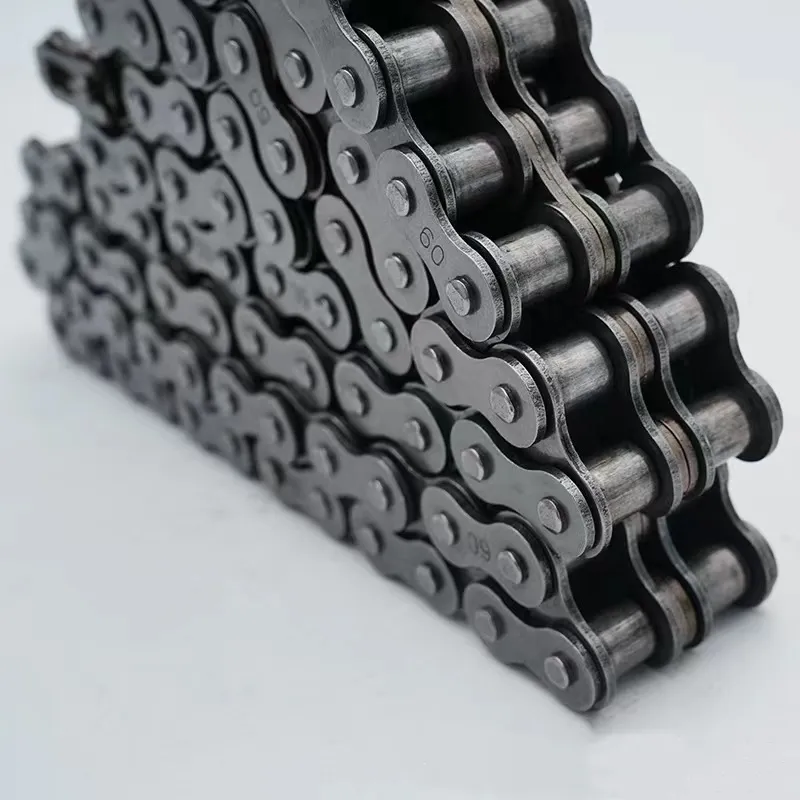
Como as correntes de rolos se comportam em aplicações com velocidade variável?
As correntes de rolos são ideais para aplicações de velocidade variável devido às suas características de projeto inerentes. Aqui está uma resposta detalhada para a pergunta:
1. Faixa de Velocidade: As correntes de rolos podem acomodar uma ampla gama de velocidades, tornando-as adequadas para aplicações de velocidade variável. A velocidade da roda dentada motriz pode ser ajustada e a corrente se adaptará às necessidades de velocidade variáveis.
2. Transmissão de potência suave: As correntes de rolos proporcionam uma transmissão de potência suave e consistente, mesmo em velocidades variáveis. O engate entre a corrente e as rodas dentadas permanece constante, garantindo uma transferência de potência confiável, sem deslizamento ou perda de eficiência.
3. Ajuste de tensão: Em aplicações de velocidade variável, a tensão da corrente de rolos pode precisar ser ajustada para manter o desempenho ideal. A tensão adequada garante o engate correto com as rodas dentadas e evita o desgaste excessivo ou o alongamento da corrente.
4. Lubrificação: A lubrificação adequada é crucial para correntes de rolos em aplicações de velocidade variável. A lubrificação ajuda a reduzir o atrito, o desgaste e a geração de calor, garantindo uma operação suave e prolongando a vida útil da corrente. Dependendo da faixa de velocidade e das condições de operação, o método e a frequência de lubrificação apropriados devem ser determinados.
5. Seleção da Corrente: Selecionar o tipo e o tamanho corretos da corrente de rolos é importante para aplicações de velocidade variável. Diferentes designs e materiais de corrente podem ter limitações de velocidade ou características de desempenho específicas. Consultar as especificações e recomendações do fabricante pode ajudar a garantir a compatibilidade da corrente com a faixa de velocidade necessária.
6. Considerações sobre o projeto do sistema: Ao projetar aplicações de velocidade variável com correntes de rolos, fatores como dimensões das rodas dentadas, relações de transmissão e requisitos de carga devem ser cuidadosamente considerados. O dimensionamento e alinhamento adequados das rodas dentadas, bem como a seleção do passo da corrente apropriado, podem contribuir para o funcionamento suave e a longevidade do sistema.
É importante ressaltar que a manutenção adequada, incluindo inspeção regular, lubrificação e ajuste de tensão, é essencial para correntes de rolos em aplicações de velocidade variável. Monitorar a condição da corrente e corrigir prontamente quaisquer sinais de desgaste ou danos ajudará a garantir uma operação segura e confiável.
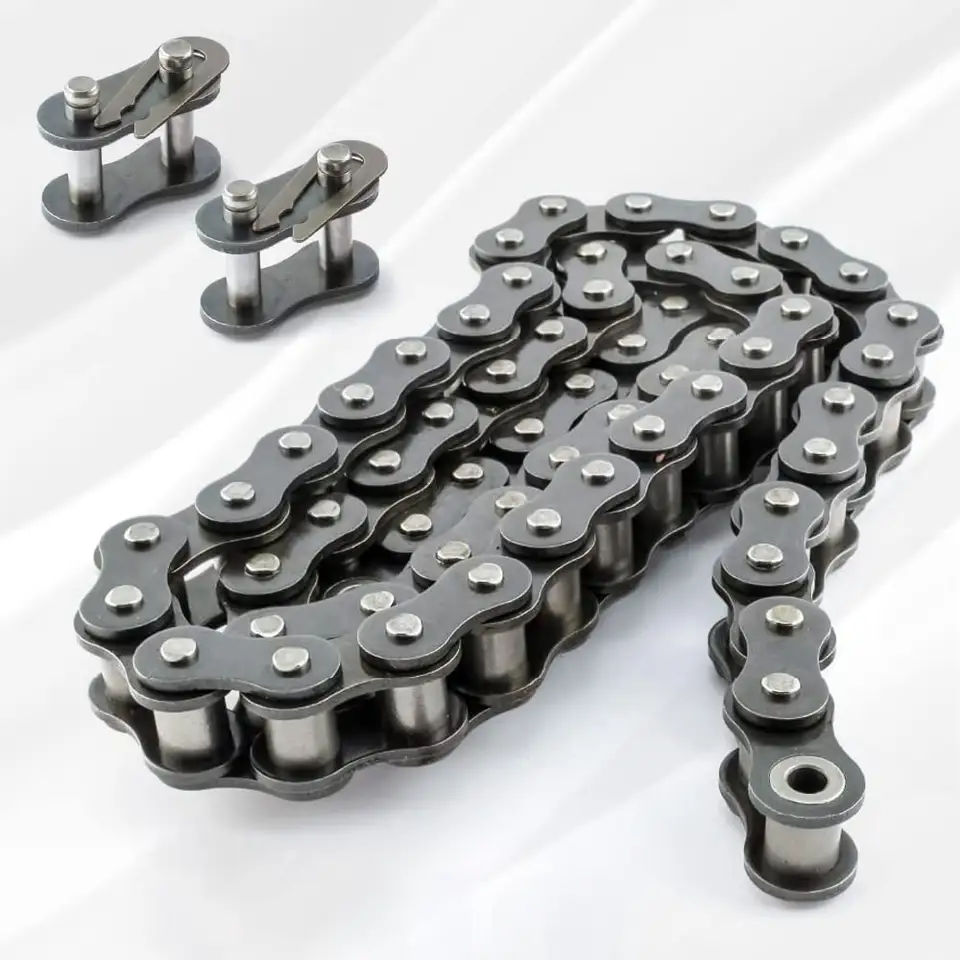
Can roller chains be used in underwater applications?
Roller chains are not typically recommended for direct use in underwater applications due to the potential for corrosion and water ingress. However, with appropriate modifications and additional protective measures, roller chains can be adapted for certain underwater applications. Here’s a detailed answer to the question:
1. Corrosion Resistance: In underwater environments, corrosion is a significant concern. Roller chains can be manufactured from corrosion-resistant materials such as stainless steel or coated with anti-corrosion treatments to mitigate the effects of exposure to water and moisture.
2. Sealing and Waterproofing: Special seals, O-rings, or protective covers can be installed to prevent water ingress into the chain’s internal components. These seals help to maintain lubrication and protect against corrosion, ensuring reliable operation even in wet conditions.
3. Lubrication Selection: Choosing the appropriate lubricant is crucial for underwater applications. Lubricants with excellent water resistance and corrosion protection properties should be selected to provide long-lasting lubrication in the submerged environment.
4. Maintenance and Inspection: Regular maintenance and inspection are essential to monitor the condition of the roller chain in underwater applications. This includes checking for signs of corrosion, lubricant degradation, or seal damage. Prompt replacement of worn or damaged components is necessary to prevent chain failure and ensure optimal performance.
It’s important to consult with experts or manufacturers experienced in underwater applications to determine the suitability of roller chains for specific underwater environments. They can provide guidance on the necessary modifications, materials, and maintenance practices to ensure the safe and reliable operation of roller chains in such conditions.
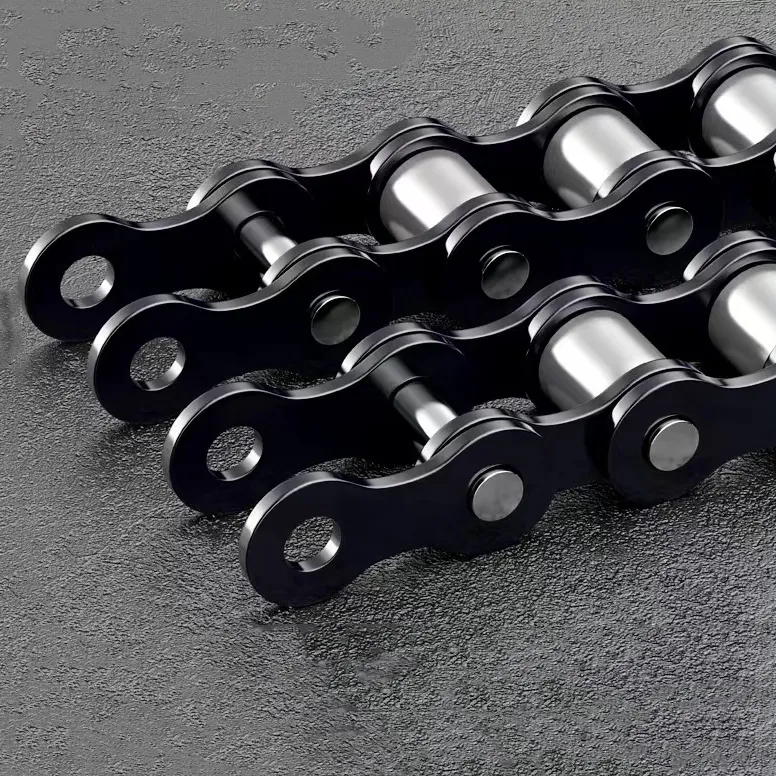
What are some common causes of roller chain failure?
Roller chain failure can occur due to various factors. Here’s a detailed answer to the question:
1. Insufficient Lubrication: One of the primary causes of roller chain failure is inadequate lubrication. Insufficient lubrication leads to increased friction, heat generation, and wear between the chain’s components, such as pins, bushings, and rollers. Over time, this can cause the chain to seize up, deform, or break.
2. Contamination: Contamination of the roller chain with dirt, dust, debris, or foreign particles can accelerate wear and increase the risk of failure. These contaminants can penetrate the chain’s joints, causing abrasive action and reducing the effectiveness of lubrication. Contamination can also cause corrosion, leading to weakened chain links.
3. Misalignment: Improper alignment of the sprockets and other drivetrain components can cause excessive side loading, uneven wear, and accelerated fatigue on the roller chain. Misalignment can result from improper installation, worn sprockets, or misaligned shafts, and it can lead to premature chain failure.
4. Overloading: Subjecting the roller chain to loads beyond its rated capacity can cause stress and fatigue, leading to chain failure. Overloading can occur due to improper application design, sudden shock loads, or continuous operation near or beyond the chain’s maximum load limit.
5. Wear and Fatigue: Over time, roller chains experience wear and fatigue due to normal usage. As the chain articulates around the sprockets, the pins, bushings, and rollers undergo cyclic stress, which can lead to wear, elongation, and eventually chain failure if not addressed through regular maintenance and replacement.
6. Corrosion: Exposure to corrosive environments, such as high humidity, chemicals, or saltwater, can cause corrosion on the roller chain. Corrosion weakens the chain’s structural integrity, leading to reduced load-carrying capacity and increased susceptibility to failure.
Proper maintenance, including regular lubrication, cleaning, inspection for wear and alignment, and avoiding overloading or exposure to harsh environments, is crucial to prevent roller chain failure. Timely replacement of worn or damaged chains and addressing any underlying issues that contribute to chain failure is essential for ensuring the reliable and safe operation of machinery or equipment.


editor by CX 2023-08-09