
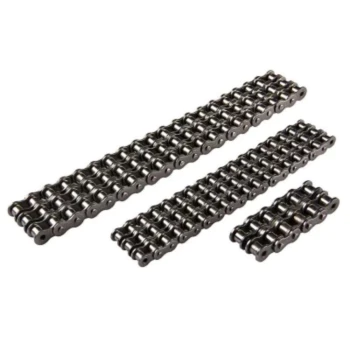
 The landscape of modern mechanical power transmission and precision manufacturing demands components that deliver absolute reliability and uncompromised accuracy across continuous operational cycles. Within the highly demanding environment of automated transmission construction, the movement of heavy, complex sub-assemblies requires a transport mechanism that eliminates micro-vibrations, prevents positioning drift, and ensures seamless synchronization between high-speed robotic workstations and delicate manual inspection zones. Standard conveying solutions frequently fail to maintain the rigorous tolerances required when mating intricately machined gears, shafts, and synchronizers, leading to unacceptable reject rates and costly production bottlenecks. The camelback chain serves as the fundamental backbone of these advanced manufacturing systems, engineered specifically to handle immense radial and axial loads while maintaining a continuous, fluid motion profile that completely isolates the fragile payload from the mechanical shock of the driving sprockets. Implementing this specialized architecture fundamentally alters the operational dynamics of the facility floor, providing a perfectly stable platform that allows optical alignment sensors and automated torque drivers to perform their tasks with zero compensatory delays.
In the heart of the United Kingdom’s industrial sectors, particularly within the renowned automotive and heavy machinery manufacturing hubs stretching across the West Midlands, Northern England, and parts of Scotland, facility directors are increasingly overhauling their legacy conveyor systems to integrate these highly specialized drive components. These robust chains are not merely passive transport links moving metal from one bay to another; they are active, dynamic elements of the production geometry that directly dictate the ultimate structural tolerance and acoustic quality of the finished gearboxes. As British engineering standards continue to push the boundaries of mechanical efficiency and noise reduction in both internal combustion and emerging electric vehicle powertrains, the assembly equipment must operate at a level of precision that was previously reserved for aerospace applications. By deploying customized conveying architectures tailored to exact casing dimensions and weight distributions, production engineers can drastically reduce unplanned maintenance downtime, minimize progressive component wear along the assembly loop, and achieve a rhythm of production that aligns perfectly with lean manufacturing principles and stringent international quality certifications.
The integration process requires a deep understanding of facility layout, ambient environmental factors, and the specific load characteristics of the transmission units being assembled, ensuring that every link contributes to the holistic efficiency of the plant. Facility modernization initiatives focusing on these critical infrastructure upgrades consistently demonstrate a rapid return on investment through the simultaneous reduction of scrap material and the optimization of automated cell cycle times. Designing a system that accommodates these stringent requirements demands a partnership with mechanical experts who possess decades of specialized experience in industrial motion control.
Unparalleled Advantages in Mechanical Power Transmission
Achieving true operational excellence in transmission manufacturing requires a systematic approach to identifying and eradicating the root causes of assembly line inefficiencies, which overwhelmingly trace back to the gradual degradation and geometrical distortion of standard conveying mechanisms operating under constant, fluctuating loads. A primary, non-negotiable advantage of deploying a sophisticated camelback architecture in these unforgiving industrial environments is its exceptional, engineered resistance to pitch elongation, a critical operational parameter when synchronizing complex multi-stage gearbox assembly processes across hundreds of meters of factory floor. When a conventional flat-top or roller chain stretches due to internal pin and bushing wear, even by a microscopic fraction of a millimeter over successive links, it inevitably introduces cascading cumulative tolerances that severely misalign precision robotic handling arms, delay highly sensitive automated bolting sequences, and ultimately lead to rejected parts accumulating in the quality control quarantine zone. The unique elevated geometry of this specialized system inherently combats this phenomenon by optimizing the tension distribution across a much larger internal bearing surface area, significantly lowering the contact pressure per square millimeter and dramatically extending the operational lifespan of the entire indexing loop before any manual tensioning adjustments become necessary.
The specialized structural topography naturally creates a secure, nested cradle for heavy, irregularly shaped automotive and industrial transmission casings, distributing the immense weight evenly across the hardened bearing pins and heavy-duty rollers to systematically eliminate localized stress fractures and material fatigue. This highly intelligent distribution of payload mass significantly lowers the dynamic friction coefficient during continuous operation, which translates directly into measurably reduced electrical energy consumption for the primary drive motors and establishing a dramatically quieter, ergonomically superior working environment for the assembly technicians positioned along the line. The integration of advanced, proprietary metallurgical surface treatments during the manufacturing of these chain components provides a formidable, impenetrable defense against highly corrosive industrial solvents, aggressive synthetic assembly lubricants, and the pervasive abrasive metallic dust often suspended in the atmosphere of high-volume metalworking facilities. By maintaining absolute structural integrity in the face of these harsh environmental contaminants, the system guarantees that the strict cleanliness protocols required for assembling modern, high-tolerance gearsets are never compromised by particulate shedding originating from the conveyor mechanism itself.
Furthermore, the inherent modularity of the camelback design allows for the seamless, rapid integration of custom-machined polymer or non-marring brass attachments that directly interface with specific gearbox casting features, completely eliminating the need for complex, failure-prone secondary clamping fixtures that slow down the overall cycle time. This direct-to-casing handling methodology ensures that critical machined mating surfaces remain pristine and untouched throughout the entire production journey, from the initial raw casting insertion to the final automated fluid filling and end-of-line spin testing bays. The resulting streamlined operation empowers British production facilities to aggressively scale their daily output quotas while simultaneously achieving unprecedented quality metrics and minimizing costly manual rework interventions.
Transforming Production: An Automotive Powertrain Success Story
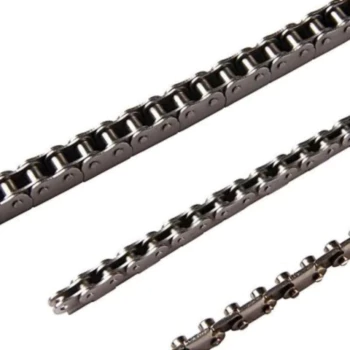 The profound transformative impact of implementing dedicated, high-performance conveyor components is most effectively illustrated by examining a recent critical infrastructure modernization project executed at a major automotive transmission manufacturing facility located in the industrial heart of Birmingham, United Kingdom. This specific manufacturing plant, operating under immense pressure to supply advanced dual-clutch and continuously variable gearboxes to several premier European luxury vehicle marques, was experiencing severe, recurring production bottlenecks due to the highly unpredictable indexing accuracy of their aging flat-top chain conveyors. The resident mechanical engineering team conducted extensive high-speed camera analyses and observed that microscopic lateral vibrations occurring precisely during the automated heavy-duty bearing press stages were causing a consistent three percent multi-axis rework rate, representing hundreds of thousands of pounds in lost productivity, wasted raw materials, and severely disrupted downstream supply chains annually. The legacy system simply lacked the structural rigidity required to lock the massive aluminum transmission casings perfectly into the three-dimensional space demanded by the tight tolerances of modern robotic assembly cells.
Collaborating closely with specialized application engineers, the facility management approved and executed a comprehensive, multi-phase overhaul of their primary three-kilometer assembly loop, systematically replacing the inadequate legacy system with a bespoke camelback chain solution meticulously engineered for heavy-duty, high-precision indexed movement. The unique, elevated topography of the newly installed system allowed the intricate gearbox casings to nest securely into customized urethane blocks without necessitating the deployment of complex, pneumatically actuated secondary clamping mechanisms, instantly streamlining the rapid transfer of sub-assemblies between enclosed robotic welding cells and manual visual inspection stations. The heavy-duty side plates and precision-ground pins of the new chain completely neutralized the resonant frequencies that previously plagued the line, creating a remarkably stable platform that allowed the automated bearing presses to apply multi-ton forces without inducing any measurable deflection in the transport system.
Within the first six months following the complete commissioning of the upgraded installation, the Birmingham plant reported an absolute, verified elimination of all positioning-related assembly rework, instantly reclaiming massive amounts of previously lost daily production time. The enhanced structural stability permitted the programming engineers to safely increase the overall robotic indexing line speed by a remarkable fifteen percent, dramatically boosting the daily yield of finished gearboxes without sacrificing a single metric of quality or requiring additional factory floor footprint. Furthermore, the robust metallurgical composition and optimized lubrication retention of the new chain design resulted in a verified extension of the mandatory preventative maintenance interval from a disruptive three months to an unprecedented fourteen continuous months, firmly solidifying the operational excellence and overwhelming financial viability of the customized hardware upgrade.
Direct Feedback from British Engineering Professionals
“Executing the upgrade of our primary commercial vehicle transmission assembly line in Coventry with this specific chain architecture drastically reduced our annual maintenance overhead and completely stabilized our most sensitive automated robotic indexing stations. We no longer experience the micro-stuttering that previously caused sensor faults during the final mating processes.”
— James Harrison, Plant Engineering Manager (Coventry, Automotive Sector)
“The unparalleled structural integrity and highly calculated load distribution capabilities of the camelback profile have empowered our Yorkshire heavy machinery facility to seamlessly handle significantly heavier industrial gearbox units without experiencing any measurable long-term chain stretch or component fatigue.”
— Sarah Jenkins, Operations Director (Sheffield, Heavy Machinery)
“We absolutely required a bespoke conveying solution that could endure harsh, high-pressure chemical washdowns while strictly maintaining zero-backlash positioning tolerances for our critical aerospace gear components in Bristol. This customized product integrated perfectly and delivered flawless performance under extreme audit conditions.”
— David O’Connor, Senior Maintenance Lead (Bristol, Aerospace Manufacturing)
Engineering Principles and Advanced Metallurgy
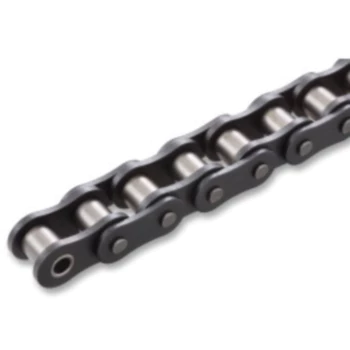 The foundational engineering principle dictating the superior performance of the camelback chain resides within its highly specialized plate geometry, which is meticulously calculated utilizing advanced finite element analysis to physically elevate the conveyed gearbox payload substantially above the standard chain pitch line. This deliberate architectural decision fundamentally alters the effective center of gravity of the moving mass, simultaneously reducing the operational radius required for directional changes and significantly mitigating the risk of lateral tipping or dangerous load shifts during rapid, high-torque acceleration or emergency deceleration phases. This elevated, continuous profile creates an incredibly stable, uninterrupted track that interfaces seamlessly with custom-machined transport pallets or direct-contact protective fixtures, absolutely ensuring that delicate, precision-machined gearbox components remain perfectly stationary relative to the moving chain links throughout the entire assembly journey. The geometry dictates that external lateral forces applied during robotic insertion processes are absorbed entirely by the robust side plates and smoothly transferred into the heavy-duty guide rail infrastructure, completely protecting the fragile internal bearing components from destructive side-loading scenarios.
To successfully achieve this extraordinary level of structural integrity without introducing excessive, power-draining mass into the drive system, the sophisticated manufacturing process mandates the utilization of premium-grade, high-carbon alloy steels, specifically formulated and selected to undergo extremely precise, computer-controlled deep case hardening and subsequent deep-freeze tempering cycles. This complex, multi-stage thermal processing protocol generates a truly fascinating and highly desirable metallurgical profile across the entire component: a localized, incredibly hard exterior surface layer that vigorously resists aggressive abrasive wear from constant friction against guide rails and driving sprockets, intrinsically coupled with a highly ductile, impact-resistant internal core structure that effortlessly absorbs the violent shock loads inherently present in heavy machinery assembly environments without microscopic fracturing. The internal, hidden bearing surfaces, comprising the high-precision pins and seamless bushings, are routinely treated with proprietary anti-galling dry-film coatings or machined directly from advanced, self-lubricating sintered powdered metals, rigorously guaranteeing smooth, predictable articulation even in restricted clean-room environments where traditional external liquid lubrication is strictly prohibited to prevent cross-contamination of the sterile gearboxes being assembled.
| Performance Parameter | Standard Specification Range | Custom Engineering Capability |
|---|---|---|
| Maximum Tensile Strength | 30 kN to 150 kN | Up to 300 kN (Special Alloy) |
| Operating Temperature Range | -10 Deg C to 120 Deg C | -40 Deg C to 250 Deg C |
| Indexing Positional Tolerance | +/- 0.15 mm per linear meter | +/- 0.05 mm (Pre-stretched) |
| Surface Hardness (Case) | 50 to 55 HRC | 60+ HRC (Nitride Treatment) |
| Lubrication Requirement | Standard Industrial Oil Drip | Maintenance-Free Sintered Bushings |
Broad Application Scenarios in Transmission Production
Beyond functioning strictly as the primary chronological indexing loop spanning the main factory floor, the remarkable operational versatility of the camelback chain extends deeply into various highly specialized, critical micro-environments situated within the broader gearbox manufacturing ecosystem. One exceptionally demanding application scenario involves the seamless integration within fully automated engine and transmission mating stations, where the fully assembled, multi-ton gearbox unit must be physically elevated and perfectly aligned with the engine block within spatial tolerances of mere microns. The inherent structural stability provided by the camelback profile absolutely ensures that as the transmission payload is dynamically elevated and rotated into its final mounting position, there is identically zero unwanted lateral deflection or swinging motion, allowing the sophisticated robotic optical alignment sensors to acquire their targeting datums instantly, rapidly accelerating the mating sequence without wasting precious seconds waiting for a suspended load to settle into equilibrium. This rigid support structure eliminates the traditional risk of damaging delicate input shafts or input seals during the critical mechanical coupling phase.
Additionally, these specialized chains are extensively and rigorously utilized within the end-of-line dynamic acoustic testing rigs, where fully assembled, sealed gearboxes are subjected to intense operational simulations, frequently spinning at maximum designed revolutions while completely filled with pressurized testing fluids. Inside these punishing acoustic testing bays, the supporting цепь infrastructure must consistently withstand the continuous, high-frequency mechanical vibration generated by the testing process itself, while simultaneously resisting rapid chemical degradation from incidental spills of highly aggressive synthetic automatic transmission fluids and specialized hot-water cleaning agents. Furthermore, advanced production facilities tasked with producing massive, heavy-duty commercial vehicle and agricultural transmissions heavily rely on robust, multi-strand camelback configurations to safely route massive, multi-ton sub-assemblies continuously through high-temperature infrared curing ovens immediately after the robotic application of specialized industrial liquid sealants. This specific application perfectly demonstrates the specialized chain’s remarkable, engineered capacity to maintain absolute structural and dimensional stability even when subjected to sustained, extreme high-temperature atmospheric conditions over prolonged operational shifts.
Advanced Manufacturing Capabilities at Ever Power
When leading British manufacturing enterprises boldly embark on ambitious, multi-million pound facility modernization and capacity expansion projects, they intrinsically require component partners who possess not only standard warehouse inventory but the deep, highly specialized engineering capability to meticulously tailor mechanical solutions to exact geometric dimensional and harsh environmental specifications. Ever Power operates a truly state-of-the-art, globally recognized production facility dedicated exclusively to the meticulous, uncompromising crafting of specialized industrial power transmission components, leveraging several decades of accumulated metallurgical expertise and advanced, multi-axis computer numerical control machining technologies to precisely meet the exacting, rigorous demands of the UK industrial sector. Our dedicated in-house application engineering teams collaborate directly and seamlessly with facility plant managers, maintenance directors, and reliability engineers operating across England, Scotland, Wales, and Northern Ireland, aggressively analyzing the highly specific dynamic load characteristics, complex spatial routing constraints, and demanding high-speed cycle requirements of their unique gearbox assembly lines before proposing a comprehensive, fully guaranteed conveying architecture.
This remarkably robust, end-to-end customization capability signifies that our engineering department can rapidly modify precise attachment profiles, radically alter core base materials to survive extreme chemical environments, and engineer highly specific, oversized pin configurations that seamlessly and flawlessly integrate with existing, pre-installed factory sprockets and legacy guide rail systems, effectively eliminating the financial burden and extended downtime associated with costly, unnecessary secondary infrastructure modifications. From the initial complex three-dimensional geometric software modeling and exhaustive dynamic finite element analysis simulations to the final, rigorous metallurgical and dimensional pre-delivery inspection protocols, absolutely every microscopic aspect of the Ever Power manufacturing process is stringently controlled and documented. This obsessive dedication to verifiable precision engineering completely guarantees that the final delivered product continuously provides unwavering structural reliability, eliminating unpredictable micro-stoppages and maximizing operational longevity on the demanding factory floor, securing a dominant competitive advantage for our partners.
Frequently Asked Questions from British Engineering Managers
How much does a custom camelback chain cost for heavy industrial gearbox assembly lines in the United Kingdom?
Where can I find a reliable supplier to quote replacement camelback chains for automotive transmission plants near Birmingham?
What maintenance schedule should we implement for a precision camelback chain operating in a continuous UK manufacturing facility?
Which specialized chain materials provide the best return on investment for high-torque gearbox testing rigs in British factories?
When is the optimal time to request a quote for upgrading an entire factory’s transmission conveying system in England?
отредактировано gzl