
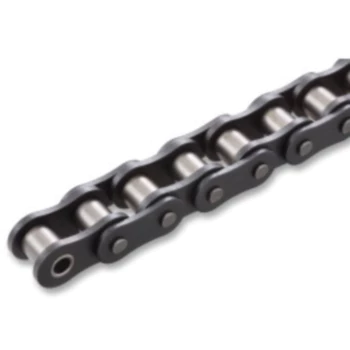
 The rigorous demands of industrial production in the United Kingdom dictate an unwavering commitment to operational excellence, particularly within the highly specialized domain of power transmission manufacturing. When engineers design modern production facilities for sophisticated drive systems, the handling of heavy, intricately machined components becomes a paramount concern that directly influences the overall yield and quality of the final product. At the heart of these advanced manufacturing ecosystems lies the camelback chain, an architectural marvel of material handling that ensures every single casing, shaft, and planetary gear is transported with microscopic precision. The fundamental geometry of the camelback chain provides an unparalleled foundation for stability, mitigating the harmonic vibrations that typically plague conventional conveyor systems during high-speed continuous indexing. This inherent stability is absolutely critical when automated robotic arms are tasked with inserting delicate bearings or aligning splined shafts into heavily cast housings, as even a fraction of a millimeter of deviation can result in catastrophic component failure or unacceptable noise, vibration, and harshness levels in the assembled unit. Integrating a meticulously engineered camelback chain into the factory architecture empowers production managers across the British industrial landscape to achieve unprecedented levels of throughput while strictly adhering to the most stringent international quality control standards.
Core Engineering Principles and Metallurgical Excellence
Understanding the mechanical superiority of the camelback chain requires a deep dive into its unique structural configuration and the advanced metallurgy utilized during its fabrication. The distinctive raised profile, from which the camelback chain derives its name, is specifically designed to isolate the conveyed product from the underlying driving mechanism, thereby creating a buffer zone that facilitates smooth accumulation without generating damaging back-pressure. This specific physical trait makes the camelback chain exceptionally well-suited for the stop-and-go cadences typical in modern transmission manufacturing hubs across the UK, where components must pause perfectly at various workstations for automated torquing, liquid gasket application, or complex internal measurement processes. Fabricated from premium high-carbon and alloyed steels, each link undergoes rigorous thermochemical surface treatments such as carbonitriding to achieve an optimal balance between an incredibly hard, wear-resistant outer shell and a tough, ductile inner core that absorbs shock loads. This precise metallurgical control ensures that the camelback chain maintains strict dimensional accuracy over millions of operational cycles, preventing the gradual elongation or pitch distortion that would otherwise misalign the heavy gearbox pallets passing through highly calibrated robotic integration zones.
Technical Specifications and Performance Metrics
| Parameter Description | Standard Value Range |
|---|---|
| Tensile Strength (Ultimate Load Capacity) | 85 kN to 320 kN (Customizable for Heavy Duty) |
| Operating Temperature Resilience | -20 Degrees Celsius to +250 Degrees Celsius |
| Chain Pitch Tolerance per Meter | Maximum Elongation less than 0.15% over 10,000 hours |
| Surface Hardness Profile | 55-60 HRC via Advanced Gas Nitriding |
| UK Market Compliance Standards | Full BS EN ISO 9001 and Machinery Directive alignment |
Operational Advantages of Implementing the camelback chain
Deploying a dedicated camelback chain system revolutionizes the intricate workflow of building complex mechanical power hubs, translating directly into measurable gains in operational efficiency and product reliability. One of the most prominent benefits is the drastic reduction in mechanical backlash during the indexing phase of the conveyor loop. In traditional setups, microscopic gaps between linkages allow the pallets carrying heavy transmission casings to shudder as they decelerate, a phenomenon that completely disrupts the stringent tolerances required when meshing helical gears or setting precise bearing preloads. The geometry of the camelback chain naturally tension-locks the transport carrier into an immovable state upon reaching the designated assembly station, providing a rock-solid foundation that optical measuring systems and multi-axis assembly robots demand for flawless execution. Furthermore, the inherent load-distributing design minimizes localized friction points, significantly extending the mean time between failures and reducing the mandatory preventative maintenance intervals that frequently paralyze high-volume UK manufacturing plants. The financial impact of utilizing a high-caliber camelback chain becomes immediately apparent when facilities analyze the reduction in rejected units, as the stable transport mechanism ensures liquid sealants cure undisturbed and sensitive electronic sensors are fitted without jarring impacts.
Sub-Assembly Application Scenarios in Gearbox Production
The construction of a modern industrial or automotive transmission is a multi-stage orchestration of engineering that heavily relies on the unique attributes of the camelback chain at every distinct phase. During the initial housing preparation stage, heavy cast iron or aluminum block casings are loaded onto specialized fixtures. The camelback chain smoothly navigates these massive, unbalanced loads through initial washing and automated gauging stations without inducing micro-fractures in the delicate casting webs. Progressing into the critical gear train installation zone, the assembly line demands absolute zero-vibration transportation. Here, the camelback chain acts as a highly disciplined carrier, ensuring that as technicians or automated manipulators lower heavy planetary gear sets and synchromesh rings into the casing, the underlying platform remains completely stationary. The seamless integration capabilities of the camelback chain allow it to interface directly with automated shimming machines, holding the entire multi-ton assembly perfectly level so that lasers can measure the exact clearances required for optimum gear meshing. In the final sealing and testing phases, the accumulated configuration capabilities of the camelback chain allow completed gearboxes to safely queue up before entering dynamometer testing cells, maximizing throughput without creating hazardous floor congestion.
Transforming Heavy Industry: A UK Midlands Success Story
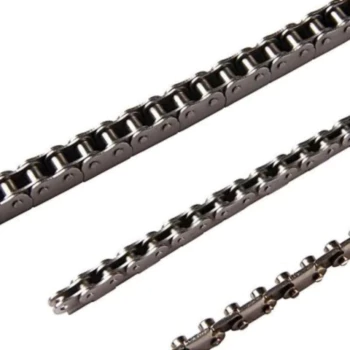 The profound impact of this specialized handling technology is best illustrated by a recent large-scale infrastructure upgrade undertaken by a prominent heavy-duty commercial vehicle manufacturer situated in the heart of the UK Midlands. This facility was grappling with unacceptable rejection rates stemming from minute misalignments occurring during the fully automated bearing press operations. Their legacy transfer system produced a microscopic recoil each time a pallet was indexed into the pressing station, causing the internal shafts to shift infinitesimally right before the hydraulic press engaged. By executing a comprehensive retrofit utilizing a bespoke camelback chain system customized by Ever Power, the facility completely eliminated the deceleration shudder. The unique raised profile of the new camelback chain allowed the heavy transport pallets to disengage smoothly from the drive force and rest firmly on precision locator pins. Following the commissioning of the upgraded line, the Midlands facility documented an immediate thirty percent reduction in end-of-line noise and vibration test failures. Furthermore, the robust construction of the camelback chain allowed them to safely increase the line speed by fifteen percent, drastically improving their overall output while simultaneously elevating the mechanical integrity of every transmission unit produced.
Feedback from Leading UK Production Engineers
“Implementing the camelback chain from Ever Power completely stabilized our automated shimming stations. The dimensional stability under immense loads is exactly what our precision heavy machinery sector demands.”
— James T., Lead Production Engineer, Automotive Transmissions
“We required a supplier who understood the specific environmental challenges of our Midlands factory. The customized surface treatments on this camelback chain have practically eliminated our conveyor maintenance downtime.”
— Sarah W., Operations Director, Industrial Drivesystems Ltd
“The capability of the camelback chain to handle varying weights without chain stretch is remarkable. The bespoke attachments Ever Power designed fit our complex housings flawlessly.”
— David L., Maintenance Supervisor, Aerospace Gear Divisions
Ever Power: Mastery in Bespoke Manufacturing Capabilities
Sourcing a standard material handling solution is often inadequate for the highly specialized and demanding environments inherent to precision engineering. At Ever Power, the manufacturing philosophy is deeply rooted in providing comprehensive, tailor-made solutions that perfectly align with the strict operational directives of our clients across the United Kingdom and global markets. Developing a high-performance camelback chain requires an intimate understanding of the exact forces, environmental conditions, and chemical exposures present on the factory floor. Our dedicated engineering teams collaborate directly with facility managers to customize every parameter of the camelback chain, from selecting specific hyper-alloy steel compositions resistant to synthetic cutting fluids, to designing highly intricate, bespoke attachments molded to securely cradle proprietary gearbox casing geometries. This rigorous customization process ensures that the finalized camelback chain integrates seamlessly into existing automation architectures, driving unparalleled efficiency and safeguarding incredibly tight manufacturing tolerances against any form of mechanical disruption.
Expert Insights for UK Assembly Integration
How much does a custom camelback chain for heavy industrial gearbox assembly cost from a UK supplier?
The price for a bespoke camelback chain highly depends on the total length of the assembly line, the specific metallurgical requirements to prevent wear, and the complexity of the custom attachments needed to hold complex casings securely. For highly tailored solutions designed to withstand extreme load capacities typically seen in British manufacturing sectors, reaching out to Ever Power for a direct quote ensures you receive accurate pricing mapped directly to your exact operational specifications and throughput goals.
Where can I find reliable camelback chain manufacturers for automated automotive transmission lines in the United Kingdom?
Facility managers seeking unparalleled reliability in the United Kingdom market should look towards engineering firms that specialize in heavy-duty material handling customization. Ever Power stands as a premier global manufacturer capable of supplying robust camelback chain architectures directly tailored to the rigorous compliance standards and complex automation demands prevalent across automotive manufacturing hubs located throughout the Midlands and beyond.
What specific operational advantages does a tailored camelback chain provide for precision gear meshing processes?
During sensitive phases like aligning splined shafts and testing gear backlash, any microscopic vibration can lead to inaccurate measurements and flawed assembly. A meticulously configured camelback chain eliminates the sudden jerking motions inherent to standard conveyors, providing an incredibly stable, vibration-free platform that ensures robotic optical sensors and multi-axis assembly arms operate with absolute millimeter precision, drastically cutting down on unit rejection rates.
Which material specifications are best suited for a camelback chain operating in highly lubricated machining environments?
When navigating zones flooded with synthetic coolants or liquid sealants, the structural integrity of the transport system is challenged. It is imperative to specify a camelback chain engineered from advanced carbon-alloyed steels that have undergone extensive surface hardening treatments like gas nitriding or specialized anticorrosive plating, ensuring long-term resilience against chemical degradation while maintaining critical dimensional accuracy over millions of production cycles.
When should production managers consider upgrading their existing conveyor to a specialized camelback chain system?
If a manufacturing facility is experiencing continuous bottlenecks at automated shimming stations, noticing unpredictable chain stretch requiring constant maintenance adjustments, or observing an unacceptable rise in vibration-related end-of-line testing failures, it is the optimal moment to request a quote for integrating a dedicated camelback chain architecture designed explicitly to manage heavy dynamic loads without compromising indexing precision.
отредактировано gzl