
Produktbeskrivning
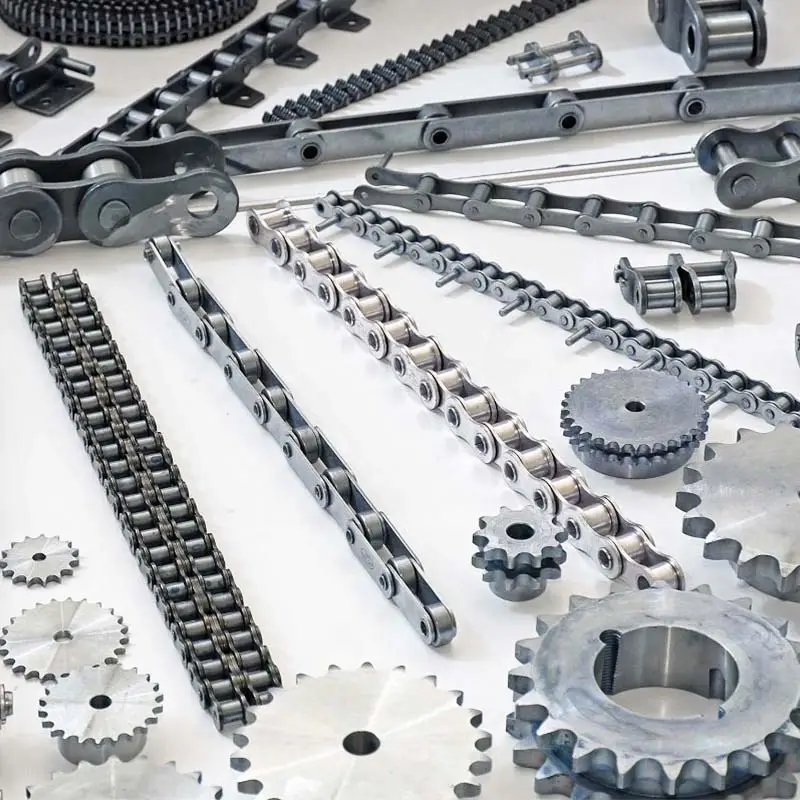
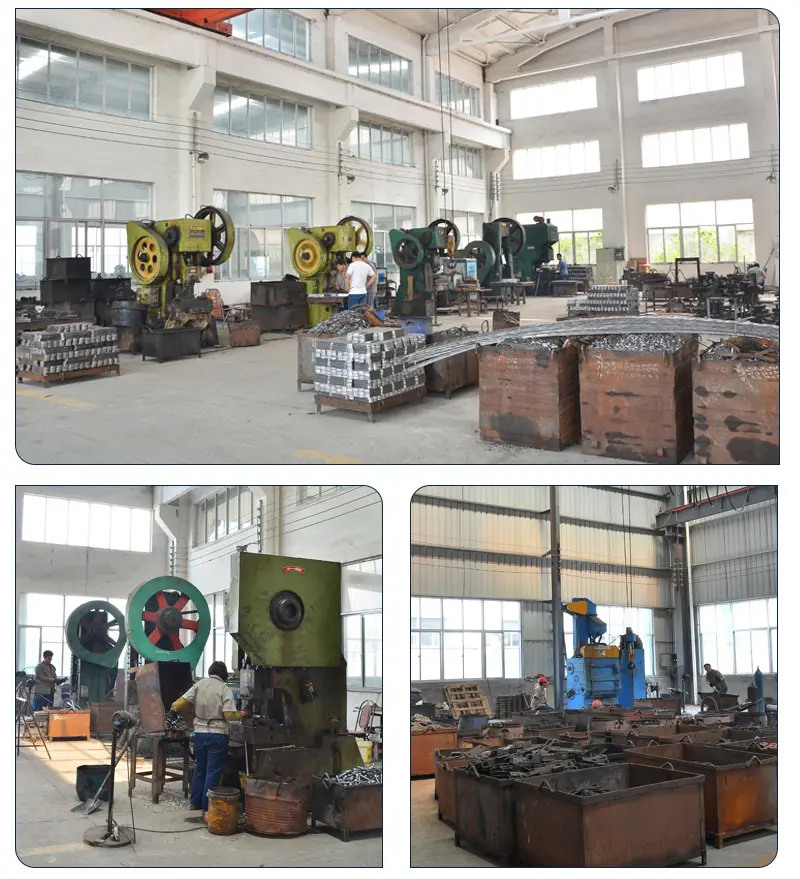
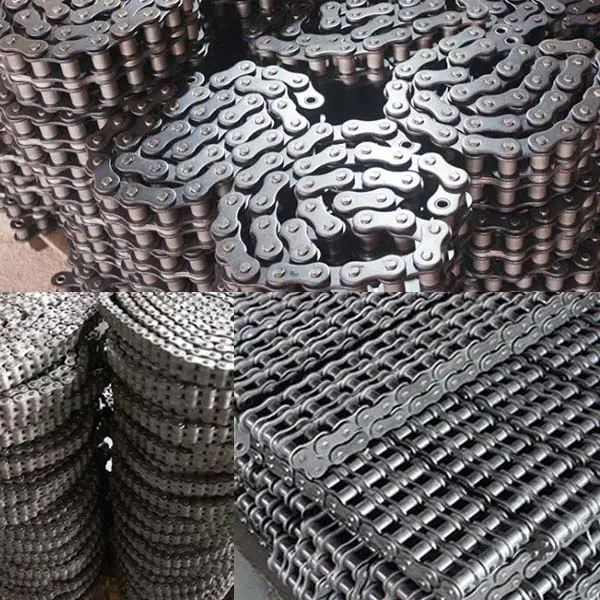
Roller chain is a crucial component in many types of industrial equipment. At CZPT Transmission, we are proud to offer the best and strongest single-strand roller chains in the business. Compared to any respective quality at other company, single-strand roller chain is not found with the same maximum durability and lifetime as ours. CZPT bushings on our roller chains are heat-treated, which increases their strength and longevity. Our roller chains also feature heat-treated and shot-peened side plates, allowing the chain to handle a greater work load. CZPT Transmission also offers additional connecting links and offset links for fixing your chain or customizing its length.
We are confident that our roller chains will serve you and your equipment well. We work hard to select the best quality chains on the market and sell them to our customers at unbeatable prices. If you have any questions, please do not hesitate to contact us. Our dedicated, expert staff is happy to answer any and all questions. Our staff, superior quality, and excellent prices are the reason for our A+ rating!
#25 chain are typically used for applications that require a long continuous length of chain or when smaller lengths are required and using long lengths reduce drop. Premier Series #25 roller chain is dimensionally manufactured to ANSI B29.1 Standards. This means that it will directly interchange with other ANSI certified roller chains and will operate properly on #25 chain sprockets. All Premier Series series roller chains are manufactured using the highest quality heat-treated, shot peened, and hardened high-precision components and are supplied with a premium lubricant already applied from the factory.
Premier Series #25 Roller Chain Dimensions
- Pitch (P): 0.250″
- Bushing Width (W): 0.125″
- Bushing Diameter (D): 0.130″
- Overall Width (A): 0.307″
- Plate Height (H): 0.232″
- Plate Thickness (T): 0.571″
- Pin Diameter (E): 0.091″
- Tensile Strength: 990 LBS
- Weight Per Foot: 0.09 LBS
Features
- Manufactured To ANSI B29.1 Specifications
- Features CZPT Bushings and CZPT Rollers
- Premium Quality
- Extremely Durable and High-Strength
- Made With Precision Heat-Treated Components
- Shot Peened and Pre-Stretched
- Pre-Lubricated From The Factory
| Standard or Nonstandard: | Standard |
|---|---|
| Application: | Textile Machinery, Garment Machinery, Conveyer Equipment, Packaging Machinery, Electric Cars, Motorcycle, Food Machinery, Marine, Mining Equipment, Agricultural Machinery, Car |
| Ytbehandling: | Oxygenation |
| Strukturera: | Rullkedja |
| Material: | Carbon Steel |
| Type: | Short Pitch Chain |
| Customization: | Available | Customized Request |
|---|
What are the benefits of using a roller chain in conveyor systems?
Roller chains offer numerous advantages when used in conveyor systems, making them a popular choice for material handling applications. Here’s a detailed answer to the question:
1. High Strength and Load Capacity: Roller chains are designed to withstand heavy loads and provide reliable power transmission in conveyor systems. They have excellent load-carrying capacity and can handle substantial weights, making them suitable for conveying bulk materials or heavy objects.
2. Smooth and Efficient Operation: Roller chains offer smooth and efficient operation in conveyor systems. The rollers on the chain engage with the sprockets, reducing friction and allowing the chain to move smoothly along the conveyor. This ensures efficient material transfer and minimizes energy consumption.
3. Wide Range of Sizes and Configurations: Roller chains are available in various sizes and configurations to accommodate different conveyor system designs and load requirements. This versatility allows for customization and ensures compatibility with different conveyor types, such as flat-top, slat, or apron conveyors.
4. Adaptability to Harsh Environments: Roller chains are capable of operating in harsh environments typically encountered in conveyor systems. They can withstand dust, dirt, moisture, and temperature variations, making them suitable for both indoor and outdoor applications. Additionally, roller chains can be made from corrosion-resistant materials or coated to enhance their durability in corrosive or abrasive environments.
5. Easy Maintenance and Replacement: Roller chains are relatively easy to maintain and replace in conveyor systems. Regular lubrication and inspection help extend the chain’s lifespan and prevent premature wear. If necessary, individual chain links or sections can be replaced without replacing the entire chain, minimizing downtime and maintenance costs.
6. Cost-Effectiveness: Roller chains are cost-effective compared to alternative conveyor systems. They offer a balance between performance, durability, and affordability, making them a cost-efficient choice for various industrial applications.
Overall, using a roller chain in conveyor systems provides high load capacity, smooth operation, adaptability to harsh environments, ease of maintenance, and cost-effectiveness. These benefits make roller chains an excellent choice for efficient material handling and transportation in industries such as manufacturing, distribution, logistics, and warehousing.
What are the limitations of using roller chains in certain applications?
Roller chains are versatile and widely used in various applications, but they do have some limitations to consider. Here’s a detailed answer to the question:
1. Speed Limitations: Roller chains have a practical speed limit due to factors such as chain length, centrifugal forces, and roller-to-sprocket engagement. At high speeds, the centrifugal forces can cause excessive chain vibration and increase wear, potentially leading to chain failure. In such cases, alternative power transmission systems like gears or belts may be more suitable.
2. Precision Requirements: Roller chains require proper alignment and tensioning for efficient operation. In applications that demand high precision, such as precision machinery or robotics, the inherent flexibility and slight elongation of roller chains may not meet the desired accuracy requirements. In such cases, alternative systems like timing belts or direct drive solutions may be preferred.
3. Environmental Limitations: Roller chains may not be suitable for certain environments with extreme temperatures, corrosive substances, or high levels of contamination. Harsh conditions can accelerate chain wear, reduce lubrication effectiveness, or cause corrosion. In these situations, specialized chains with appropriate coatings or alternative power transmission systems may be necessary.
4. Noise and Vibration: Roller chains can generate noise and vibrations during operation, particularly when not properly tensioned or maintained. In applications where noise or vibration is a concern, such as in noise-sensitive environments or precision machinery, additional measures like chain tensioners, vibration dampening, or alternative drive systems may be required.
5. Size and Space Constraints: Roller chains have a certain physical size and require appropriate clearance for installation. In applications with limited space or tight packaging requirements, alternative power transmission systems like compact belts or direct drives might be more suitable.
It’s important to carefully evaluate the specific requirements and constraints of each application when considering the use of roller chains. Alternative power transmission systems may be more suitable in certain cases, and consulting with experts or manufacturers can help determine the best solution for the intended application.
What is the expected lifespan of a roller chain?
The expected lifespan of a roller chain can vary depending on several factors, including the quality of the chain, the operating conditions, and the level of maintenance. Here’s a detailed answer to the question:
The lifespan of a roller chain is primarily influenced by the following factors:
1. Chain Quality: High-quality roller chains made from durable materials and manufactured to precise specifications tend to have a longer lifespan compared to lower-quality chains. Chains from reputable manufacturers often undergo rigorous testing and quality control processes to ensure their performance and durability.
2. Operating Conditions: The operating environment greatly affects the lifespan of a roller chain. Factors such as temperature, humidity, contamination, shock loads, and vibration can impact the chain’s wear and fatigue resistance. Chains operating in harsh conditions may require more frequent maintenance and replacement.
3. Lubrication and Maintenance: Proper lubrication is crucial for maintaining the lifespan of a roller chain. Regular lubrication helps reduce friction, wear, and corrosion, thereby extending the chain’s life. Additionally, regular inspection and maintenance, including tension adjustment, sprocket alignment, and cleaning, can help identify and address issues that could shorten the chain’s lifespan.
4. Load and Speed: The load and speed at which the roller chain operates also play a role in determining its lifespan. Chains operating under heavy loads or high speeds may experience increased wear and fatigue, shortening their lifespan. Choosing a chain with the appropriate strength and size for the application is important to ensure optimal performance and longevity.
Generally, a well-maintained roller chain can last for thousands of hours of operation. However, it is essential to monitor the chain’s condition regularly and replace it when signs of wear, elongation, or damage become apparent. Following the manufacturer’s recommendations for maintenance and replacement intervals is crucial for maximizing the lifespan of the roller chain.


editor by CX 2023-08-08