Produktbeskrivning
Produktbeskrivning
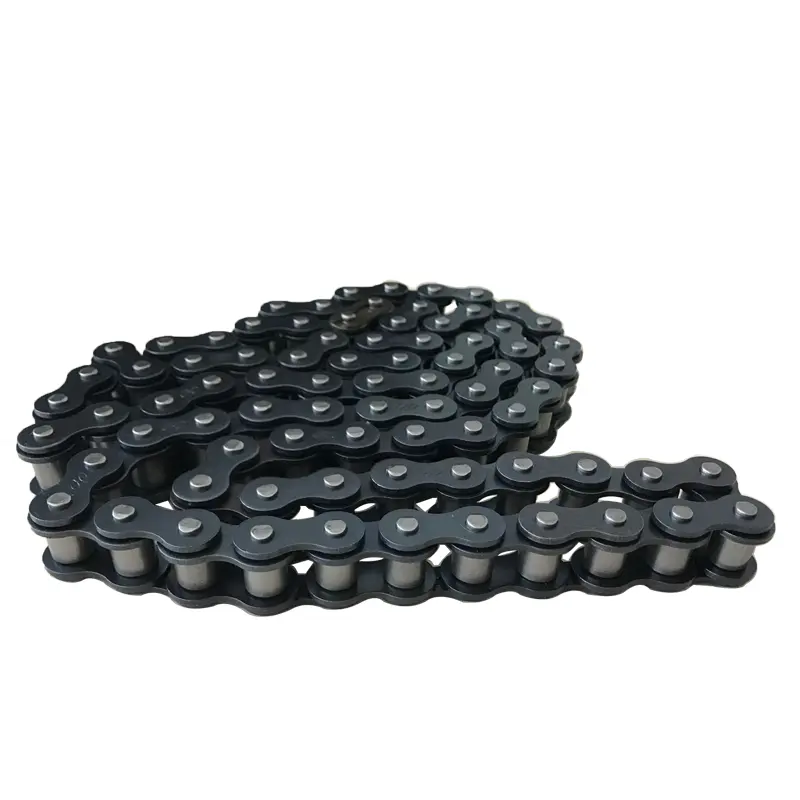
| Item Name | Agricultural Roller Chains | Model | Standard |
| Row | / | Application | Machinery Parts |
| Suiface Treament | netural/sand-blasted/shot-peening | Certification | ISO, ANSI, DIN, BS |
| Packing | Packaged in boxes and wooden cases, or packaged in reels and then on pallets | Port | Any sea port or airport in china |
Agricultural chains, also known as farm machinery chains, are specifically designed for use in
agricultural equipment and machinery. These chains are used to transmit power from the tractor
to various attachments, such as plows, cultivators, and harvesters.
Agricultural chains are made from high-quality materials that are resistant to wear and corrosion.
They are designed to withstand the harsh conditions of the farm, including exposure to dirt, dust,
and debris. These chains are available in a variety of sizes and configurations to fit different
types of farm machinery.
In addition to their strength and durability, agricultural chains are also designed to provide smooth
and efficient power transmission. This helps to increase the productivity of the equipment and
reduce downtime for maintenance and repairs.
Overall, agricultural chains play a critical role in the operation of farm machinery, ensuring that
farmers can efficiently and effectively carry out their work.
Other Products
Company Profile
Packaging & Shipping
After Sales Service
Contact us
| Standard or Nonstandard: | Standard |
|---|---|
| Application: | Textile Machinery, Garment Machinery, Conveyer Equipment, Packaging Machinery, Electric Cars, Motorcycle |
| Ytbehandling: | Netural/Sand-Blasted/Shot-Peening |
| Strukturera: | Rullkedja |
| Material: | Carbon Steel |
| Type: | Short Pitch Chain |
| Samples: | US$ 3.45/Meter 1 Meter(Min.Order) | |
|---|
| Customization: | Available | Customized Request |
|---|
Are there any special considerations for installing roller chains?
Proper installation of roller chains is crucial to ensure their optimal performance and longevity. Here are some key considerations for installing roller chains:
1. Alignment: Ensure proper alignment of the sprockets to prevent side loading and premature wear. The sprockets should be aligned parallel to each other and positioned at the correct distance according to the chain’s pitch.
2. Tension: Proper chain tension is essential for smooth operation and to prevent excessive wear. Follow the manufacturer’s recommendations for the appropriate tension based on the specific chain type and application. It’s important to achieve the correct tension without over-tightening, as excessive tension can lead to increased stress and accelerated wear.
3. Lubrication: Apply the appropriate lubricant to the roller chain during installation. Lubrication helps reduce friction, wear, and heat generation. Follow the manufacturer’s recommendations for the type and frequency of lubrication based on the operating conditions and chain design. Ensure even distribution of lubricant along the chain’s length.
4. Sprocket Teeth Engagement: Check that the chain properly engages with the teeth of the sprockets. The chain should fit snugly into the sprocket teeth without excessive clearance or interference. Incorrect engagement can cause slippage, uneven wear, and premature failure.
5. Chain Length: Ensure that the chain length is appropriate for the application. Avoid excessive slack or excessive tension by adjusting the chain length accordingly. An incorrectly sized chain can lead to poor performance, increased wear, and potential damage to the chain and sprockets.
6. Protection: Consider using chain guards or covers to protect the roller chain from external contaminants such as dust, dirt, or debris. This helps minimize wear and extends the chain’s lifespan, particularly in harsh or dirty environments.
7. Regular Inspection: Regularly inspect the roller chain and sprockets for signs of wear, damage, or misalignment. Monitor the chain’s performance and address any issues promptly to avoid further damage and prevent unexpected downtime.
8. Proper Tools and Techniques: Use appropriate tools and techniques during installation to ensure accuracy and prevent damage to the chain or components. Follow the manufacturer’s guidelines or consult with experts for specific installation instructions.
By following these considerations and best practices, you can ensure proper installation of roller chains and maximize their performance and durability in your application.
Kan rullkedjor användas för kraftöverföring i industriell utrustning?
Ja, rullkedjor används ofta för kraftöverföring i olika industriella utrustningar och maskiner. Här är ett detaljerat svar på frågan:
1. Mångsidighet: Rullkedjor är kända för sin mångsidighet och kan användas i en mängd olika industriella tillämpningar. De används ofta i maskiner som transportband, omrörare, blandare, lyftanordningar, hissar, förpackningsutrustning, materialhanteringssystem och många andra typer av industriell utrustning.
2. Kraftöverföring: Rullkedjor utmärker sig i att överföra kraft från en roterande axel till en annan. De kan effektivt överföra högt vridmoment och hantera tunga belastningar, vilket gör dem lämpliga för krävande industriella applikationer där kraftöverföring krävs.
3. Lastkapacitet: Rullkedjor är konstruerade för att motstå betydande belastningar och ge tillförlitlig kraftöverföring. De finns i olika storlekar och styrkor, vilket möjliggör anpassning baserat på de specifika belastningskraven för den industriella utrustningen.
4. Hållbarhet: Rullkedjor är byggda för att vara hållbara och motstå tuffa driftsförhållanden som vanligtvis förekommer i industriella miljöer. De är tillverkade av högkvalitativa material och genomgår värmebehandlingsprocesser för att förbättra deras styrka och motståndskraft mot slitage, utmattning och förlängning.
5. Effektivitet: Rullkedjor erbjuder hög transmissionseffektivitet tack vare deras positiva ingrepp med kedjehjulen. Rullarna på kedjan griper in i kedjehjulets tänder, vilket minimerar slirning och säkerställer tillförlitlig kraftöverföring. Detta resulterar i effektiv drift och optimerad prestanda för industriell utrustning.
6. Enkelt underhåll: Rullkedjor är relativt enkla att underhålla, särskilt jämfört med andra kraftöverföringssystem. Korrekt smörjning och regelbunden inspektion är avgörande för att säkerställa smidig drift och förlänga kedjans livslängd. Regelbundna underhållsrutiner kan implementeras för att hålla kedjorna i optimalt skick och minimera driftstopp.
7. Kostnadseffektivitet: Rullkedjor är generellt sett kostnadseffektiva jämfört med alternativa kraftöverföringsmetoder. De erbjuder en balans mellan prestanda, hållbarhet och överkomliga priser, vilket gör dem till ett populärt val för kraftöverföring i industriell utrustning.
Sammanfattningsvis är rullkedjor väl lämpade för kraftöverföring i industriell utrustning på grund av deras mångsidighet, lastkapacitet, hållbarhet, effektivitet, enkla underhåll och kostnadseffektivitet. När man väljer rullkedjor för industriella tillämpningar är det viktigt att beakta faktorer som lastkrav, hastighet, miljöförhållanden och kompatibilitet med den specifika utrustningen för att säkerställa optimal prestanda och livslängd.


editor by CX 2023-08-02