
Engineering the Ultimate camelback chain for High-Speed Beverage Bottling Production Lines in the United Kingdom
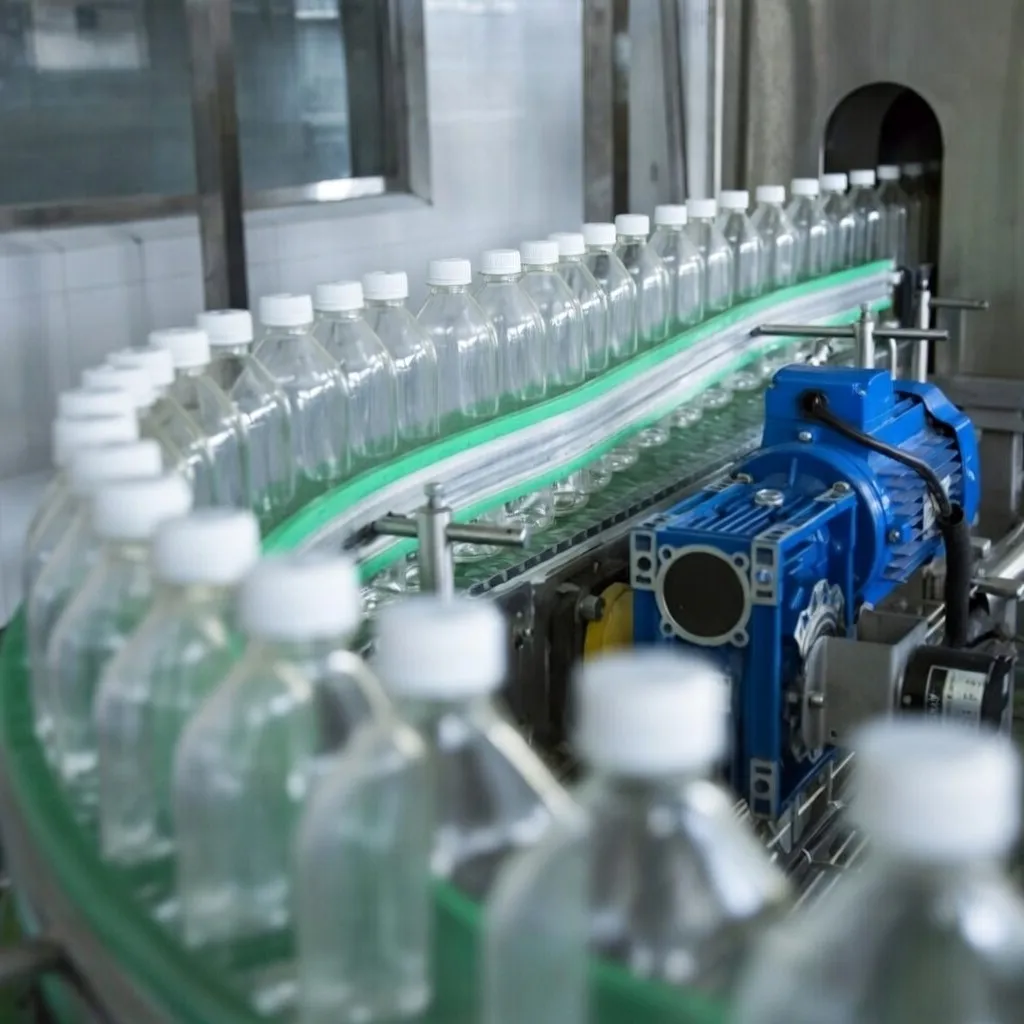 Navigating the complex operational demands of automated manufacturing facilities across the United Kingdom requires a profound understanding of industrial kinetics and material flow. The relentless pace of modern British production lines dictates that material handling systems must operate continuously, sustaining massive throughput without yielding to catastrophic mechanical failures or unacceptable wear rates. Industrial operators and plant managers in heavily industrialized regions, stretching from the manufacturing hubs of the West Midlands to the advanced packaging plants in Northern England, are acutely aware that even a momentary disruption in their conveying infrastructure can precipitate thousands of pounds in lost productivity, compromised delivery schedules, and severe logistical bottlenecks. The mechanical foundation resolving these robust demands is the camelback chain, a highly specialized power transmission and conveying component engineered specifically for accumulating heavy loads and facilitating frictionless transport. Unlike standard flat-top mechanisms or conventional roller chains, the unique geometric profile of this chain allows delicate products, glass bottles, or heavy pallets to pool and accumulate seamlessly while the continuous loop continues to run actively underneath. This critical design minimizes back-pressure, virtually eliminates product surface damage, and prevents the crushing forces that often plague less sophisticated systems.
Unparalleled Product Advantages for Heavy-Duty Conveying
Analyzing the primary operational benefits reveals why the camelback chain dominates high-volume manufacturing sectors. The foremost advantage lies in its extraordinary metallurgical durability and calculated wear resistance. Operating continuously in a demanding facility, such as a major commercial brewery in Burton upon Trent or a chemical packaging plant in Teesside, exposes transmission components to constant abrasive particulate matter and aggressive chemical washdowns. These chains are subjected to proprietary heat treatment protocols, including precise case hardening of the pins and bushes. This thermal processing creates a component with an exceptionally hard, wear-resistant outer layer while retaining a tough, ductile core capable of absorbing severe shock loads without fracturing. Consequently, the dreaded chain elongation—the gradual stretching that ruins sprocket timing and forces expensive line stoppages—is drastically reduced. Plant engineers experience a massive extension in the operational lifespan of the conveyor system, translating directly into reduced capital expenditure on replacement parts and significantly lowered labor costs associated with emergency weekend maintenance interventions.
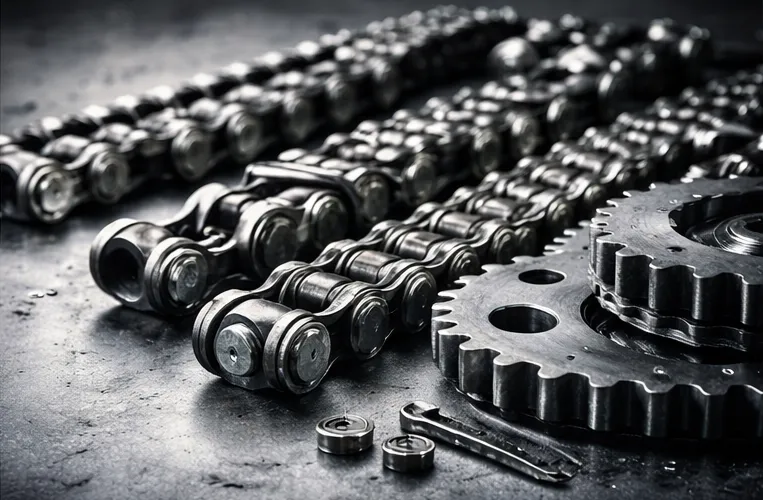
Another profound advantage is the meticulously engineered geometric profile of the link plates. The characteristic raised “camel back” shape is not merely an aesthetic design; it is a highly functional feature calculated to provide optimum load distribution. When products accumulate at a stopping station—perhaps waiting for a filling nozzle or a labeling machine to cycle—the underlying chain must continue moving smoothly. Standard flat components generate immense localized friction, leading to product scuffing, motor overload, and excessive energy consumption. The specialized contour of the camelback chain reduces the contact surface area to the precise mathematical minimum required for stable transport, allowing the links to glide beneath the stationary load with remarkably low frictional resistance. This drastically lowers the electrical amperage draw on the primary drive motors, contributing to substantial energy savings across the fiscal year. Furthermore, this frictionless accumulation protects delicate packaging from cosmetic damage, which is a critical quality control metric in the fast-moving consumer goods sector, ensuring that every unit reaches the supermarket shelf in pristine condition.
Client Success Story: Revolutionizing a Leeds Bottling Plant
The tangible impact of superior power transmission engineering is best illustrated through rigorous real-world applications. A prominent, high-volume beverage bottling and distribution facility located in the industrial heartland of Leeds faced a critical operational crisis. Their legacy conveying infrastructure, heavily reliant on outdated standard roller mechanisms, was suffering from chronic, unpredictable failures. The extreme demands of accumulating heavy glass bottles prior to the pasteurization phase caused severe chain elongation and frequent link snapping. This unreliability resulted in average unscheduled downtime of over twelve hours per week, severely threatening their fulfillment contracts with major British supermarket chains. The accumulated glass debris from jammed bottles further accelerated the wear on the sprockets, creating a vicious cycle of mechanical degradation and escalating maintenance budgets. The facility leadership recognized that a complete paradigm shift in their material handling approach was entirely necessary to salvage their production targets and restore profitability.
Partnering directly with the engineering team at Ever-power, the plant initiated a comprehensive retrofit of their main accumulation lines. The Ever-power specialists conducted an exhaustive kinetic audit of the facility, calculating the exact tensile loads, friction coefficients, and environmental stressors present in the washdown zones. They specified a custom-engineered, stainless steel camelback chain featuring precision-machined rollers and specialized anti-corrosive treatments designed explicitly for the acidic environment of a beverage plant. Upon installation, the transformation was immediate and measurable. The specialized raised link profile handled the massive accumulation pressure effortlessly, eliminating the jerky, stuttering movements that previously caused bottle breakages. Within the first six months of continuous operation, the Leeds facility reported a staggering 94% reduction in chain-related downtime. Maintenance personnel, previously burdened with constant tensioning adjustments, were redeployed to proactive facility upgrades. The Ever-power solution not only stabilized their output but actually allowed the plant managers to increase the overall line speed by 15%, delivering a phenomenal return on investment and securing their crucial supply chain contracts.
“Integrating the heavy-duty conveying solution from Ever-power completely transformed our bottling hall. We used to dedicate an entire maintenance shift just to replacing stretched links and realigning the tracks. Since the retrofit, the system runs flawlessly day and night, handling the immense back-pressure of our glass line without a single structural compromise. It has been a genuine game-changer for our site’s efficiency metrics.”
— David R., Chief Maintenance Engineer, Leeds Beverage Co.
“The difference in noise reduction and energy consumption is absolutely remarkable. The unique profile of this component allows our pallets to accumulate perfectly prior to the shrink-wrapping station without putting undue strain on the drive motors. The precision manufacturing from Ever-power is evident in every single pitch. We have practically eliminated product scuffing, which has vastly improved our quality assurance pass rates.”
— Sarah M., Operations Director, Northern Packaging Solutions.
“Sourcing reliable transmission parts for our highly automated automotive component line was a persistent challenge until we collaborated with Ever-power. Their technical team understood the exact kinetic loads we were dealing with. The custom camelback chain they supplied has endured millions of cycles in an environment heavily contaminated with machine oil and metal swarf, yet it shows virtually zero measurable wear. Outstanding reliability.”
— James T., Plant Floor Manager, West Midlands Auto Parts.
Core Engineering Principles and Advanced Material Science
Understanding the mechanical superiority of this system requires a deep dive into the fundamental principles of its operation and the advanced material science driving its construction. The foundational principle of the camelback chain is the intelligent separation of the carrying load from the internal articulation joints. In conventional designs, the weight of the conveyed product bears directly down upon the same components responsible for flexing around the sprockets, creating immense internal friction and accelerating metal fatigue. By elevating the contact surface via the distinctive humped link plates, the heavy vertical loads are efficiently transferred through the robust side plates directly onto the guide rails. This ingenious load path ensures that the internal pins, bushes, and rollers are isolated from crushing downward forces, allowing them to perform their primary function—smooth articulation and tension bearing—with virtually zero parasitic drag. This separation of mechanical duties is the exact reason why these specific conveying elements can manage massive tonnage in high-throughput British factories without succumbing to the rapid degradation seen in lesser technologies.
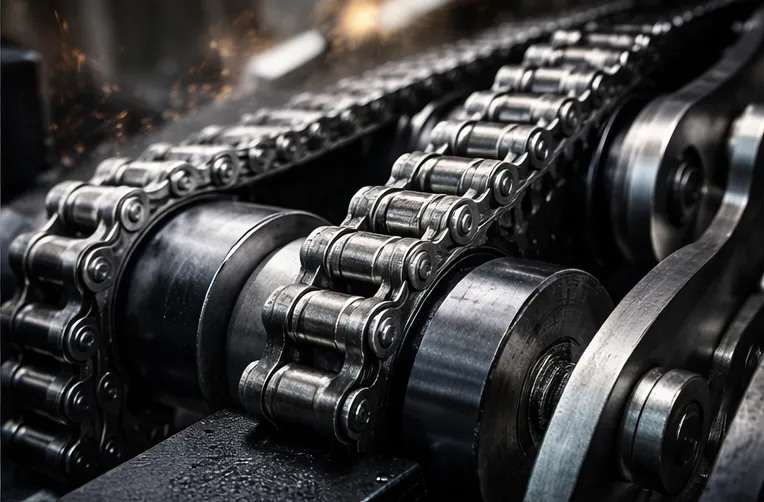
The choice of materials is equally critical to the overarching performance parameters. Depending on the exact environmental demands of the facility, these chains are forged from a spectrum of elite industrial metals. For standard, heavy-duty applications found in automotive assembly or lumber processing, high-grade carbon steel is predominantly utilized. This steel undergoes rigorous induction hardening processes to achieve a high Rockwell hardness rating on the wear surfaces, granting it immunity against abrasive dust and grit. Conversely, for the strict sanitary requirements of the UK’s food, beverage, and pharmaceutical sectors, austenitic stainless steel alloys, such as 304 or 316 grades, are deployed. These complex alloys offer supreme resistance to the corrosive effects of harsh chemical cleaning agents, steam sterilization, and constant moisture exposure. The precision machining of every individual pin and bush ensures microscopic tolerances, eliminating internal slop and guaranteeing that the pitch remains absolutely consistent over miles of continuous operation. This level of meticulous material engineering is what allows modern automated lines to achieve previously unthinkable uptime metrics.
| Technical Parameter | Carbon Steel Series | Stainless Steel (304/316) Series | Application Environment |
|---|---|---|---|
| Pitch Range (mm) | 38.1 to 152.4 | 38.1 to 101.6 | Scalable for different conveyor lengths |
| Average Tensile Strength (kN) | 45 to 320 | 30 to 210 | High torque drive systems |
| Operating Temperature Range | -10 C to +150 C | -40 C to +400 C | Ovens, freezers, ambient manufacturing |
| Surface Hardness (HRC) | 45 to 55 (Case Hardened) | 25 to 35 (Work Hardened) | Abrasive vs. Corrosive conditions |
| Roller Type Options | Standard, Flanged, Oversized | Standard, Delrin/Polymer lined | Heavy loads vs. low noise requirements |
Diverse Industrial Application Scenarios Across the UK
The extraordinary versatility of the camelback chain allows it to form the mechanical backbone of an incredibly diverse array of industrial sectors spanning the length and breadth of the United Kingdom. In the bustling commercial centers of London and the South East, massive automated distribution and fulfillment centers rely entirely on these conveying components to sort, accumulate, and route thousands of parcels per hour. The smooth accumulation capabilities guarantee that delicate consumer electronics and fragile retail goods are queued flawlessly before automated scanning and palletizing stations, preventing the crushing back-pressure that destroys packaging and damages inventory. The ability of the system to manage stop-and-go kinetic motion without surging or jerking is absolutely essential for maintaining the high-speed barcode reading accuracy required by modern, data-driven logistics networks.
Venturing into the heavy industrial zones of the Midlands and the North, the applications shift towards raw manufacturing power. Automotive assembly plants situated around Birmingham and Sunderland deploy monumental lengths of these specialized chains to transport heavy engine blocks, transmission assemblies, and raw chassis components through various stages of welding, painting, and final assembly. The extreme tensile strength of the carbon steel variants ensures that the immense weight of these automotive components is moved with precise indexing, allowing robotic arms to perform welding and assembly tasks with microscopic accuracy. Similarly, in the rugged lumber and timber processing mills of Scotland, these transmission elements operate in relentlessly hostile environments characterized by heavy shock loads, abrasive sawdust, and outdoor moisture. The self-cleaning nature of the elevated link profile aggressively pushes wood chips and debris out of the sprocket path, preventing track derailments and ensuring that the massive saw lines continue processing timber without devastating mechanical interruptions.
The Ever-power Manufacturing Advantage: Precision Custom Service
Securing the optimal power transmission infrastructure for your facility requires a partnership with a manufacturer possessing deep engineering expertise and uncompromising quality control. Ever-power stands as the premier global entity in the design, fabrication, and deployment of advanced industrial chain systems. Recognizing that no two production lines are identical, Ever-power has structured its massive manufacturing capabilities around delivering highly customized, precision-engineered solutions tailored specifically to the unique kinetic challenges of your factory floor. When standard off-the-shelf components inevitably fail to meet the rigorous demands of specialized British manufacturing sectors, the Ever-power engineering division steps in to analyze your exact load parameters, environmental conditions, and speed requirements. This consultative approach guarantees a component integration that maximizes uptime and dramatically extends the operational lifespan of the machinery.
The Ever-power factory utilizes state-of-the-art automated forging, robotic welding, and computer-controlled heat treatment processes to ensure every single link plate, pin, and roller meets extraordinarily tight tolerances. Our comprehensive testing laboratories subject every batch to destructive tensile testing, continuous fatigue cycling, and aggressive corrosion resistance profiling to ensure absolute compliance with stringent European and international industrial standards. Whether you require bespoke attachment profiles, specialized polymer rollers for ultra-quiet operation in a London packaging hall, or extreme-duty anti-corrosive coatings for a Scottish marine environment, Ever-power possesses the technological agility and immense production scale to deliver your custom order with rapid lead times. Elevate your operational efficiency and permanently eliminate costly downtime by integrating the world’s most reliable conveying technology into your facility.
Frequently Asked Questions (FAQ)
Note for webmasters: The following section is fully optimized for conversational voice search queries and contains commercial intent triggers specific to the UK industrial sector. Please implement Speakable and FAQ Page Schema markup when publishing to enhance search engine visibility.
What exactly is the estimated replacement cost for upgrading an automated bottling line in the UK with a heavy-duty camelback chain?
The precise financial investment required to upgrade an automated bottling facility in the United Kingdom heavily depends on the total track length, the required tensile strength, and the specific material grade chosen, such as standard carbon steel versus 316 stainless steel for sanitary washdown zones. Plant managers typically discover that while the initial procurement quote from a premium supplier like Ever-power might reflect advanced engineering, the total cost of ownership plummets rapidly. This financial benefit occurs because the specialized accumulating profile drastically reduces the wear on expensive drive motors and completely eliminates the daily labor costs associated with fixing snapped links and realigning derailed flat-top systems. For an accurate, site-specific price breakdown, reaching out to the Ever-power sales engineering team is highly recommended.
Where can industrial purchasing managers find a reliable manufacturer and supplier of customized conveying systems near London or Birmingham?
Procurement specialists and engineering directors overseeing major industrial operations across the UK—from the logistics hubs surrounding London to the heavy manufacturing corridors of Birmingham—consistently rely on Ever-power for their specialized material handling requirements. While there are local distributors of basic components, integrating a complex, heavy-duty accumulating track requires direct collaboration with a primary manufacturer capable of bespoke engineering. Ever-power acts as a global supplier with the logistical capacity to rapidly deliver custom-machined transmission solutions directly to British manufacturing sites, complete with exhaustive metallurgical testing certifications and comprehensive technical integration support.
How does this specific accumulating profile prevent delicate packaging damage during high-speed cosmetic manufacturing processes?
During the rapid operation of cosmetic packaging or pharmaceutical bottling lines, products frequently need to pause at various stations for filling, capping, or laser coding, while the main conveyor must continue moving beneath them. Standard mechanical systems generate massive friction against the stationary pallets or fragile bottles, causing severe scuffing, label tearing, or outright crushing from excessive back-pressure. The elevated, precisely engineered geometry of the camelback chain ensures that the contact area with the stationary product is minimized to an absolute mathematical minimum. This creates a frictionless gliding effect beneath the queued items, guaranteeing zero surface degradation and maintaining the pristine aesthetic quality required by high-end consumer brands operating across the British retail market.
Which exact metallurgical grade is highly recommended to withstand the severe chemical washdowns in Scottish seafood processing plants?
Operating sophisticated machinery in coastal Scottish seafood processing environments subjects every moving part to a relentlessly destructive combination of saltwater exposure, high-pressure steam cleaning, and highly aggressive caustic sanitation chemicals. For these extreme hygienic and corrosive scenarios, deploying standard carbon steel, even with protective coatings, is a severe engineering miscalculation. The Ever-power technical division strictly mandates the implementation of premium 316-grade austenitic stainless steel variants. This specific alloy incorporates a high percentage of molybdenum, which provides exceptional, fundamental resistance against chloride-induced pitting and crevice corrosion, ensuring the transmission infrastructure maintains perfect structural integrity and strict food-safe compliance over years of continuous operation.
When is the absolute best time for a facility manager to schedule a complete mechanical overhaul and request an immediate supplier quote?
Astute facility managers in the UK manufacturing sector know that waiting for a catastrophic mechanical failure to initiate a procurement cycle is the most expensive strategy possible. The absolute optimal time to request an advanced engineering quote from Ever-power is the moment maintenance logs show an exponential increase in chain elongation measurements, or when the weekly labor hours dedicated to tensioning and lubrication exceed the baseline operating budget. Proactively scheduling the integration of a specialized camelback chain during a planned holiday shutdown or scheduled factory retooling period guarantees seamless installation, prevents chaotic emergency downtime, and allows the factory to restart operations immediately with vastly improved throughput metrics and lower power consumption.
edit by gzl