
High-Performance Camelback Chain for Automotive Car Door Assembly Conveyor Systems in the United Kingdom
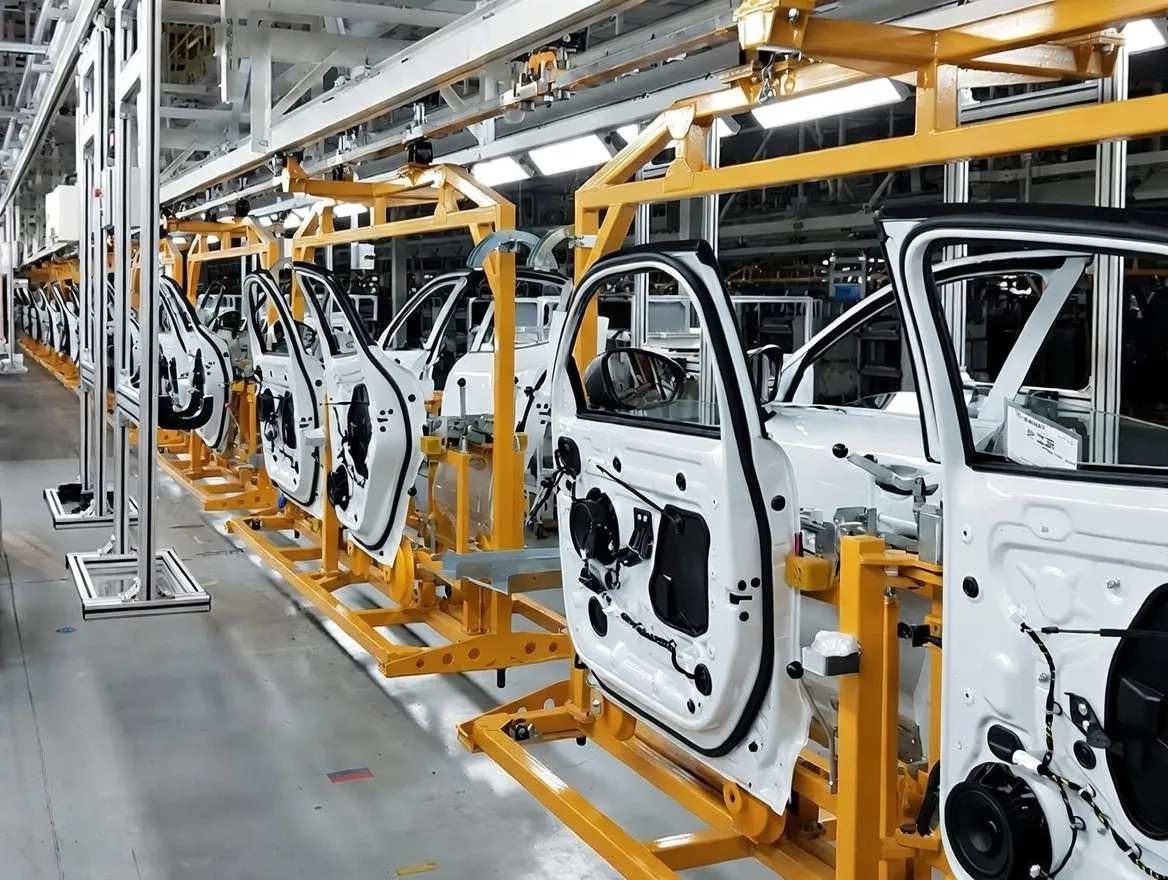 Navigating the highly demanding landscape of automotive manufacturing requires an uncompromising approach to component selection, particularly within the specialized domain of conveyor systems. Car door assembly lines represent one of the most mechanically intensive areas of vehicle production, demanding absolute precision, rhythmic pacing, and unyielding structural support. In this critical operational theater, the camelback chain establishes itself as the premier engineering solution. Designed with a unique geometric profile that provides exceptional stability, this industrial conveying component seamlessly handles the heavy, unwieldy nature of automotive doors as they transition through various fabrication stages. The United Kingdom’s automotive sector, renowned for its heritage and cutting-edge facilities across the West Midlands and beyond, increasingly relies on the sophisticated architecture of the camelback chain to eliminate production bottlenecks.
Engineering Principles and Material Superiority of the Camelback Chain
The exceptional performance profile of the camelback chain is rooted in uncompromising metallurgical standards and highly specialized engineering principles. Operating a car door assembly conveyor means subjecting components to massive tensile loads, intermittent high-impact forces during fixture engagement, and continuous metal-to-metal friction. To combat these destructive forces, our industrial-grade camelback chain is manufactured utilizing premium-grade carbon and alloy steels. Specifically, the side plates are often forged from 40Mn or 45Mn steel, undergoing rigorous through-hardening processes to achieve an optimal balance between core toughness and surface hardness. This dual-property material profile ensures that the camelback chain can absorb sudden shock loads without fracturing, while simultaneously resisting abrasive wear caused by airborne particulates in the factory environment. The distinct ‘camelback’ contour is precisely machined to interface perfectly with the custom pallets carrying the car doors, effectively transforming the flexible chain into a rigid, highly stable moving platform. The precision of this interface minimizes micro-movements, which is critical when robotic sensors are relying on exact spatial coordinates to execute complex welding or painting routines.
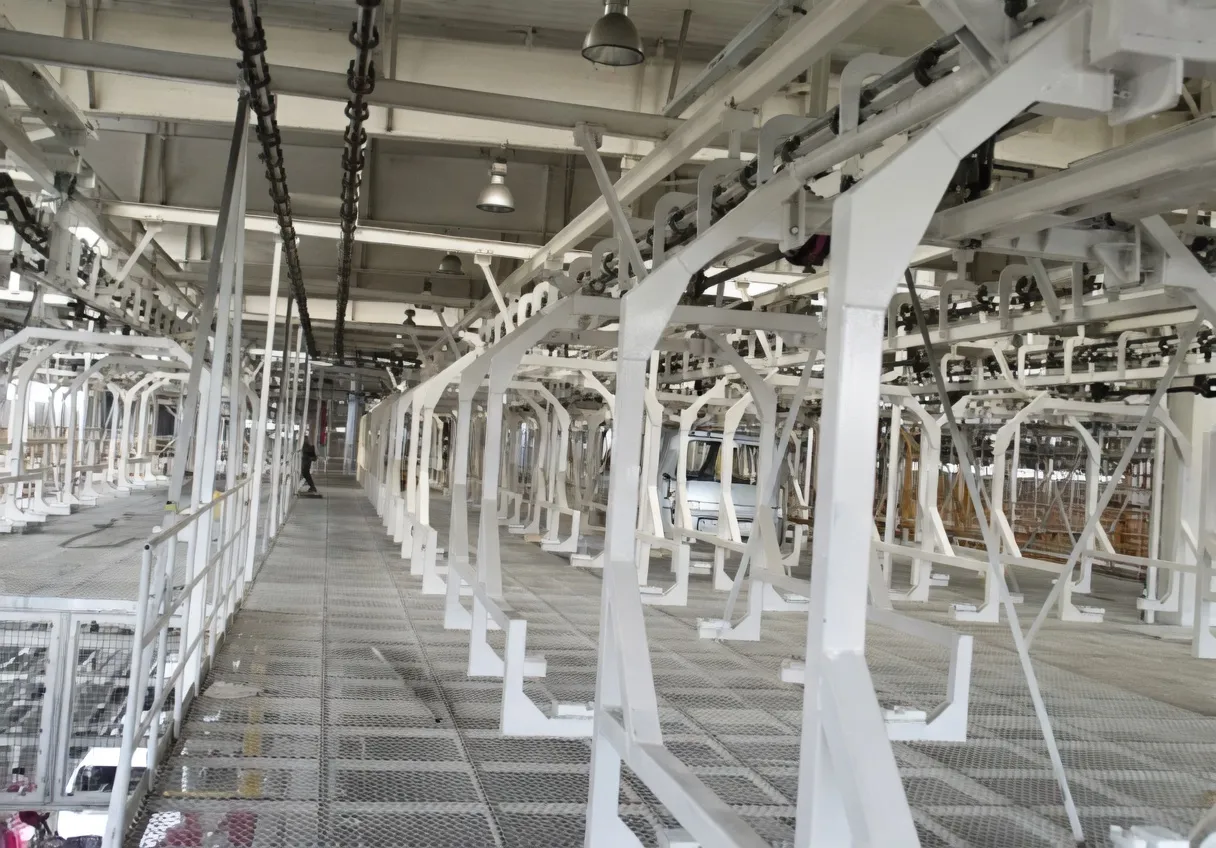
Furthermore, the internal architecture of the camelback chain features critically engineered pins and bushings, typically crafted from high-grade bearing steel such as 30CrMnTi. These vital components undergo advanced high-frequency induction quenching and tempering, resulting in a surface hardness that drastically reduces internal friction and wear elongation. The precise clearance between the pin and bushing is meticulously calibrated to retain specialized industrial lubricants while preventing the ingress of destructive manufacturing debris. This thoughtful approach to tribology ensures that the camelback chain operates with maximum mechanical efficiency, reducing the electrical load on the conveyor drive motors and minimizing energy consumption across the plant. The application of specialized anti-corrosion surface treatments, including advanced zinc plating or proprietary rust-inhibiting coatings, prepares the camelback chain to endure the harsh chemical environments often found in proximity to automotive paint shops and chemical preparation zones. By leveraging these advanced materials and thermal treatments, the camelback chain delivers an unparalleled lifecycle, providing assembly engineers with a highly predictable, set-and-forget conveying solution that underpins the entire vehicle production strategy.
| Technical Parameter | Specification Profile for Camelback Chain |
|---|---|
| Base Material Composition | 40Mn / 45Mn High-Strength Alloy Steel |
| Pin Material & Treatment | 30CrMnTi with High-Frequency Induction Quenching |
| Ultimate Tensile Strength | Exceeds Standard ISO Requirements (Application Specific) |
| Surface Hardness Profile | 45-52 HRC (Side Plates) / 58-62 HRC (Pins) |
| Operating Temperature Range | -20 Degrees Celsius to 250 Degrees Celsius |
| Anti-Corrosion Finish | Black Oxide, Nickel Plating, or Zinc Plating Options |
Core Advantages of Deploying a Camelback Chain
Unparalleled Load Stability and Spatial Precision
The most prominent advantage of utilizing a high-grade camelback chain lies in its exceptional ability to stabilize unwieldy loads. Car door assemblies are notoriously asymmetric, featuring a heavy frame structure coupled with delicate inner workings. Traditional flat chains struggle to maintain a perfectly horizontal orientation when subjected to these off-center loads, leading to micro-tilts that can cause severe alignment issues down the line. The camelback chain features a distinct, raised profile designed to interface seamlessly with grooved carrier pallets, locking the load into a rigid trajectory. This engineered interlock virtually eliminates lateral sway and vertical bounce during the conveying process. For automated robotic stations that rely on micrometer accuracy for spot welding or hinge attachment, the absolute spatial precision guaranteed by the camelback chain prevents costly rework and minimizes scrap rates. Plant operators can confidently increase line speeds, knowing the structural integrity of the camelback chain will maintain perfect load orientation throughout the entire production cycle, ensuring flawless execution at every single manufacturing touchpoint.
Extreme Wear Resistance in Demanding Environments
Automotive assembly environments are inherently hostile to moving mechanical components. The presence of abrasive welding dust, sharp metal shavings, airborne paint particulates, and intense thermal cycling rapidly degrades inferior conveying equipment. The specialized camelback chain is expressly engineered to thrive in these punishing conditions. By employing state-of-the-art heat treatment methodologies, including deep case hardening of the external components, the camelback chain creates a formidable defense against abrasive wear. The geometric design of the camelback chain inherently discourages the accumulation of debris near the critical pivot points, facilitating a self-clearing mechanism as the chain traverses the drive sprockets. Furthermore, the robust side plates are heavily reinforced to resist the repetitive tensile shock generated during rapid index-and-pause operations, preventing the insidious stretching and elongation that plagues lesser chains. This phenomenal wear resistance ensures that the dimensional pitch of the camelback chain remains perfectly consistent over years of continuous operation, effectively safeguarding the intricate synchronization of the entire car door assembly line.
Acoustic Dampening and Reduced Energy Consumption
Modern automotive facilities place a significant emphasis on creating an ergonomically safe and environmentally sustainable workspace. Traditional heavy-duty conveyor systems are notorious for generating excessive noise pollution and drawing immense electrical power due to inherent mechanical friction. The refined architecture of the camelback chain dramatically mitigates both of these issues. The precision manufacturing of the internal rollers and pins guarantees an exceptionally smooth articulation around the conveyor sprockets, virtually eliminating the aggressive metal-on-metal clanking characteristic of older systems. This superior rolling action, combined with optimal lubrication retention, significantly reduces the coefficient of friction throughout the entire length of the camelback chain. As a direct consequence, the massive electrical drive motors required to propel the assembly line encounter far less mechanical resistance, resulting in a substantial decrease in overall plant energy consumption. Implementing a premium camelback chain thus creates a dual benefit: a quieter, safer acoustic environment for the assembly technicians on the floor, and a measurably lower carbon footprint and operating cost for the manufacturing facility.
Critical Application Scenarios in Car Door Assembly
Robotic Spot Welding and Hemming Stations
The initial structural integrity of a car door is forged in the highly intensive robotic welding and hemming stations. Here, the inner and outer sheet metal panels are permanently joined. The conveyor system must transport these heavy steel or aluminum components into precise spatial envelopes where multi-axis robots descend to apply hundreds of spot welds within seconds. A standard conveyor is highly susceptible to the enormous downforce and lateral pressure applied during the hemming process. However, the robust structural profile of the camelback chain provides an unyielding foundation. It anchors the carrier pallet securely against the track guides, ensuring zero deflection when the robotic clamps engage the door. The exceptional fatigue resistance of the camelback chain allows it to absorb these repetitive high-impact forces millions of times without suffering from micro-fractures or pitch elongation. This application scenario demands perfection, and the camelback chain consistently delivers the unshakeable platform required for zero-defect automated welding.
Paint Shop and Cataphoretic Electrodeposition (E-Coat) Lines
Transitioning through the automotive paint shop introduces an entirely different spectrum of engineering challenges. Car doors must be completely submerged in massive chemical baths for anti-corrosion treatments, followed by exposure to extreme heat in the curing ovens. The conveyor system is subjected to aggressive solvents, alkaline cleaners, and temperatures exceeding 180 degrees Celsius. In this brutal environment, a specialized camelback chain constructed with advanced heat-resistant alloys and specialized surface plating becomes absolutely vital. The unique open architecture surrounding the raised profile of the camelback chain allows caustic chemicals and paint fluids to drain rapidly, preventing harmful fluid entrapment that causes deep-seated corrosion. Furthermore, the thermal stability of the high-grade steel ensures that the camelback chain does not warp or significantly expand during the high-temperature baking cycles. This thermal and chemical resilience guarantees that the car doors traverse the entire painting process smoothly, preventing catastrophic jams inside the ovens and ensuring a flawless, dust-free surface finish.
Final Trim, Sealing, and Hardware Integration
The final stages of car door assembly require human technicians and collaborative robots to install intricate wiring harnesses, window regulators, acoustic seals, and heavy glass panes. This phase requires a conveyor system that operates with absolute smoothness, as any jerky movements or unexpected vibrations can cause delicate clips to snap, misalign sensitive electronic sensors, or pose a severe safety hazard to the manual operators working closely with the moving line. The meticulously calibrated articulation of the camelback chain ensures a fluid, continuous motion that drastically improves workplace ergonomics. The steadfast support provided by the camelback chain allows technicians to confidently apply necessary torque to mounting bolts without the door assembly shifting unpredictably. By implementing this premium chain in the final trim lines, manufacturing facilities experience a dramatic drop in assembly errors, an increase in worker safety, and a much more streamlined output of fully completed, ready-to-mount vehicle doors.
Customer Success Case: Revitalizing a Midlands Automotive Plant
A premier automotive manufacturing facility located in the West Midlands, deeply embedded in the United Kingdom’s rich car-building heritage, was experiencing critical bottlenecks in their flagship SUV door assembly line. Their legacy flat-top conveyor chain was severely degrading under the increased weight of the new heavily armored and soundproofed luxury door models. The excessive wear led to unacceptable pitch elongation, causing severe indexing errors at the automated weather-stripping application stations. This micro-stuttering resulted in tremendous material waste and triggered frequent line stoppages for manual recalibration. Recognizing the urgent need for a robust structural upgrade, the plant engineers partnered with us to custom-engineer and deploy a heavy-duty camelback chain solution. By replacing the failing system with our highly specialized camelback chain, the facility immediately regained absolute positional control over the massive door pallets. The transition eliminated the indexing drift entirely, allowing the robotic sealant dispensers to operate at maximum velocity with perfect precision. Over a twelve-month operational review, the implementation of the new camelback chain resulted in a staggering sixty percent reduction in conveyor-related downtime and generated profound cost savings through the elimination of scrapped materials.
“
Integrating the custom camelback chain from Ever Power into our main door assembly line was a transformative decision. We were battling constant synchronization issues due to chain stretch. The new camelback chain profile stabilized our heavy fixture pallets instantly. Our robotic stations are now hitting their coordinates flawlessly, and our maintenance team has finally been able to shift from reactive firefighting to proactive optimization.
— Senior Production Engineer, Automotive Manufacturing Plant, West Midlands, UK
“
The extreme durability of this camelback chain is simply remarkable. Our previous chains were getting chewed up by the welding spatter and the rigorous shock loads of the hemming presses. Since the upgrade, the camelback chain has run relentlessly across multiple shifts without a single structural failure or the need for premature tensioning. It is a brilliant piece of industrial engineering.
— Head of Maintenance Operations, Luxury Vehicle Assembly, Sunderland
“
We required a conveying component that could handle our complex multi-model door production. The custom dimensional accuracy provided by the camelback chain allowed us to run varying weights on the same line smoothly. The noise reduction in the plant was an unexpected but highly welcomed bonus, significantly improving the working environment for all our assembly technicians on the floor.
— Plant Manager, EV Manufacturing Facility, Oxford
Ever Power Factory: Mastery in Camelback Chain Customization
As a prominent global manufacturer, Ever Power possesses extensive in-house capabilities dedicated to the design, metallurgical processing, and fabrication of top-tier industrial chains. We understand profoundly that off-the-shelf solutions rarely meet the intricate and demanding specifications of modern British automotive conveyor systems. Our state-of-the-art production facility is equipped with high-precision CNC machining centers, advanced continuous heat treatment furnaces, and rigorous tensile testing laboratories. This vertical integration ensures that every single camelback chain rolling off our assembly line adheres to the strictest global quality tolerances. When a car plant in the United Kingdom requires a unique pitch dimension, a specialized anti-corrosive coating for their paint lines, or a non-standard raised profile to accommodate proprietary robotic fixtures, our engineering team acts swiftly to prototype and manufacture the perfect bespoke camelback chain. We do not just supply parts; we supply comprehensive engineering solutions engineered to eradicate your most stubborn production bottlenecks.
Our unwavering commitment to product customization ensures that your specific operational parameters dictate the final design of the camelback chain. Whether your facility is retrofitting an aging assembly line in Birmingham or constructing a state-of-the-art electric vehicle plant in the north, Ever Power possesses the technical acumen to deliver components that guarantee seamless integration and outstanding longevity. We offer detailed metallurgical consultations to select the exact steel alloys and quenching processes required to combat your specific environmental challenges. By prioritizing deep technical collaboration, Ever Power continues to cement its reputation as a trusted, high-performance partner to the most demanding manufacturing sectors worldwide. We invite your engineering team to discuss the immense structural and operational benefits of integrating a specialized camelback chain into your next conveyor upgrade project.