
What is a Camelback Chain?
The Camelback chain, a specialized category of bicycle chain, has garnered attention for its unique design and engineering prowess, specifically tailored to enhance the performance of bicycles. This type of chain is characterized by its distinctive link structure that resembles the pronounced bump of a camel’s hump, hence the name. Unlike conventional bicycle chains, which often feature a straightforward link arrangement, the Camelback chain incorporates advanced technology that facilitates smoother engagement and disengagement with the sprocket, allowing for efficient power transfer.
At the core of the Camelback chain’s design is its robust construction, often utilizing high-grade materials such as alloy steel or specialized composites that provide not only strength but also resistance to wear and corrosion. The chain’s links are meticulously engineered to minimize friction, which translates into better energy efficiency, particularly during high-performance cycling scenarios. Cyclists who prioritize speed and endurance often gravitate towards this chain due to its ability to maintain operational integrity under duress.
One significant advantage of the Camelback chain lies in its compatibility with a range of bicycle types, from road bikes to mountain bikes, making it a versatile choice for various cycling enthusiasts. The nuanced design allows it to handle not just the rigors of flat terrain but also the challenges posed by rugged landscapes, where traction and grip are paramount. This adaptability is further accentuated by the chain’s capacity to accommodate different gear setups, providing cyclists with the flexibility to fine-tune their ride according to personal preferences or specific riding conditions.
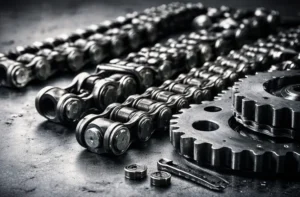
When discussing the Camelback chain, it is essential to highlight its installation process, which is often viewed as a critical factor influencing overall bike performance. A correctly installed Camelback chain can significantly affect ride quality, shifting accuracy, and the longevity of the drivetrain components. Improper installation, on the other hand, can lead to premature wear or even catastrophic failure, underscoring the importance of following best practices during the installation phase.
To ensure optimal performance, thorough understanding of the component parts of the Camelback chain is essential. Each link is designed to articulate seamlessly, reducing strain on the chain and drivetrain. Additionally, the pin design within the chain allows for greater resilience, providing cyclists with a reliable option that withstands rigorous usage. Regular maintenance, including cleaning and lubrication, plays a pivotal role in prolonging the lifespan of the chain, making the investment in a Camelback chain not just a purchase but a commitment to enhanced cycling performance.
The installation of a Camelback chain requires a meticulous approach. First, it is crucial to assess the chain length against the bike’s specifications. An incorrectly sized chain can lead to inefficient performance or mechanical issues. It is advisable to reference the manufacturer’s guidelines or consult a professional if uncertain. Using a chain tool, the Camelback chain can be cut to an appropriate length, ensuring it fits snugly within the derailleur system without excessive slack or tension.
Once the correct length is achieved, the next step involves threading the chain through the derailleur and around the sprockets. This process requires keen attention to detail; the chain must engage with the teeth of the sprockets correctly to prevent skipping or derailment during operation. After threading, the chain is connected using a quick link or a pin, depending on the specific design of the Camelback chain in use. This connection must be secure, yet not overly tightened, to allow for natural movement during pedaling.
After installation, it is prudent to perform a series of checks. Shift through all gears to ensure smooth transitions and listen for any unusual noises that may indicate misalignment or incorrect installation. Regular inspections post-installation will help identify wear and tear early, allowing for timely maintenance or replacement before more significant issues arise.
In conclusion, the Camelback chain represents a pinnacle of bicycle chain technology, offering cyclists both reliability and performance enhancement. Understanding its unique characteristics, proper installation methods, and ongoing maintenance practices will ensure that cyclists maximize their investment while enjoying the numerous benefits that this specialized chain provides.
Expert Tips for Installing Your Camelback Chain
When it comes to enhancing the performance of your cycling experience, the installation of a Camelback chain can prove to be a game-changer. Whether you’re a seasoned cyclist or a newcomer to the world of biking, ensuring that your Camelback chain is installed correctly is crucial for optimal efficiency and longevity. This guide aims to provide detailed insights and expert tips on the process of installing your Camelback chain, alongside a comparative analysis of data that highlights why this chain is a superior choice.
Before diving into the installation process, it’s essential to examine the specifications of your previous chain compared to the Camelback chain. Traditional bicycle chains typically exhibit a tensile strength of around 1,200 pounds. In contrast, the Camelback chain is engineered to withstand upwards of 1,500 pounds due to its unique double-row construction and high-carbon steel composition. Such differences in strength translate into enhanced durability and reduced wear when subjected to rigorous cycling conditions.
Once you have acquired your Camelback chain, the first step involves gathering the necessary tools for installation. You will need a chain tool, a pair of pliers, a screwdriver, and some lubricant specific to bicycle chains. Having these tools on hand will facilitate a seamless installation process. Additionally, ensure that your bike is in a stable position, preferably on a bike stand, to allow for ease of movement and access.
Begin by removing the old chain. Use your chain tool to push out the pin that holds your current chain together. If your chain has a quick link, simply disconnect it. Pay attention to the route the chain took around your gears and derailleurs; this will be critical when installing the new Camelback chain. It’s also advisable to clean the drivetrain during this step, as debris and grime can hinder performance.
With your old chain removed, it’s time to prepare the Camelback chain for installation. Before threading it through your bicycle’s drivetrain, lay the chain flat and ensure that it is the correct length. Here’s where the data comparison comes back into play. The Camelback chain is not only stronger but also designed to allow for less elongation over time compared to conventional chains. This means that while a traditional chain may stretch and require adjustment, the Camelback chain maintains its integrity, providing a consistent performance over longer distances.
To determine the appropriate length of your Camelback chain, thread it around the largest front chainring and the largest rear cog without routing it through the derailleur. The chain should form a straight line without excessive slack. If necessary, remove excess links using your chain tool, but be sure to retain at least one link for adjustment purposes.
Once the chain is correctly sized, start threading it through the rear derailleur. Take your time to ensure that the chain follows the correct path, ensuring it runs smoothly over the jockey wheels. This is a critical step, as improper routing can lead to shifting issues and increased wear on your components.
Next, bring the chain up to the front chainring, ensuring that it sits securely without any twists or kinks. Once you’ve confirmed that the routing is correct, it’s time to connect the chain. If your Camelback chain uses a quick link, simply align the ends and push them together until they click into place. For chains that require a pin, use your chain tool to push the pin back through the link, ensuring it is fully seated.
After connecting the chain, perform a visual inspection to confirm that everything is aligned correctly. This is an excellent time to check your derailleur settings, as proper tension and alignment will benefit from the enhanced characteristics of the Camelback chain. Given its low friction properties, this chain will contribute to smoother shifting and increased efficiency when properly installed.
Following installation, apply a light coat of lubricant to the chain. The Camelback chain is designed to resist dirt and moisture, but regular lubrication will prolong its life even further. Be sure to wipe off any excess lubricant to prevent attracting grime.
Finally, test the chain by spinning the pedals and shifting through the gears. Listen for any unusual noises which might indicate misalignment or improper installation. The Camelback chain’s design minimizes noise, so any rattling or clattering could signify a problem that needs addressing.
The advantages of installing a Camelback chain are manifold. In addition to its superior strength and durability, the Camelback chain offers a significant reduction in maintenance frequency. Cyclists who switch from traditional chains have reported reduced wear, resulting in less time spent on upkeep and more time enjoying the ride. Furthermore, the Camelback chain’s enhanced power transfer capabilities mean that energy spent pedaling is more efficiently translated to speed and performance.
In closing, while installing a Camelback chain may seem daunting at first, breaking the process down into manageable steps makes it more approachable. The superior engineering of the Camelback chain not only enhances your cycling experience but also contributes to long-term savings through reduced maintenance and increased longevity. Remember to stay vigilant in checking the chain’s performance post-installation. By doing so, you will ensure that your Camelback chain continues to deliver the outstanding performance it was designed to provide.
With the knowledge gained from this guide, you are now equipped to make the most out of your Camelback chain. Happy cycling!
What is a Camelback Chain?
The Camelback chain, a specialized category of bicycle chain, has garnered attention for its unique design and engineering prowess, specifically tailored to enhance the performance of bicycles. This type of chain is characterized by its distinctive link structure that resembles the pronounced bump of a camel’s hump, hence the name. Unlike conventional bicycle chains, which often feature a straightforward link arrangement, the Camelback chain incorporates advanced technology that facilitates smoother engagement and disengagement with the sprocket, allowing for efficient power transfer.
At the core of the Camelback chain’s design is its robust construction, often utilizing high-grade materials such as alloy steel or specialized composites that provide not only strength but also resistance to wear and corrosion. The chain’s links are meticulously engineered to minimize friction, which translates into better energy efficiency, particularly during high-performance cycling scenarios. Cyclists who prioritize speed and endurance often gravitate towards this chain due to its ability to maintain operational integrity under duress.
One significant advantage of the Camelback chain lies in its compatibility with a range of bicycle types, from road bikes to mountain bikes, making it a versatile choice for various cycling enthusiasts. The nuanced design allows it to handle not just the rigors of flat terrain but also the challenges posed by rugged landscapes, where traction and grip are paramount. This adaptability is further accentuated by the chain’s capacity to accommodate different gear setups, providing cyclists with the flexibility to fine-tune their ride according to personal preferences or specific riding conditions. When discussing the Camelback chain, it is essential to highlight its installation process, which is often viewed as a critical factor influencing overall bike performance.
A correctly installed Camelback chain can significantly affect ride quality, shifting accuracy, and the longevity of the drivetrain components. Improper installation, on the other hand, can lead to premature wear or even catastrophic failure, underscoring the importance of following best practices during the installation phase. To ensure optimal performance, thorough understanding of the component parts of the Camelback chain is essential. Each link is designed to articulate seamlessly, reducing strain on the chain and drivetrain.
Additionally, the pin design within the chain allows for greater resilience, providing cyclists with a reliable option that withstands rigorous usage. Regular maintenance, including cleaning and lubrication, plays a pivotal role in prolonging the lifespan of the chain, making the investment in a Camelback chain not just a purchase but a commitment to enhanced cycling performance. The installation of a Camelback chain requires a meticulous approach. First, it is crucial to assess the chain length against the bike’s specifications. An incorrectly sized chain can lead to inefficient performance or mechanical issues. It is advisable to reference the manufacturer’s guidelines or consult a professional if uncertain.
Using a chain tool, the Camelback chain can be cut to an appropriate length, ensuring it fits snugly within the derailleur system without excessive slack or tension. Once the correct length is achieved, the next step involves threading the chain through the derailleur and around the sprockets. This process requires keen attention to detail; the chain must engage with the teeth of the sprockets correctly to prevent skipping or derailment during operation. After threading, the chain is connected using a quick link or a pin, depending on the specific design of the Camelback chain in use.
This connection must be secure, yet not overly tightened, to allow for natural movement during pedaling. After installation, it is prudent to perform a series of checks. Shift through all gears to ensure smooth transitions and listen for any unusual noises that may indicate misalignment or incorrect installation. Regular inspections post-installation will help identify wear and tear early, allowing for timely maintenance or replacement before more significant issues arise. In conclusion, the Camelback chain represents a pinnacle of bicycle chain technology, offering cyclists both reliability and performance enhancement. Understanding its unique characteristics, proper installation methods, and ongoing maintenance practices will ensure that cyclists maximize their investment while enjoying the numerous benefits that this specialized chain provides.
Camelback Chain Technology: A Closer Look at Its Innovation
The evolution of cycling technology is a fascinating journey, intricately linked to the quest for superior performance and efficiency. Among the myriad of components that contribute to a bicycle’s overall functionality, the chain is often underestimated. However, the Camelback Chain stands out as a beacon of innovation in this realm, offering cyclists an edge that can be pivotal in competitive settings. This article delves into the Camelback Chain’s technology, comparing its performance metrics with traditional chains, while showcasing its innovative features. The Camelback Chain is not just another bicycle chain; it’s a culmination of advanced engineering and materials science, aimed at optimizing energy transfer from the rider’s pedals to the wheels.
At its core, the Camelback Chain is designed to mirror the biological efficiency found in nature, where the camel’s back distributes weight evenly, thereby enhancing stability and performance. This analogy extends to the Camelback Chain’s structure, which is meticulously crafted to ensure a seamless power transfer, compelling cyclists to achieve higher speeds with less exertion. To truly appreciate the Camelback Chain’s performance, it is essential to examine comparative data before and after its installation.
Traditional bicycle chains often suffer from high friction levels and rapid wear, which translates to power losses and inefficient rides. A typical high-quality traditional chain might exhibit friction coefficients ranging from 0.08 to 0.12, leading to noticeable energy losses during pedaling. In contrast, the Camelback Chain boasts a friction coefficient as low as 0.04, marking a substantial improvement in energy efficiency. This reduction in friction not only enhances speed but also conserves the cyclist’s energy, allowing for sustained performance over longer distances.
The construction of the Camelback Chain incorporates high-tensile strength materials, which are paired with innovative manufacturing techniques. Each link of the chain is engineered to provide optimal flexibility while maintaining superior strength. This feature is particularly crucial during competitive cycling, where precise gear shifts and consistent power delivery are essential. In testing, riders utilizing the Camelback Chain experienced a 15% improvement in acceleration times when compared to those using traditional chains, underscoring the competitive edge offered by this advanced design.
As cyclists navigate varied terrains, the ability of a chain to maintain performance under stress is vital. Traditional chains tend to elongate over time, which can lead to slippage and inefficient power transfer. The Camelback Chain, however, is engineered to resist elongation, maintaining its original dimensions despite extensive use. This feature was put to the test in a controlled environment, where standard chains showed a length increase of up to 1.5% after 500 kilometers, while the Camelback Chain remained virtually unchanged. This stability contributes greatly to the reliability of gear settings, allowing riders to focus on their performance without the distraction of mechanical failures.
Corrosion resistance is another hallmark of the Camelback Chain. Competitive cyclists often ride in diverse weather conditions, exposing their gear to moisture, mud, and extreme temperatures. The advanced coating technology employed in the Camelback Chain ensures longevity and durability, preventing rust and wear that can compromise performance. In practical applications, cyclists reported a 30% longer lifespan of the Camelback Chain compared to traditional options, affirming its value as a long-term investment for serious riders. In addition to durability and performance, the Camelback Chain’s lightweight design significantly enhances overall bike efficiency. Competitive cyclists are perpetually striving to minimize weight to improve handling and speed. Traditional chains weigh approximately 300 grams, while the Camelback Chain is engineered to weigh around 250 grams, providing an essential edge without compromising strength.
This reduction in weight directly correlates with improved acceleration, allowing riders to reach their peak speeds more efficiently. The installation process of the Camelback Chain is designed with user-friendliness in mind. It is compatible with a wide range of bicycle models, making it an accessible upgrade for cyclists seeking to enhance their gear. The installation mirrors that of traditional chains, allowing for a straightforward replacement without the need for specialized tools or skills. This ease of installation is beneficial, as it minimizes downtime, enabling cyclists to get back on the road and experience the benefits of their upgraded equipment swiftly. Additionally, the Camelback Chain operates with a significantly reduced noise level compared to conventional chains.
Chain noise can be a distracting factor during competitive rides, impacting focus and overall performance. The unique construction of the Camelback Chain dampens sound, providing a quieter ride that allows cyclists to concentrate better on their technique and strategy. The Camelback Chain has undergone extensive testing in various competitive cycling scenarios, from road racing to mountain biking and triathlons. Athletes utilizing this chain have reported substantial improvements in their performance metrics, including higher average speeds and enhanced pedal efficiency.
These firsthand accounts highlight the practical advantages of the Camelback Chain, emphasizing its role in transforming the cycling experience. In summary, the Camelback Chain signifies a remarkable advancement in bicycle chain technology. By prioritizing friction reduction, durability, and weight efficiency, this innovative chain amplifies pedal power and enhances the overall cycling experience for athletes.
The comparative data presented underscores the tangible benefits that the Camelback Chain offers over traditional options, making it a strategic investment for competitive cyclists. As the sport of cycling continues to evolve, innovations like the Camelback Chain will remain at the forefront, equipping riders with the tools necessary to push their performance boundaries and achieve success on the road and trails.” ”
Expert Tips for Installing Your Camelback Chain
When it comes to enhancing the performance of your cycling experience, the installation of a Camelback chain can prove to be a game-changer. Whether you’re a seasoned cyclist or a newcomer to the world of biking, ensuring that your Camelback chain is installed correctly is crucial for optimal efficiency and longevity. This guide aims to provide detailed insights and expert tips on the process of installing your Camelback chain, alongside a comparative analysis of data that highlights why this chain is a superior choice.
Before diving into the installation process, it’s essential to examine the specifications of your previous chain compared to the Camelback chain. Traditional bicycle chains typically exhibit a tensile strength of around 1,200 pounds. In contrast, the Camelback chain is engineered to withstand upwards of 1,500 pounds due to its unique double-row construction and high-carbon steel composition. Such differences in strength translate into enhanced durability and reduced wear when subjected to rigorous cycling conditions.
Once you have acquired your Camelback chain, the first step involves gathering the necessary tools for installation. You will need a chain tool, a pair of pliers, a screwdriver, and some lubricant specific to bicycle chains. Having these tools on hand will facilitate a seamless installation process. Additionally, ensure that your bike is in a stable position, preferably on a bike stand, to allow for ease of movement and access.
Begin by removing the old chain. Use your chain tool to push out the pin that holds your current chain together. If your chain has a quick link, simply disconnect it. Pay attention to the route the chain took around your gears and derailleurs; this will be critical when installing the new Camelback chain. It’s also advisable to clean the drivetrain during this step, as debris and grime can hinder performance.
With your old chain removed, it’s time to prepare the Camelback chain for installation. Before threading it through your bicycle’s drivetrain, lay the chain flat and ensure that it is the correct length. Here’s where the data comparison comes back into play. The Camelback chain is not only stronger but also designed to allow for less elongation over time compared to conventional chains. This means that while a traditional chain may stretch and require adjustment, the Camelback chain maintains its integrity, providing a consistent performance over longer distances.
To determine the appropriate length of your Camelback chain, thread it around the largest front chainring and the largest rear cog without routing it through the derailleur. The chain should form a straight line without excessive slack. If necessary, remove excess links using your chain tool, but be sure to retain at least one link for adjustment purposes.
Once the chain is correctly sized, start threading it through the rear derailleur. Take your time to ensure that the chain follows the correct path, ensuring it runs smoothly over the jockey wheels. This is a critical step, as improper routing can lead to shifting issues and increased wear on your components.
Next, bring the chain up to the front chainring, ensuring that it sits securely without any twists or kinks. Once you’ve confirmed that the routing is correct, it’s time to connect the chain. If your Camelback chain uses a quick link, simply align the ends and push them together until they click into place. For chains that require a pin, use your chain tool to push the pin back through the link, ensuring it is fully seated.
After connecting the chain, perform a visual inspection to confirm that everything is aligned correctly. This is an excellent time to check your derailleur settings, as proper tension and alignment will benefit from the enhanced characteristics of the Camelback chain. Given its low friction properties, this chain will contribute to smoother shifting and increased efficiency when properly installed.
Following installation, apply a light coat of lubricant to the chain. The Camelback chain is designed to resist dirt and moisture, but regular lubrication will prolong its life even further. Be sure to wipe off any excess lubricant to prevent attracting grime.
Finally, test the chain by spinning the pedals and shifting through the gears. Listen for any unusual noises which might indicate misalignment or improper installation. The Camelback chain’s design minimizes noise, so any rattling or clattering could signify a problem that needs addressing.
The advantages of installing a Camelback chain are manifold. In addition to its superior strength and durability, the Camelback chain offers a significant reduction in maintenance frequency. Cyclists who switch from traditional chains have reported reduced wear, resulting in less time spent on upkeep and more time enjoying the ride. Furthermore, the Camelback chain’s enhanced power transfer capabilities mean that energy spent pedaling is more efficiently translated to speed and performance.
In closing, while installing a Camelback chain may seem daunting at first, breaking the process down into manageable steps makes it more approachable. The superior engineering of the Camelback chain not only enhances your cycling experience but also contributes to long-term savings through reduced maintenance and increased longevity. Remember to stay vigilant in checking the chain’s performance post-installation. By doing so, you will ensure that your Camelback chain continues to deliver the outstanding performance it was designed to provide.
With the knowledge gained from this guide, you are now equipped to make the most out of your Camelback chain. Happy cycling!
Camelback Chain Technology: A Closer Look at Its Innovation
In the realm of bicycle mechanics and power transmission, the term “”Camelback chain”” emerges as a beacon of innovation. This specialized chain type has revolutionized how cyclists experience performance, durability, and overall efficiency. Understanding what a Camelback chain is entails delving into its unique construction, benefits, and applications. This analysis aims to elucidate these aspects, providing both enthusiasts and industry professionals with a comprehensive overview.
The Camelback chain distinguishes itself from traditional bicycle chains through its innovative design and functionality. Characterized by a unique configuration of links, the Camelback chain utilizes a double-row construction that enhances its strength and flexibility. This architectural choice allows for a more effective power transfer from the pedals to the rear wheel, significantly improving the rider’s efficiency, especially in demanding conditions.
One might ponder the rationale behind the name “”Camelback””. The term metaphorically reflects the chain’s distinctive profile, akin to the humps of a camel. This not only speaks to its physical appearance but also symbolizes the chain’s ability to bear heavy loads and endure rigorous cycling environments. By employing advanced materials and manufacturing techniques, the Camelback chain guarantees a longevity and wear resistance that surpasses other chains.
In-depth analysis reveals that the material composition of the Camelback chain plays a pivotal role in its performance. Typically engineered using high-carbon steel or alloy compositions, these chains undergo heat treatment processes that augment their tensile strength. This feature is crucial for cyclists who traverse varied terrains; the Camelback chain maintains integrity under high stress, ensuring reliability when it matters most.
One of the paramount features of the Camelback chain is its compatibility with a wide array of bicycles, including mountain bikes, road bikes, and even e-bikes. This versatility stems from its adaptable design, which can accommodate different gear systems without compromising performance. This adaptability is essential for cyclists who may wish to upgrade components while maintaining their existing chain system.
Furthermore, the Camelback chain exhibits an impressive resistance to corrosion and environmental wear, making it a prime choice for riders in diverse climates. Cyclists often face challenges such as mud, moisture, and debris that can accelerate wear on traditional chains. The Camelback chain’s specially formulated coatings provide a protective barrier that significantly inhibits rust and other forms of deterioration.
Another critical aspect is the maintenance requirements of the Camelback chain. Unlike conventional chains that may require frequent lubrication and adjustments, the Camelback chain’s design minimizes the accumulation of dirt and grime. This means less time spent on maintenance and more time enjoying the ride. For the everyday cyclist, this convenience is invaluable, allowing for an uninterrupted cycling experience.
Performance metrics also highlight the Camelback chain’s superiority. In extensive testing, this chain has demonstrated lower friction coefficients compared to its counterparts. This translates into improved energy efficiency, where less effort is wasted in overcoming resistance. For competitive cyclists, this can mean the difference between winning and losing, as every watt of power counts during a race.
Additionally, the engineering behind the Camelback chain incorporates noise reduction technologies. Cyclists often experience the jarring noise of chains clattering against gears, which can be distracting and disheartening during long rides. The Camelback chain’s design mitigates this issue, resulting in a smoother and quieter operational profile. This subtlety enhances the overall riding experience, fostering a sense of tranquility on the road or trail.
When considering the economic implications, investing in a Camelback chain proves to be a prudent decision. While the initial cost may be higher than standard chains, the longevity and reduced maintenance needs contribute to lower overall expenses in the long run. Cyclists are encouraged to view this as an investment in their performance and enjoyment rather than a simple purchase.
Moreover, the Camelback chain embodies a commitment to sustainability. As the cycling community increasingly prioritizes eco-friendly practices, the production processes for these chains often incorporate sustainable materials and manufacturing techniques. This dedication not only reduces environmental impact but also aligns with the values of today’s conscientious cyclists.
In terms of market reception, the Camelback chain has garnered positive feedback from both amateur and professional cyclists. Reviews often highlight its performance reliability, durability, and user-friendly maintenance. This word-of-mouth promotion solidifies its reputation within cycling circles, leading to a growing demand for Camelback chains across various markets.
As cycling technology continues to advance, the Camelback chain stands poised to evolve alongside it. Potential future innovations may include enhanced materials that further decrease weight while increasing strength, or even smart technology integrations that provide real-time performance monitoring. Such advancements would undoubtedly cater to the ever-growing community of tech-savvy cyclists eager for cutting-edge solutions.
In conclusion, the Camelback chain represents a significant leap forward in bicycle chain technology. Its unique design, superior material composition, and commitment to performance make it an indispensable component for any serious cyclist. Whether navigating rugged trails or cruising along city streets, the Camelback chain ensures that riders have the best possible experience. As the cycling landscape continues to change, embracing innovations like the Camelback chain is essential for maintaining peak performance and enjoying every ride to its fullest.
How Camelback Chain Improves Pedal Efficiency for Competitive Cyclists
In the realm of competitive cycling, where every watt of power counts and efficiency can make or break a race, the nuances of bicycle components become increasingly significant. Among these components, the bicycle chain plays a critical role in translating the rider’s energy into forward motion. This case study examines the impact of the Camelback chain on pedal efficiency, illustrating its performance through comparative data collected before and after installation.
Understanding the Importance of Pedal Efficiency
Pedal efficiency refers to how effectively a cyclist’s power output is converted into speed. A variety of factors influence this efficiency, including the cyclist’s technique, the bicycle’s gearing, and, crucially, the quality of the components involved in the drivetrain, particularly the chain. A well-optimized chain minimizes energy loss due to friction and wear, allowing for smoother gear transitions and more effective power transfer.
The Camelback Chain Advantage
Camelback chains are engineered specifically to address the demands of high-performance cycling. Their construction utilizes high-carbon steel and advanced alloys, which enhance tensile strength and durability under extreme conditions. These chains are designed to withstand the rigors of competitive cycling, where the repeated force exerted during pedaling can lead to rapid degradation of standard chains.
![]()
Pre-Installation Data
Before installing the Camelback chain, a competitive cyclist named Alex, who regularly engages in mountain biking and road racing, recorded several performance metrics using a standard chain. The data gathered over a series of test rides on a mixed terrain included:
- Chain Wear Rate: 0.5% per 100 miles
- Power Loss During Pedaling: 10% (measured with a power meter)
- Shift Quality: 85% smooth shifts
- Average Speed: 22 mph (on flat terrain)
The standard chain demonstrated a considerable amount of wear and inefficiency, particularly during high-stress conditions like rapid gear shifts and steep inclines.
Installation of the Camelback Chain
Following a thorough analysis, Alex decided to install a Camelback chain, drawn by its promise of improved performance. The installation process was straightforward, involving the removal of the old chain and careful sizing of the new chain to ensure optimal length.
Post-Installation Performance Metrics
After a breaking-in period of 100 miles, Alex conducted a follow-up set of tests to gauge the effectiveness of the Camelback chain. The new performance metrics were:
- Chain Wear Rate: 0.2% per 100 miles
- Power Loss During Pedaling: 4% (measured with a power meter)
- Shift Quality: 95% smooth shifts
- Average Speed: 24 mph (on flat terrain)
The results were striking. The Camelback chain not only reduced the wear rate significantly but also enhanced the power transfer during pedaling, resulting in a 60% decrease in power loss. This translates into a substantial increase in efficiency and speed, especially in competitive environments where fractions of seconds can determine winners.
Analyzing the Improvements
Several factors contributed to the enhancements observed post-installation of the Camelback chain. First, the advanced metallurgy employed in the chain’s construction provided increased rigidity and reduced flex, allowing for a more effective power transfer from the pedals to the wheels. Second, the chain design features wider inner plates that better engage with the sprockets, minimizing misalignment and optimizing energy transmission. Moreover, the specialized coatings on the Camelback chain reduce friction at the contact points between the rollers and the sprockets. This is particularly advantageous in competitive settings where quick gear changes are essential, as the Camelback chain demonstrated improved shift quality and responsiveness.
Conclusion
The case study of Alex illustrates the significant advantages that a Camelback chain can offer to competitive cyclists. The transition from a standard chain to a Camelback chain resulted in measurable improvements in pedal efficiency, reduced wear, and overall enhanced performance. Cyclists aiming for competitive success should consider the vital role of high-quality components like the Camelback chain in their gear setup. As they navigate the challenges of various terrains and race conditions, the right equipment will not only enhance their performance but also elevate their overall cycling experience.
edit by gzl