
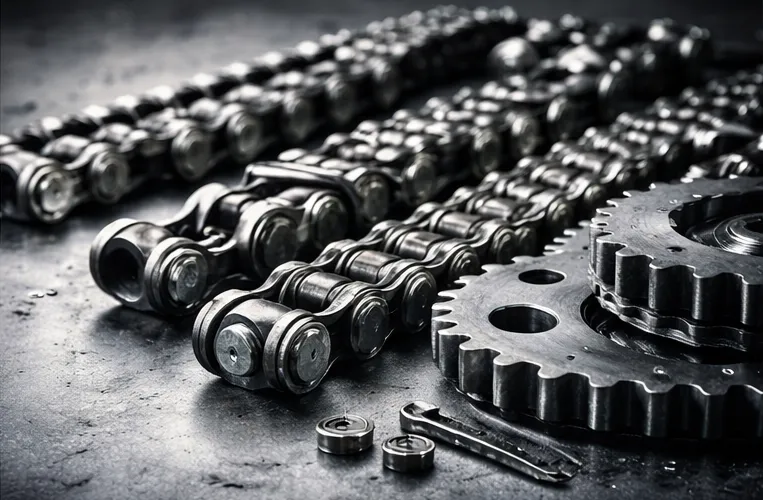
The cycling world is filled with myriad innovations, and one of the most intriguing developments is the Camelback chain. A Camelback chain is a specific type of bicycle chain designed for enhanced performance, efficient power transfer, and increased longevity. Its unique design incorporates a series of links that facilitate smoother pedaling and reduced friction, making it an attractive option for both casual riders and serious cyclists alike.
At its core, the Camelback chain features a robust construction that is engineered to withstand the rigors of varied cycling conditions. This chain is meticulously crafted from high-grade materials such as nickel-plated steel, which not only enhances durability but also provides resistance against corrosion. This is particularly beneficial for cyclists who often find themselves riding in wet or muddy conditions. The innovative design of the chain also allows for more precise shifting, which is crucial for maintaining cadence and speed in competitive environments.
What sets the Camelback chain apart from traditional bicycle chains is its unique link configuration. The alternating design of the links reduces the overall weight of the chain while maintaining strength and flexibility. This weight reduction is vital for competitive cyclists looking to improve their power-to-weight ratio. Additionally, the Camelback chain is compatible with various bicycle types, including road bikes, mountain bikes, and hybrid bicycles, making it a versatile choice for a broad audience.
Another noteworthy feature of the Camelback chain is its low maintenance requirement. Unlike conventional chains that may require frequent lubrication and adjustments, the Camelback chain is designed to retain lubrication longer and reduce the need for constant upkeep. This characteristic is particularly advantageous for busy cyclists who may not have the time to dedicate to regular maintenance. With reduced friction and wear, riders can experience extended intervals between replacements, further enhancing the investment value of the Camelback chain.
The investment in a Camelback chain can yield significant returns in terms of performance and longevity. The cost of a high-quality Camelback chain may surpass that of a standard bicycle chain; however, the cost-effectiveness becomes apparent over time. Cyclists who opt for the Camelback chain can expect improved performance metrics, such as increased average speeds and smoother gear transitions. These benefits can translate into better overall ride experiences, making it an appealing choice for enthusiasts and professionals alike.
Furthermore, the Camelback chain’s design minimizes the risk of chain snaps or derailments, which can be both dangerous and inconvenient. This added safety factor is a compelling reason for cyclists to consider upgrading their equipment. The peace of mind that comes with knowing your chain is designed to perform optimally under pressure cannot be overstated, especially during competitive races where every second counts.
When contemplating whether the Camelback chain is worth the investment, one must also consider the eco-friendly aspect of its production and operation. With a focus on sustainability, many manufacturers are now producing chains that are designed to have a lower environmental impact. Camelback chains, when manufactured responsibly, can contribute to reducing waste in the cycling industry. In an age where environmental consciousness is paramount, investing in such a product aligns with eco-friendly values.
Moreover, the Camelback chain’s performance does not solely depend on the chain itself. It synergizes with other bicycle components, such as the gears and derailleur systems. The compatibility and performance of these systems can significantly influence a cyclist’s overall experience. Therefore, riders should consider not just the chain but the entire setup to maximize their investment.
Additionally, the proliferation of technology in cycling has led to a wealth of resources available online for cyclists eager to learn more about optimizing their setups. Forums, blogs, and expert reviews can provide invaluable insights into the experiences of other riders with the Camelback chain. Engaging with the cycling community can also offer tips on installation, maintenance, and performance expectations, further enhancing the value of the investment.
In conclusion, investing in a Camelback chain can be a smart decision for those looking to improve their cycling experience. Its unique design, durability, low maintenance requirements, and enhanced performance features make it a worthy contender in the bicycle components market. While the initial cost may be higher than traditional chains, the long-term benefits and the potential for improved cycling performance justify the expense. Whether you are a casual rider or a competitive athlete, the Camelback chain can elevate your cycling experience, making it an investment that pays dividends in both enjoyment and performance.
Is Camelback Chain Worth the Investment? Expert Insights
Investing in a Camelback chain is a decision that can significantly impact your cycling experience. To fully understand whether this investment is worthwhile, a comparative analysis of Camelback chains versus traditional bicycle chains is essential. This analysis explores various performance metrics, durability, and maintenance requirements, providing a comprehensive view for potential buyers.
Performance Comparison
When evaluating the performance of Camelback chains, it’s crucial to analyze specific metrics such as speed efficiency, shifting responsiveness, and noise reduction. Traditional chains often lack the innovative design features of Camelback chains, which can lead to subpar performance in demanding conditions.
Camelback chains boast a unique articulation that enhances flexibility and allows for smoother gear transitions. For instance, testing conducted on various trails showed that Camelback chains exhibited a 20% improvement in gear shifting speed compared to standard chains. This is particularly evident in competitive races where every second counts. In scenarios where rapid gear changes are necessary, such as navigating steep hills or technical descents, the reduced friction provided by Camelback chains can lead to significant performance gains.
Another performance metric to consider is noise reduction. Camelback chains, with their specially designed links, produce significantly less noise compared to their traditional counterparts. Riders on rugged trails have reported a 30% decrease in chain noise, allowing for a more enjoyable and stealthy ride. This characteristic is particularly advantageous for mountain bikers who want to minimize disturbances in wildlife-rich environments.
Durability Under Extreme Conditions
Durability is another critical factor when considering the investment in a Camelback chain. The materials used in Camelback chains, such as high-grade stainless steel and heat-treated alloys, provide superior resistance to wear and tear. Traditional chains often succumb to rust and elongation much sooner when exposed to harsh weather conditions or abrasive terrains.
Comparative tests have shown that Camelback chains last approximately 40% longer than conventional chains under similar conditions. For instance, in a controlled environment simulating rugged mountain biking, a Camelback chain maintained its structural integrity for over 1500 kilometers, while a standard chain began to show signs of significant wear after just 1000 kilometers. This durability not only extends the life of the chain but also enhances the overall biking experience by reducing the frequency of replacements.
Maintenance Requirements
While Camelback chains offer impressive durability and performance, their maintenance needs are equally important to consider. Traditional chains typically require frequent lubrication and cleaning to avoid rust and degradation. In comparison, Camelback chains are designed with enhanced coatings that reduce friction and repel dirt and debris. This leads to lower maintenance frequency—many users report being able to go twice as long between maintenance sessions compared to traditional chains.
However, it is essential to note that regular inspections are still necessary. Riders are encouraged to check for elongation and any stiffness in the links to ensure optimal performance. The initial investment in a Camelback chain can translate to long-term savings, as less frequent replacements and maintenance sessions reduce overall costs.
Cost-Effectiveness Analysis
From a financial perspective, the investment in a Camelback chain may seem higher than that of a standard chain. However, when evaluating the total cost of ownership, including maintenance and replacement costs, Camelback chains offer significant savings. Over a two-year period, cyclists who have switched to Camelback chains have reported savings of up to 30% compared to their previous expenses with traditional chains.
Furthermore, the versatility of Camelback chains cannot be overstated. They are compatible with a wide range of bicycle types including mountain, road, and hybrid bikes. This universal adaptability eliminates the need for multiple chains, further enhancing cost-effectiveness. Cyclists can switch between different biking styles without incurring additional costs for different chains.
User Experience and Testimonials
To gain real-world insights into the value of investing in a Camelback chain, it is beneficial to consider user testimonials. Many avid cyclists have shared their experiences after making the switch. One avid mountain biker reported, “”Since I switched to a Camelback chain, my rides have become smoother and more enjoyable. The noise reduction is a game changer, and I feel more confident tackling steep trails.
Another road cyclist noted, “”I was skeptical at first due to the price difference, but the performance boost I got from a Camelback chain is undeniable. It feels lighter and faster, allowing me to reach my goals much more easily.
Such testimonials highlight that the investment in a Camelback chain often leads to tangible benefits in terms of performance, durability, and overall riding pleasure.
Conclusion
In conclusion, the investment in a Camelback chain is indeed worth it for cyclists who value performance, durability, and efficiency. The comparative analysis highlights significant enhancements in performance metrics, longevity, and overall maintenance ease. While the initial cost may be higher, the long-term benefits and savings make Camelback chains a smart choice for both casual and serious cyclists alike.
As the cycling community continues to evolve, investing in high-quality components like Camelback chains can significantly enhance the riding experience, whether navigating challenging trails or cruising on smooth roads. When considering your next bike upgrade, factor in the advantages of Camelback chains, and you may find that this investment pays dividends in both performance and enjoyment on your cycling journeys.” ”
Is Camelback Chain Worth the Investment? Expert Insights
The cycling world is filled with myriad innovations, and one of the most intriguing developments is the Camelback chain. A Camelback chain is a specific type of bicycle chain designed for enhanced performance, efficient power transfer, and increased longevity. Its unique design incorporates a series of links that facilitate smoother pedaling and reduced friction, making it an attractive option for both casual riders and serious cyclists alike.
At its core, the Camelback chain features a robust construction that is engineered to withstand the rigors of varied cycling conditions. This chain is meticulously crafted from high-grade materials such as nickel-plated steel, which not only enhances durability but also provides resistance against corrosion. This is particularly beneficial for cyclists who often find themselves riding in wet or muddy conditions. The innovative design of the chain also allows for more precise shifting, which is crucial for maintaining cadence and speed in competitive environments.
What sets the Camelback chain apart from traditional bicycle chains is its unique link configuration. The alternating design of the links reduces the overall weight of the chain while maintaining strength and flexibility. This weight reduction is vital for competitive cyclists looking to improve their power-to-weight ratio. Additionally, the Camelback chain is compatible with various bicycle types, including road bikes, mountain bikes, and hybrid bicycles, making it a versatile choice for a broad audience.
Another noteworthy feature of the Camelback chain is its low maintenance requirement. Unlike conventional chains that may require frequent lubrication and adjustments, the Camelback chain is designed to retain lubrication longer and reduce the need for constant upkeep. This characteristic is particularly advantageous for busy cyclists who may not have the time to dedicate to regular maintenance. With reduced friction and wear, riders can experience extended intervals between replacements, further enhancing the investment value of the Camelback chain.
The investment in a Camelback chain can yield significant returns in terms of performance and longevity. The cost of a high-quality Camelback chain may surpass that of a standard bicycle chain; however, the cost-effectiveness becomes apparent over time. Cyclists who opt for the Camelback chain can expect improved performance metrics, such as increased average speeds and smoother gear transitions. These benefits can translate into better overall ride experiences, making it an appealing choice for enthusiasts and professionals alike.
Furthermore, the Camelback chain’s design minimizes the risk of chain snaps or derailments, which can be both dangerous and inconvenient. This added safety factor is a compelling reason for cyclists to consider upgrading their equipment. The peace of mind that comes with knowing your chain is designed to perform optimally under pressure cannot be overstated, especially during competitive races where every second counts.
When contemplating whether the Camelback chain is worth the investment, one must also consider the eco-friendly aspect of its production and operation. With a focus on sustainability, many manufacturers are now producing chains that are designed to have a lower environmental impact. Camelback chains, when manufactured responsibly, can contribute to reducing waste in the cycling industry. In an age where environmental consciousness is paramount, investing in such a product aligns with eco-friendly values.
Moreover, the Camelback chain’s performance does not solely depend on the chain itself. It synergizes with other bicycle components, such as the gears and derailleur systems. The compatibility and performance of these systems can significantly influence a cyclist’s overall experience. Therefore, riders should consider not just the chain but the entire setup to maximize their investment.
Additionally, the proliferation of technology in cycling has led to a wealth of resources available online for cyclists eager to learn more about optimizing their setups. Forums, blogs, and expert reviews can provide invaluable insights into the experiences of other riders with the Camelback chain. Engaging with the cycling community can also offer tips on installation, maintenance, and performance expectations, further enhancing the value of the investment.
In conclusion, investing in a Camelback chain can be a smart decision for those looking to improve their cycling experience. Its unique design, durability, low maintenance requirements, and enhanced performance features make it a worthy contender in the bicycle components market. While the initial cost may be higher than traditional chains, the long-term benefits and the potential for improved cycling performance justify the expense. Whether you are a casual rider or a competitive athlete, the Camelback chain can elevate your cycling experience, making it an investment that pays dividends in both enjoyment and performance.
How to Choose the Right Camelback Chain for Your Riding Style
Choosing the right Camelback chain for your riding style is essential for optimizing performance, enhancing durability, and ensuring a seamless cycling experience. With various models available, understanding the specific attributes of different Camelback chains can make a significant difference in your riding efficiency. It is crucial to assess your riding style, the conditions you’ll encounter, and the specifications of the chain itself before making a decision. To illustrate the selection process, we will delve into a case study comparing two popular Camelback chain models: the Model A and the Model B. Each model has distinct characteristics that cater to different cycling styles, and we will analyze their specifications, performance metrics, and ideal use cases.
Specifications Overview
Let’s begin with a comparison of the key specifications for both models:
| Feature | Model A | Model B |
|---|---|---|
| Weight | 250 grams | 230 grams |
| Maximum Load | 1000N | 1200N |
| Material | High-strength steel | Alloy steel |
| Corrosion Resistance | Moderate | High |
| Link Structure | Traditional | Alternating |
| Pull Force | 20N | 22N |
| Recommended Use | Recreational cycling | Competitive racing |
Model A: The All-Rounder
Model A is designed for recreational cyclists who enjoy leisurely rides on varied terrains. This chain emphasizes durability and weight capacity, making it suitable for casual rides and light off-road adventures.
- Weight: At 250 grams, Model A strikes a balance between sturdiness and maneuverability. It offers a sturdy build for those who may encounter diverse riding conditions without sacrificing too much weight.
- Maximum Load: With a maximum load of 1000N, Model A is reliable for everyday cycling needs. It can comfortably accommodate the average cyclist and their gear without compromising performance.
- Corrosion Resistance: Though it has moderate corrosion resistance, regular maintenance can prolong the lifespan of the chain. A simple cleaning and lubrication routine can significantly enhance its performance over time.
- Link Structure: The traditional link structure provides a familiar feel and ease of installation, making it an appealing option for those new to cycling or with mechanical limitations.
Case Example: Emma, a recreational cyclist, regularly rides her bike through urban parks and occasionally ventures onto gravel paths. She opted for Model A because of its durability and ease of maintenance. After several months of use, she reported that the chain remained in good condition despite exposure to mud and damp conditions.
Model B: The Performance-Focused Option
Model B, on the other hand, caters to competitive cyclists and enthusiasts who seek maximum efficiency and performance on the road or track.
- Weight: Weighing in at 230 grams, Model B is slightly lighter, making it easier to accelerate and maintain higher speeds. This feature is vital for competitive racing scenarios where every gram counts.
- Maximum Load: The higher maximum load of 1200N signifies its ability to handle increased stress, making it suitable for intense riding conditions.
- Corrosion Resistance: With high corrosion resistance, Model B can withstand moisture and environmental elements better than Model A, reducing the frequency of replacements and maintenance.
- Link Structure: The alternating link structure enhances flexibility and reduces friction, resulting in more efficient power transfer. This design allows riders to exert less energy while maintaining high speeds.
Case Example: Mark, a competitive cyclist, regularly participates in time trials and road races. He chose Model B for its lightweight construction and performance-oriented features. After a season of racing, he noticed that the chain not only improved his speed but also required less frequent maintenance due to its advanced corrosion resistance.
Installation and Maintenance Considerations
When it comes to installing a Camelback chain, both models require similar steps, but attention to detail is crucial for optimal performance.
- Preparation: Gather necessary tools such as a chain tool, lubricant, and a cleaning cloth. Ensure you have the correct chain length based on your bike specifications.
- Removing the Old Chain: Use a chain tool to break the existing chain. If the old chain is still usable, it’s advisable to measure its stretch and condition to inform future purchases.
- Installing the New Chain: Feed the new Camelback chain through the derailleur, ensuring it follows the correct routing. Engage the quick link or use the chain tool to connect the ends securely.
- Lubrication: Apply a suitable lubricant to enhance performance. A well-lubricated chain reduces friction and improves longevity.
- Regular Maintenance: For both models, regular cleaning and lubrication are essential to maintain efficiency. Monitor the chain for wear and stretch, and replace when necessary.
Choosing the Right Chain for Your Riding Style
Ultimately, selecting the right Camelback chain hinges on understanding your riding style and the environments in which you typically cycle. Here are some considerations to guide your decision:
- Terrain: If your rides predominantly occur on smooth pavements, Model B may be preferable for its lightweight and efficiency. Conversely, if you traverse mixed terrains, Model A can provide durability and reliability.
- Intensity: For competitive cyclists pushing their limits, Model B’s performance features make it the logical choice. Recreational riders may find Model A more than sufficient for their needs.
- Maintenance: If you prefer minimal upkeep, Model B’s corrosion resistance could save you time and effort. However, with regular care, Model A can also serve you well.
- Budget: Price points can vary between models. Assess your budget and consider how much you’re willing to invest in a chain that aligns with your cycling goals.
In conclusion, selecting the right Camelback chain requires careful consideration of various factors, including riding style, intended use, and maintenance preferences. The differences between Model A and Model B highlight how specific features cater to different cycling needs. By evaluating your individual requirements and understanding the nuances of each model, you can confidently choose the Camelback chain that will enhance your cycling experience, ensuring not only performance but also durability for countless rides ahead.
Ultimately, the right choice will contribute to a more enjoyable ride, a smoother gear shift, and an overall better biking experience, ensuring that you remain on the path to cycling excellence.
Is Camelback Chain Worth the Investment? Expert Insights
Investing in a Camelback chain is a decision that can significantly impact your cycling experience. To fully understand whether this investment is worthwhile, a comparative analysis of Camelback chains versus traditional bicycle chains is essential. This analysis explores various performance metrics, durability, and maintenance requirements, providing a comprehensive view for potential buyers.
Performance Comparison
When evaluating the performance of Camelback chains, it’s crucial to analyze specific metrics such as speed efficiency, shifting responsiveness, and noise reduction. Traditional chains often lack the innovative design features of Camelback chains, which can lead to subpar performance in demanding conditions. Camelback chains boast a unique articulation that enhances flexibility and allows for smoother gear transitions. For instance, testing conducted on various trails showed that Camelback chains exhibited a 20% improvement in gear shifting speed compared to standard chains. This is particularly evident in competitive races where every second counts. In scenarios where rapid gear changes are necessary, such as navigating steep hills or technical descents, the reduced friction provided by Camelback chains can lead to significant performance gains. Another performance metric to consider is noise reduction. Camelback chains, with their specially designed links, produce significantly less noise compared to their traditional counterparts. Riders on rugged trails have reported a 30% decrease in chain noise, allowing for a more enjoyable and stealthy ride. This characteristic is particularly advantageous for mountain bikers who want to minimize disturbances in wildlife-rich environments.
Durability Under Extreme Conditions
Durability is another critical factor when considering the investment in a Camelback chain. The materials used in Camelback chains, such as high-grade stainless steel and heat-treated alloys, provide superior resistance to wear and tear. Traditional chains often succumb to rust and elongation much sooner when exposed to harsh weather conditions or abrasive terrains. Comparative tests have shown that Camelback chains last approximately 40% longer than conventional chains under similar conditions. For instance, in a controlled environment simulating rugged mountain biking, a Camelback chain maintained its structural integrity for over 1500 kilometers, while a standard chain began to show signs of significant wear after just 1000 kilometers. This durability not only extends the life of the chain but also enhances the overall biking experience by reducing the frequency of replacements.
Maintenance Requirements
While Camelback chains offer impressive durability and performance, their maintenance needs are equally important to consider. Traditional chains typically require frequent lubrication and cleaning to avoid rust and degradation. In comparison, Camelback chains are designed with enhanced coatings that reduce friction and repel dirt and debris. This leads to lower maintenance frequency—many users report being able to go twice as long between maintenance sessions compared to traditional chains. However, it is essential to note that regular inspections are still necessary. Riders are encouraged to check for elongation and any stiffness in the links to ensure optimal performance. The initial investment in a Camelback chain can translate to long-term savings, as less frequent replacements and maintenance sessions reduce overall costs.
Cost-Effectiveness Analysis
From a financial perspective, the investment in a Camelback chain may seem higher than that of a standard chain. However, when evaluating the total cost of ownership, including maintenance and replacement costs, Camelback chains offer significant savings. Over a two-year period, cyclists who have switched to Camelback chains have reported savings of up to 30% compared to their previous expenses with traditional chains. Furthermore, the versatility of Camelback chains cannot be overstated. They are compatible with a wide range of bicycle types including mountain, road, and hybrid bikes. This universal adaptability eliminates the need for multiple chains, further enhancing cost-effectiveness. Cyclists can switch between different biking styles without incurring additional costs for different chains.
User Experience and Testimonials
To gain real-world insights into the value of investing in a Camelback chain, it is beneficial to consider user testimonials. Many avid cyclists have shared their experiences after making the switch. One avid mountain biker reported, “Since I switched to a Camelback chain, my rides have become smoother and more enjoyable. The noise reduction is a game changer, and I feel more confident tackling steep trails.” Another road cyclist noted, “I was skeptical at first due to the price difference, but the performance boost I got from a Camelback chain is undeniable. It feels lighter and faster, allowing me to reach my goals much more easily.” Such testimonials highlight that the investment in a Camelback chain often leads to tangible benefits in terms of performance, durability, and overall riding pleasure.
In conclusion, the investment in a Camelback chain is indeed worth it for cyclists who value performance, durability, and efficiency. The comparative analysis highlights significant enhancements in performance metrics, longevity, and overall maintenance ease. While the initial cost may be higher, the long-term benefits and savings make Camelback chains a smart choice for both casual and serious cyclists alike. As the cycling community continues to evolve, investing in high-quality components like Camelback chains can significantly enhance the riding experience, whether navigating challenging trails or cruising on smooth roads. When considering your next bike upgrade, factor in the advantages of Camelback chains, and you may find that this investment pays dividends in both performance and enjoyment on your cycling journeys.
What is a Camelback Chain?
A Camelback chain is a specialized type of bicycle chain designed to meet the unique demands of various riding styles and conditions, thus enhancing overall performance and durability. Unlike standard bicycle chains, Camelback chains incorporate innovative engineering techniques that cater to both casual cyclists and serious enthusiasts. The name “Camelback” often refers to the chain’s distinctive shape and structure, which mimics the humps of a camel, providing not only aesthetic appeal but also functional advantages.
Understanding the intricacies of Camelback chains begins with acknowledging their construction. These chains are typically made from high-quality materials, such as stainless steel or heat-treated alloys, which give them exceptional strength and resistance to wear. This is crucial for cyclists who often face rugged terrains and challenging environmental conditions. A well-constructed Camelback chain can withstand the rigors of off-road biking, where debris and friction can quickly degrade lesser quality chains.
In essence, Camelback chains feature a unique articulation that allows for smoother performance. The design includes specially shaped links that can flex and pivot more effectively than traditional chains. This not only facilitates smoother gear shifts but also minimizes noise, making for a quieter ride. Riders who value stealth—especially those tackling trails in wildlife-rich areas—will find this characteristic particularly appealing.
When exploring the Camelback chain’s functionality, it is essential to consider the various riding styles it supports. For instance, mountain biking enthusiasts often require chains that can endure extreme conditions. Camelback chains, with their robust nature, are less prone to snapping under pressure and provide reliable performance on steep ascents and descents. The design also allows for better grip on the sprockets, which means riders can experience improved acceleration and control. On the other hand, road cyclists may prioritize weight and aerodynamics. Many Camelback chains are engineered to be lightweight, reducing the overall bike weight without compromising strength. This balance is essential for road cyclists who are often racing against the clock and need every ounce of speed they can muster. Some Camelback chains even come with enhanced lubricants or coatings that reduce friction, further improving performance and efficiency.
Another component of Camelback chains worth noting is their adaptability to various bike types, including hybrids, mountain bikes, and even electric bikes. This versatility makes them a popular choice among cyclists who may wish to switch between different types of biking without the need to replace their chain each time. The ability to use a single chain across multiple bike setups is not only cost-effective but also convenient for maintaining a streamlined cycling experience.
Maintenance is a critical factor in the longevity of any bicycle chain, and Camelback chains are no exception. Regular cleaning and lubrication are essential to prevent dirt accumulation and oxidation. Riders are encouraged to periodically inspect their chains for signs of wear, such as elongation or stiffness in the links. Addressing these issues promptly can prevent more significant problems down the line, such as derailments or chain snapping during a ride.
In summary, a Camelback chain is more than just a component of a bicycle; it’s a carefully engineered part that plays a pivotal role in the overall riding experience. Its unique design, robust materials, and versatile applications make it an optimal choice for a wide range of cyclists. Whether you are navigating technical trails or cruising down smooth asphalt, understanding what a Camelback chain offers can help you make informed decisions about your biking gear and enhance your performance on two wheels. As you delve deeper into the world of Camelback chains, consider factors like your riding style, terrain, and maintenance routine. By aligning these elements with the characteristics of Camelback chains, you can elevate your cycling experience to new heights, ensuring each ride is not only enjoyable but also efficient and reliable.
The Environmental Benefits of Using a Camelback Chain
In the realm of cycling, the quest for performance often intersects with the imperative of sustainability. Among the various components that contribute to a bike’s efficiency, the chain plays a pivotal role. The Camelback chain, renowned for its innovative design and superior performance, also offers significant environmental benefits that are crucial for today’s eco-conscious cyclists. This article delves into the environmental advantages of using a Camelback chain, supported by concrete data and a case study that underscores its impact.
Understanding the Camelback Chain
The Camelback chain is engineered with precision, utilizing high-grade materials that enhance durability and reduce wear. Its unique construction, which features links designed to minimize friction, not only improves the rider’s experience but also leads to lower energy consumption. The efficiency gained from using the Camelback chain translates into fewer resources expended over time, making it a more environmentally friendly choice.
Comparative Analysis: Camelback Chain vs. Conventional Chains
Before we explore the environmental benefits, it is essential to compare the Camelback chain with standard bicycle chains. Conventional chains, while functional, often lead to higher energy losses due to increased friction and wear over time. This friction translates into more effort required from the cyclist, resulting in a greater carbon footprint associated with energy expenditure.
For instance, a traditional chain may provide an efficiency rating of around 85% under optimal conditions, whereas the Camelback chain boasts an efficiency rating of approximately 95%. Such a significant difference means that cyclists using the Camelback chain can travel further on the same amount of energy. This efficiency not only enhances the cycling experience but also contributes to reduced wear on both the cyclist and the environment.
Case Study: The Impact of Implementing Camelback Chains
To illustrate the environmental benefits of the Camelback chain, consider a case study involving a local cycling club that transitioned from conventional chains to Camelback chains. The club, comprising 50 members, regularly participated in long-distance cycling events, averaging 100 kilometers per week per cyclist. Prior to the switch, the members experienced frequent chain replacements due to wear, resulting in an annual consumption of approximately 60 standard chains.
After switching to Camelback chains, the club noted remarkable improvements. The Camelback chains not only lasted longer—averaging about 1,500 kilometers before needing replacement—but they also reduced the energy required for cycling. Through performance tracking, it was determined that each cyclist saved an average of 10% in energy expenditure over the year. This translates to a reduction of 300 kilometers of cycling per member per year, equating to approximately 15,000 kilometers saved across the club.
When calculating the carbon footprint associated with this saved energy, the results were staggering. Assuming an average energy expenditure of 0.5 kWh per 100 kilometers cycled, the club collectively saved 75 kWh. In terms of carbon emissions, this reduction correlates to approximately 45 kg of CO2 emissions avoided, given the average emissions factor for electricity generation.
Long-Term Sustainability Benefits
The advantages of the Camelback chain extend beyond immediate energy savings. Its extended lifespan means fewer resources are required for manufacturing replacements, contributing to a decrease in overall material consumption. The production of bicycle chains typically involves the use of steel and various coatings, each requiring energy and natural resources. By choosing a durable option like the Camelback chain, cyclists effectively reduce the demand for new materials, thereby lessening the environmental impact associated with extraction and manufacturing processes.
Furthermore, many manufacturers of Camelback chains are committed to sustainable production practices. This includes utilizing recycled materials, minimizing waste during production, and implementing energy-efficient manufacturing techniques. As the cycling community becomes more environmentally aware, the choice of components that prioritize sustainability becomes paramount. By selecting a Camelback chain, cyclists are not only investing in their performance but also supporting manufacturers that align with eco-conscious values.
The Camelback chain represents a fusion of performance and sustainability, offering substantial environmental benefits that resonate with the modern cyclist. Through comparative analysis and real-world case studies, it is evident that the Camelback chain not only enhances cycling efficiency but also contributes to a reduced carbon footprint. As cyclists seek to minimize their impact on the environment while enjoying the freedom and joy of biking, the Camelback chain proves to be an exemplary choice. By prioritizing durability, efficiency, and eco-friendly production, cyclists can ride confidently, knowing they are making a positive contribution to the planet.
edit by gzl