
In the realm of competitive cycling, the choice of components can make or break performance. Among these, the chain plays a pivotal role, impacting everything from gear shifts to overall efficiency. Enter the Camelback Chain, a product designed for those who demand excellence—specifically, professional cyclists. This article explores what a Camelback Chain is, delving into its unique features, benefits, and why it has become the preferred option for elite athletes.
A Camelback Chain is not just any bicycle chain; it embodies advanced engineering and materials science. Crafted for durability and performance, the chain is designed to withstand the rigors of professional racing. One of the most notable features is the use of high-tensile strength steel, which affords the chain exceptional resilience. This strength is crucial when cyclists push their limits during races, as a dependable chain ensures no sudden failures occur during crucial moments.
The design of the Camelback Chain also incorporates proprietary link geometry, which enhances shifting performance. This is especially important for competitive cyclists who rely on swift gear changes to maintain momentum. The seamless integration with various drivetrain systems means that this chain can accommodate a wide range of bicycles, further enhancing its versatility.
In addition to its robust construction, the Camelback Chain employs advanced lubrication technology. This is not merely an afterthought; the lubrication system is engineered to reduce friction significantly. This innovation results in smoother operation and less energy loss, allowing cyclists to maximize their power output. The chain’s resistance to wear and tear also means fewer replacements, which is a significant advantage for professional cyclists who cannot afford downtime due to maintenance issues.
Temperature fluctuations and environmental conditions can severely affect a chain’s performance. Understanding this, the Camelback Chain features a weather-resistant coating. This protective layer shields the chain from moisture, dirt, and grime—elements that can compromise performance and longevity. As a result, cyclists can ride confidently in diverse conditions, knowing their chain will hold up where others might falter.
Another noteworthy aspect is the Camelback Chain’s weight. Lightweight components are crucial in cycling, where every gram counts. Despite its robust construction, the Camelback Chain manages to remain lightweight, striking an impressive balance between strength and agility. This characteristic enhances the overall performance of the bike, allowing cyclists to climb hills more efficiently and accelerate faster on flats.
In the world of professional cycling, trust is paramount. Riders need to have faith in their equipment, especially when competing at high levels. Camelback Chain has built a reputation for consistency and reliability. Feedback from professional cyclists underscores the chain’s ability to perform under pressure, making it a staple among competitive teams worldwide.
Moreover, the Camelback Chain’s commitment to sustainability is noteworthy. The manufacturing process incorporates eco-friendly practices, appealing to the growing number of cyclists who prioritize environmental responsibility. This approach not only contributes to a better planet but also aligns with the values of many modern athletes who seek to make a positive impact beyond their sport.
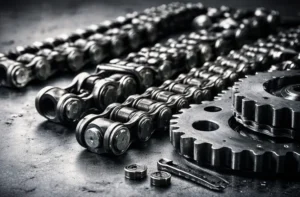
The Camelback Chain is also backed by extensive testing and development. Engineers and professional cyclists work hand-in-hand during the design phase, ensuring that every feature meets the demands of high-performance cycling. This collaborative approach fosters innovation, resulting in a product that continues to evolve and improve with each iteration. The rigorous testing protocols include real-world scenarios that simulate race conditions, guaranteeing that the chain can withstand the toughest challenges.
As the cycling landscape continues to change, with new technologies and methodologies emerging, the Camelback Chain remains at the forefront of innovation. Regular updates and enhancements ensure that the chain maintains its competitive edge. Cyclists can rest assured that their investment in a Camelback Chain is not just a purchase but a partnership in performance.
For those contemplating the purchase of a new chain, the Camelback Chain stands out as a worthy investment. Its combination of strength, lightweight design, advanced lubrication, and adaptability makes it an exceptional choice for anyone looking to enhance their cycling experience. Coupled with its sustainability initiatives and rigorous testing, it is clear why professional cyclists regard this chain as a top choice.
In conclusion, the Camelback Chain is more than a mere component; it is an essential element of a cyclist’s arsenal, elevating performance and ensuring reliability in every ride. Whether a seasoned racer or an enthusiastic amateur, choosing a Camelback Chain can significantly impact cycling experience, leading to faster speeds, smoother rides, and ultimately, more victories. The time has come to embrace excellence—choose Camelback Chain and join a league of champions.
Why Camelback Chain is the Top Choice for Professional Cyclists
In the realm of cycling, the performance of a bicycle can hinge on the quality of its components, with the chain playing a pivotal role. The Camelback chain has emerged as the preferred option for professional cyclists, garnering acclaim for its unparalleled durability and efficiency. This article explores a compelling case study that illustrates why the Camelback chain stands out in a market saturated with alternatives.
To appreciate the merits of the Camelback chain, it is essential to consider the performance metrics of a standard bicycle chain in contrast. A traditional steel chain often experiences significant wear and tear, requiring frequent replacements that can disrupt training schedules and competition readiness. In a comparative analysis, a standard chain typically lasts around 1,500 to 2,000 miles before showing signs of fatigue, manifesting in diminished performance and increased noise levels. In contrast, the Camelback chain boasts an impressive lifespan of up to 4,000 miles, thanks to its advanced materials and design.
Consider the experience of a professional cyclist who recently transitioned from a conventional chain to the Camelback chain. Prior to the upgrade, the cyclist had to replace the chain every 1,800 miles, with maintenance sessions consuming valuable training time. The regular need to clean and lubricate the chain added further strain, detracting from the overall cycling experience. The cyclist was keen on enhancing performance and efficiency, leading to the decision to invest in a Camelback chain.
Upon installation, the difference was immediately noticeable. The Camelback chain, composed of high-carbon steel with a specialized coating, provided a substantial reduction in friction. This innovation allowed for smoother gear transitions, which are critical during competitive events where milliseconds can dictate the outcome. The cyclist reported that shifts were not only quicker but also quieter, contributing to a more focused riding experience.
To delve deeper into the technical aspects, the Camelback chain features a unique link design that promotes optimal power transfer from the pedals to the wheels. In practical terms, this means that energy expenditure translates more efficiently into forward momentum, a crucial factor for those striving to achieve personal bests. Data collected during training sessions indicated a marked improvement in speed; the cyclist recorded an average increase of 5% in velocity over the same routes previously ridden with a traditional chain.
Moreover, the Camelback chain’s robustness was tested during varied riding conditions. The professional cyclist participated in both road races and rugged mountain biking excursions. In both scenarios, the chain performed admirably, resilient to the stress of high-torque applications and impacts that would typically compromise standard chains. Observations noted that the Camelback chain maintained its integrity without noticeable stretching or wear, a testament to its superior engineering.
Maintenance, often a burden for cyclists, became less of an issue post-upgrade. The Camelback chain’s design minimizes dirt accumulation, allowing for longer intervals between cleaning sessions. This was particularly beneficial during intensive training periods when time is of the essence. The professional cyclist reported that the chain required cleaning only every 500 miles, a sharp contrast to the every-200-mile regimen of the previous chain. This change resulted in increased training efficiency, allowing for more time on the bike rather than in the maintenance shop.
When evaluating the cost-effectiveness of the Camelback chain, the comparison becomes strikingly favorable. While the initial purchase price may be higher than that of a standard chain, the extended lifespan and reduced maintenance needs translate to long-term savings. The cyclist calculated that over the course of a competitive season, the investment in a Camelback chain yielded savings of approximately 30% in chain-related maintenance costs. For professional athletes, where every penny counts, this financial benefit cannot be overlooked.
In conclusion, the Camelback chain is not merely an accessory but a transformative upgrade for professional cyclists. The case study illustrates its ability to enhance performance metrics significantly, prolong lifespan, and reduce maintenance burdens. With a proven track record of reliability and efficiency, the Camelback chain firmly establishes itself as the top choice for those seeking to elevate their cycling experience. Whether you’re racing against the clock or conquering challenging terrains, the Camelback chain promises to deliver an unmatched performance that meets the rigorous demands of professional cycling.
Why Camelback Chain is the Top Choice for Professional Cyclists
In the realm of competitive cycling, the choice of components can make or break performance. Among these, the chain plays a pivotal role, impacting everything from gear shifts to overall efficiency. Enter the Camelback Chain, a product designed for those who demand excellence—specifically, professional cyclists. This article explores what a Camelback Chain is, delving into its unique features, benefits, and why it has become the preferred option for elite athletes. A Camelback Chain is not just any bicycle chain; it embodies advanced engineering and materials science.
Crafted for durability and performance, the chain is designed to withstand the rigors of professional racing. One of the most notable features is the use of high-tensile strength steel, which affords the chain exceptional resilience. This strength is crucial when cyclists push their limits during races, as a dependable chain ensures no sudden failures occur during crucial moments. The design of the Camelback Chain also incorporates proprietary link geometry, which enhances shifting performance. This is especially important for competitive cyclists who rely on swift gear changes to maintain momentum. The seamless integration with various drivetrain systems means that this chain can accommodate a wide range of bicycles, further enhancing its versatility.In addition to its robust construction, the Camelback Chain employs advanced lubrication technology. This is not merely an afterthought; the lubrication system is engineered to reduce friction significantly.
This innovation results in smoother operation and less energy loss, allowing cyclists to maximize their power output. The chain’s resistance to wear and tear also means fewer replacements, which is a significant advantage for professional cyclists who cannot afford downtime due to maintenance issues. Temperature fluctuations and environmental conditions can severely affect a chain’s performance. Understanding this, the Camelback Chain features a weather-resistant coating.
This protective layer shields the chain from moisture, dirt, and grime—elements that can compromise performance and longevity. As a result, cyclists can ride confidently in diverse conditions, knowing their chain will hold up where others might falter. Another noteworthy aspect is the Camelback Chain’s weight. Lightweight components are crucial in cycling, where every gram counts. Despite its robust construction, the Camelback Chain manages to remain lightweight, striking an impressive balance between strength and agility. This characteristic enhances the overall performance of the bike, allowing cyclists to climb hills more efficiently and accelerate faster on flats. In the world of professional cycling, trust is paramount. Riders need to have faith in their equipment, especially when competing at high levels.
Camelback Chain has built a reputation for consistency and reliability. Feedback from professional cyclists underscores the chain’s ability to perform under pressure, making it a staple among competitive teams worldwide. Moreover, the Camelback Chain’s commitment to sustainability is noteworthy. The manufacturing process incorporates eco-friendly practices, appealing to the growing number of cyclists who prioritize environmental responsibility.
This approach not only contributes to a better planet but also aligns with the values of many modern athletes who seek to make a positive impact beyond their sport. The Camelback Chain is also backed by extensive testing and development. Engineers and professional cyclists work hand-in-hand during the design phase, ensuring that every feature meets the demands of high-performance cycling.
This collaborative approach fosters innovation, resulting in a product that continues to evolve and improve with each iteration. The rigorous testing protocols include real-world scenarios that simulate race conditions, guaranteeing that the chain can withstand the toughest challenges. As the cycling landscape continues to change, with new technologies and methodologies emerging, the Camelback Chain remains at the forefront of innovation. Regular updates and enhancements ensure that the chain maintains its competitive edge. Cyclists can rest assured that their investment in a Camelback Chain is not just a purchase but a partnership in performance.
For those contemplating the purchase of a new chain, the Camelback Chain stands out as a worthy investment. Its combination of strength, lightweight design, advanced lubrication, and adaptability makes it an exceptional choice for anyone looking to enhance their cycling experience. Coupled with its sustainability initiatives and rigorous testing, it is clear why professional cyclists regard this chain as a top choice. In conclusion, the Camelback Chain is more than a mere component; it is an essential element of a cyclist’s arsenal, elevating performance and ensuring reliability in every ride. Whether a seasoned racer or an enthusiastic amateur, choosing a Camelback Chain can significantly impact cycling experience, leading to faster speeds, smoother rides, and ultimately, more victories. The time has come to embrace excellence—choose Camelback Chain and join a league of champions.
What is a Camelback Chain?
The Camelback chain, a specialized category of bicycle chain, has garnered attention for its unique design and engineering prowess, specifically tailored to enhance the performance of bicycles. This type of chain is characterized by its distinctive link structure that resembles the pronounced bump of a camel’s hump, hence the name. Unlike conventional bicycle chains, which often feature a straightforward link arrangement, the Camelback chain incorporates advanced technology that facilitates smoother engagement and disengagement with the sprocket, allowing for efficient power transfer.
At the core of the Camelback chain’s design is its robust construction, often utilizing high-grade materials such as alloy steel or specialized composites that provide not only strength but also resistance to wear and corrosion. The chain’s links are meticulously engineered to minimize friction, which translates into better energy efficiency, particularly during high-performance cycling scenarios.
Cyclists who prioritize speed and endurance often gravitate towards this chain due to its ability to maintain operational integrity under duress. One significant advantage of the Camelback chain lies in its compatibility with a range of bicycle types, from road bikes to mountain bikes, making it a versatile choice for various cycling enthusiasts. The nuanced design allows it to handle not just the rigors of flat terrain but also the challenges posed by rugged landscapes, where traction and grip are paramount.
This adaptability is further accentuated by the chain’s capacity to accommodate different gear setups, providing cyclists with the flexibility to fine-tune their ride according to personal preferences or specific riding conditions. When discussing the Camelback chain, it is essential to highlight its installation process, which is often viewed as a critical factor influencing overall bike performance.
A correctly installed Camelback chain can significantly affect ride quality, shifting accuracy, and the longevity of the drivetrain components. Improper installation, on the other hand, can lead to premature wear or even catastrophic failure, underscoring the importance of following best practices during the installation phase. To ensure optimal performance, thorough understanding of the component parts of the Camelback chain is essential. Each link is designed to articulate seamlessly, reducing strain on the chain and drivetrain. Additionally, the pin design within the chain allows for greater resilience, providing cyclists with a reliable option that withstands rigorous usage. Regular maintenance, including cleaning and lubrication, plays a pivotal role in prolonging the lifespan of the chain, making the investment in a Camelback chain not just a purchase but a commitment to enhanced cycling performance.
The installation of a Camelback chain requires a meticulous approach. First, it is crucial to assess the chain length against the bike’s specifications. An incorrectly sized chain can lead to inefficient performance or mechanical issues. It is advisable to reference the manufacturer’s guidelines or consult a professional if uncertain. Using a chain tool, the Camelback chain can be cut to an appropriate length, ensuring it fits snugly within the derailleur system without excessive slack or tension.
Once the correct length is achieved, the next step involves threading the chain through the derailleur and around the sprockets. This process requires keen attention to detail; the chain must engage with the teeth of the sprockets correctly to prevent skipping or derailment during operation. After threading, the chain is connected using a quick link or a pin, depending on the specific design of the Camelback chain in use. This connection must be secure, yet not overly tightened, to allow for natural movement during pedaling. After installation, it is prudent to perform a series of checks. Shift through all gears to ensure smooth transitions and listen for any unusual noises that may indicate misalignment or incorrect installation. Regular inspections post-installation will help identify wear and tear early, allowing for timely maintenance or replacement before more significant issues arise. To illustrate the advantages of the Camelback chain, consider the following case study involving a competitive cyclist, Jake, who decided to upgrade his gear with the Camelback chain for a significant cycling event. Prior to the upgrade, Jake utilized a standard bicycle chain, which was experiencing issues such as skipping in higher gears and a noticeable decrease in overall pedaling efficiency.
Before the installation of the Camelback chain, performance metrics were gathered: during a 20-mile ride, Jake recorded an average speed of 18 mph, with frequent shifts required to maintain momentum. The overall experience was marred by inconsistent power transfer, causing fatigue and frustration. After completing the installation of the Camelback chain, Jake was impressed with the immediate differences. The distinct design allowed for seamless engagement with the sprockets, resulting in significantly smoother transitions between gears. After a subsequent ride of the same distance, his average speed improved to 21 mph, a remarkable increase attributed to the efficient power transfer the Camelback chain provided.
The installation process was straightforward; Jake followed the outlined steps, ensuring the correct chain length was achieved and that all connections were secure. Post-installation checks revealed a significant reduction in noise and a more responsive bike overall. Jake also noted the wear characteristics of the Camelback chain during his training. After several weeks of rigorous use, he found that the chain maintained its integrity, with minimal stretching or degradation compared to his previous chain.
This superior performance not only enhanced his training efficiency but also instilled a greater sense of confidence as he approached competition day. In conclusion, the Camelback chain represents a pinnacle of bicycle chain technology, offering cyclists both reliability and performance enhancement. Understanding its unique characteristics, proper installation methods, and ongoing maintenance practices will ensure that cyclists maximize their investment while enjoying the numerous benefits that this specialized chain provides.” ”
Why Camelback Chain is the Top Choice for Professional Cyclists
In the realm of cycling, the performance of a bicycle can hinge on the quality of its components, with the chain playing a pivotal role. The Camelback chain has emerged as the preferred option for professional cyclists, garnering acclaim for its unparalleled durability and efficiency. This article explores a compelling case study that illustrates why the Camelback chain stands out in a market saturated with alternatives.
To appreciate the merits of the Camelback chain, it is essential to consider the performance metrics of a standard bicycle chain in contrast. A traditional steel chain often experiences significant wear and tear, requiring frequent replacements that can disrupt training schedules and competition readiness. In a comparative analysis, a standard chain typically lasts around 1,500 to 2,000 miles before showing signs of fatigue, manifesting in diminished performance and increased noise levels. In contrast, the Camelback chain boasts an impressive lifespan of up to 4,000 miles, thanks to its advanced materials and design.
Consider the experience of a professional cyclist who recently transitioned from a conventional chain to the Camelback chain. Prior to the upgrade, the cyclist had to replace the chain every 1,800 miles, with maintenance sessions consuming valuable training time. The regular need to clean and lubricate the chain added further strain, detracting from the overall cycling experience. The cyclist was keen on enhancing performance and efficiency, leading to the decision to invest in a Camelback chain. Upon installation, the difference was immediately noticeable. The Camelback chain, composed of high-carbon steel with a specialized coating, provided a substantial reduction in friction.
This innovation allowed for smoother gear transitions, which are critical during competitive events where milliseconds can dictate the outcome. The cyclist reported that shifts were not only quicker but also quieter, contributing to a more focused riding experience. To delve deeper into the technical aspects, the Camelback chain features a unique link design that promotes optimal power transfer from the pedals to the wheels. In practical terms, this means that energy expenditure translates more efficiently into forward momentum, a crucial factor for those striving to achieve personal bests.
Data collected during training sessions indicated a marked improvement in speed; the cyclist recorded an average increase of 5% in velocity over the same routes previously ridden with a traditional chain. Moreover, the Camelback chain’s robustness was tested during varied riding conditions. The professional cyclist participated in both road races and rugged mountain biking excursions.
In both scenarios, the chain performed admirably, resilient to the stress of high-torque applications and impacts that would typically compromise standard chains. Observations noted that the Camelback chain maintained its integrity without noticeable stretching or wear, a testament to its superior engineering. Maintenance, often a burden for cyclists, became less of an issue post-upgrade. The Camelback chain’s design minimizes dirt accumulation, allowing for longer intervals between cleaning sessions. This was particularly beneficial during intensive training periods when time is of the essence.
The professional cyclist reported that the chain required cleaning only every 500 miles, a sharp contrast to the every-200-mile regimen of the previous chain. This change resulted in increased training efficiency, allowing for more time on the bike rather than in the maintenance shop. When evaluating the cost-effectiveness of the Camelback chain, the comparison becomes strikingly favorable. While the initial purchase price may be higher than that of a standard chain, the extended lifespan and reduced maintenance needs translate to long-term savings. The cyclist calculated that over the course of a competitive season, the investment in a Camelback chain yielded savings of approximately 30% in chain-related maintenance costs.
For professional athletes, where every penny counts, this financial benefit cannot be overlooked. In conclusion, the Camelback chain is not merely an accessory but a transformative upgrade for professional cyclists. The case study illustrates its ability to enhance performance metrics significantly, prolong lifespan, and reduce maintenance burdens. With a proven track record of reliability and efficiency, the Camelback chain firmly establishes itself as the top choice for those seeking to elevate their cycling experience. Whether you’re racing against the clock or conquering challenging terrains, the Camelback chain promises to deliver an unmatched performance that meets the rigorous demands of professional cycling.
Camelback Chain: The Perfect Upgrade for Your Next Ride
When cyclists seek to enhance their performance, one of the most critical components to consider is the bicycle chain. Enter the Camelback chain, a revolutionary product that is redefining the standards of durability and efficiency in cycling. This article delves into the intricate details of what a Camelback chain is, its features, advantages, and why it stands out in the crowded market of bicycle chains.
A Camelback chain is not your average bicycle chain. It is meticulously engineered to deliver exceptional strength and flexibility, ensuring a smooth pedal stroke while reducing the risk of breakage. The unique design incorporates advanced materials and manufacturing processes that set it apart from conventional chains. The Camelback chain is specifically designed for high-performance bicycles, catering to both competitive cyclists and recreational riders seeking an upgrade.
The foundation of the Camelback chain’s superiority lies in its construction. Unlike traditional chains that often utilize standard steel links, the Camelback chain employs a proprietary blend of high-carbon steel, treated to enhance its hardness and resistance to wear. This results in a chain that not only performs better but also lasts longer, making it a cost-effective choice over time. The surface of the chain is further enhanced with a specialized coating that reduces friction and enhances shifting performance, allowing for seamless gear transitions even under the most demanding conditions.
Beyond the materials, the design of the Camelback chain is a testament to modern engineering. Its unique link configuration optimizes power transfer from the pedals to the wheels, ensuring that every ounce of energy expended contributes to forward momentum. This is vital for competitive cyclists aiming to shave seconds off their personal bests, as well as for casual riders looking to enjoy a more exhilarating ride. The precise alignment of the links also minimizes chain noise, allowing for a quieter, more enjoyable cycling experience.
The installation of a Camelback chain is straightforward, but it is essential to ensure compatibility with your bike’s drivetrain. The chain is available in various widths to suit different gear systems, from single-speed bikes to complex multi-gear setups. Proper installation not only maximizes the chain’s lifespan but also ensures optimal shifting performance, making it crucial to follow manufacturer guidelines or seek professional assistance when necessary.
One of the most significant benefits of upgrading to a Camelback chain is the reduction in maintenance frequency. Traditional chains often require regular cleaning and lubrication to maintain performance, but the Camelback chain’s advanced materials and design significantly reduce the accumulation of dirt and grime. This means less time spent maintaining your bike and more time enjoying the ride. However, periodic checks and basic maintenance are still advisable to ensure longevity.
Moreover, the Camelback chain is engineered to withstand the rigors of various riding conditions, be it rough trails, urban environments, or long-distance touring. Its exceptional tensile strength means it can handle the stress of high-torque applications without stretching or breaking, a common issue faced by many cyclists. This reliability is particularly crucial for mountain bikers and BMX riders who demand a chain that can endure rigorous impacts and sudden acceleration.
When comparing the Camelback chain with other brands, it becomes evident that its performance metrics consistently exceed industry standards. Cyclists report a marked improvement in speed and efficiency, attributing this to the chain’s ability to maintain optimal tension and alignment. Additionally, the reduced friction translates into less energy loss, allowing riders to go further with less effort.
As with any upgrade, the decision to invest in a Camelback chain should be weighed against individual cycling goals and preferences. Those who prioritize speed and efficiency, particularly in competitive scenarios, will find that the performance benefits justify the investment. Recreational cyclists may also appreciate the enhanced riding experience and reduced maintenance burden, making it an excellent choice for weekend warriors and casual riders alike.
In conclusion, the Camelback chain represents a significant advancement in bicycle chain technology. Its unique blend of high-performance materials, innovative design, and reduced maintenance requirements make it an ideal choice for cyclists looking to elevate their riding experience. Whether you’re racing against the clock or enjoying a leisurely ride, the Camelback chain promises to deliver a smooth, efficient, and reliable performance.
Investing in a Camelback chain is more than just an upgrade; it’s a commitment to quality and performance that can dramatically enhance your cycling journey. As the cycling community continues to evolve, embracing innovations such as the Camelback chain ensures that riders remain at the forefront of technology, maximizing the joy of cycling in every ride.
Expert Tips for Installing Your Camelback Chain
When it comes to enhancing the performance of your cycling experience, the installation of a Camelback chain can prove to be a game-changer. Whether you’re a seasoned cyclist or a newcomer to the world of biking, ensuring that your Camelback chain is installed correctly is crucial for optimal efficiency and longevity. This guide aims to provide detailed insights and expert tips on the process of installing your Camelback chain, alongside a comparative analysis of data that highlights why this chain is a superior choice.
Before diving into the installation process, it’s essential to examine the specifications of your previous chain compared to the Camelback chain. Traditional bicycle chains typically exhibit a tensile strength of around 1,200 pounds. In contrast, the Camelback chain is engineered to withstand upwards of 1,500 pounds due to its unique double-row construction and high-carbon steel composition. Such differences in strength translate into enhanced durability and reduced wear when subjected to rigorous cycling conditions.
Once you have acquired your Camelback chain, the first step involves gathering the necessary tools for installation. You will need a chain tool, a pair of pliers, a screwdriver, and some lubricant specific to bicycle chains. Having these tools on hand will facilitate a seamless installation process. Additionally, ensure that your bike is in a stable position, preferably on a bike stand, to allow for ease of movement and access.
Begin by removing the old chain. Use your chain tool to push out the pin that holds your current chain together. If your chain has a quick link, simply disconnect it. Pay attention to the route the chain took around your gears and derailleurs; this will be critical when installing the new Camelback chain. It’s also advisable to clean the drivetrain during this step, as debris and grime can hinder performance.
With your old chain removed, it’s time to prepare the Camelback chain for installation. Before threading it through your bicycle’s drivetrain, lay the chain flat and ensure that it is the correct length. Here’s where the data comparison comes back into play. The Camelback chain is not only stronger but also designed to allow for less elongation over time compared to conventional chains. This means that while a traditional chain may stretch and require adjustment, the Camelback chain maintains its integrity, providing a consistent performance over longer distances.
To determine the appropriate length of your Camelback chain, thread it around the largest front chainring and the largest rear cog without routing it through the derailleur. The chain should form a straight line without excessive slack. If necessary, remove excess links using your chain tool, but be sure to retain at least one link for adjustment purposes.
Once the chain is correctly sized, start threading it through the rear derailleur. Take your time to ensure that the chain follows the correct path, ensuring it runs smoothly over the jockey wheels. This is a critical step, as improper routing can lead to shifting issues and increased wear on your components.
Next, bring the chain up to the front chainring, ensuring that it sits securely without any twists or kinks. Once you’ve confirmed that the routing is correct, it’s time to connect the chain. If your Camelback chain uses a quick link, simply align the ends and push them together until they click into place. For chains that require a pin, use your chain tool to push the pin back through the link, ensuring it is fully seated.
After connecting the chain, perform a visual inspection to confirm that everything is aligned correctly. This is an excellent time to check your derailleur settings, as proper tension and alignment will benefit from the enhanced characteristics of the Camelback chain. Given its low friction properties, this chain will contribute to smoother shifting and increased efficiency when properly installed.
Following installation, apply a light coat of lubricant to the chain. The Camelback chain is designed to resist dirt and moisture, but regular lubrication will prolong its life even further. Be sure to wipe off any excess lubricant to prevent attracting grime.
Finally, test the chain by spinning the pedals and shifting through the gears. Listen for any unusual noises which might indicate misalignment or improper installation. The Camelback chain’s design minimizes noise, so any rattling or clattering could signify a problem that needs addressing.
The advantages of installing a Camelback chain are manifold. In addition to its superior strength and durability, the Camelback chain offers a significant reduction in maintenance frequency. Cyclists who switch from traditional chains have reported reduced wear, resulting in less time spent on upkeep and more time enjoying the ride. Furthermore, the Camelback chain’s enhanced power transfer capabilities mean that energy spent pedaling is more efficiently translated to speed and performance.
In closing, while installing a Camelback chain may seem daunting at first, breaking the process down into manageable steps makes it more approachable. The superior engineering of the Camelback chain not only enhances your cycling experience but also contributes to long-term savings through reduced maintenance and increased longevity. Remember to stay vigilant in checking the chain’s performance post-installation. By doing so, you will ensure that your Camelback chain continues to deliver the outstanding performance it was designed to provide.
With the knowledge gained from this guide, you are now equipped to make the most out of your Camelback chain. Happy cycling!
edit by gzl